
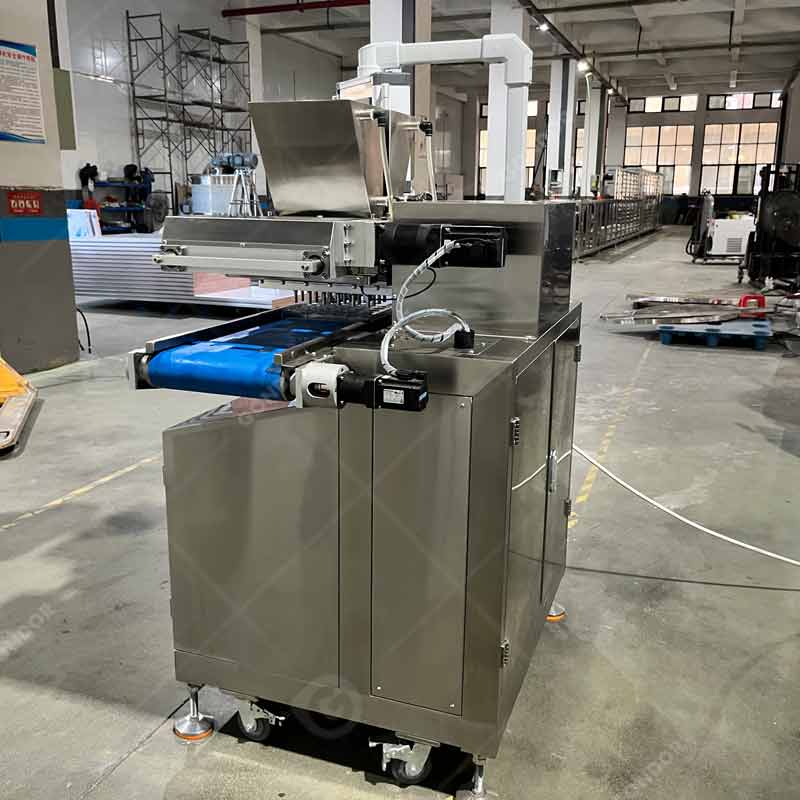
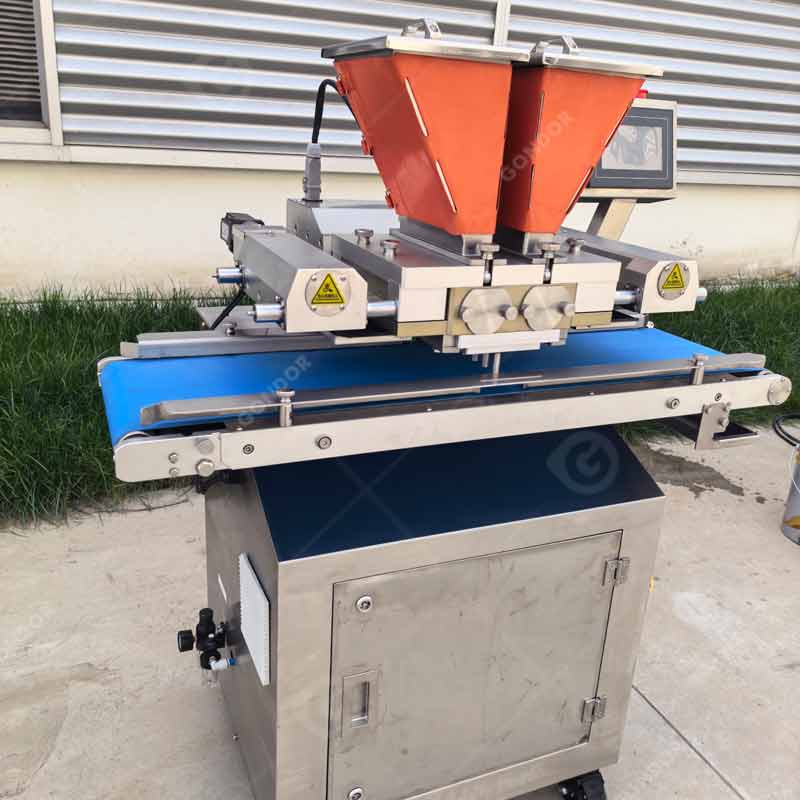
One Shot Chocolate Machine: Perfect Truffles in One Pour
Walk into a small chocolate workshop around 8 a.m., and you’ll usually see the same scene: trays of half-set shells, a piping bag, and someone leaning over each mold to drop the filling by hand. It works. It’s also slow, and the centers never quite land in the same spot twice. A one shot chocolate machine folds that whole dance into a single, clean motion. Whether you run a craft shop in Lisbon or a dessert lab in Jakarta, the math is the same – skilled hands are hard to scale, and consistency is what buyers notice first.
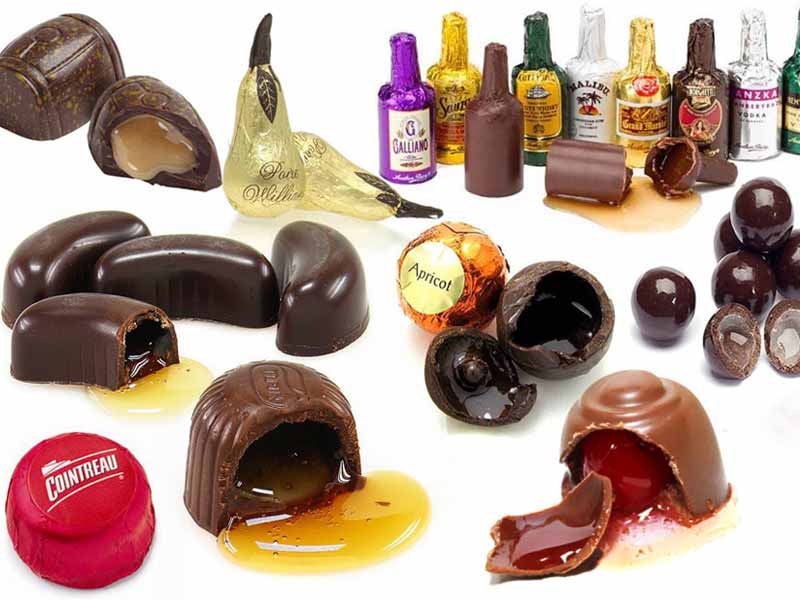
What it is, in plain words
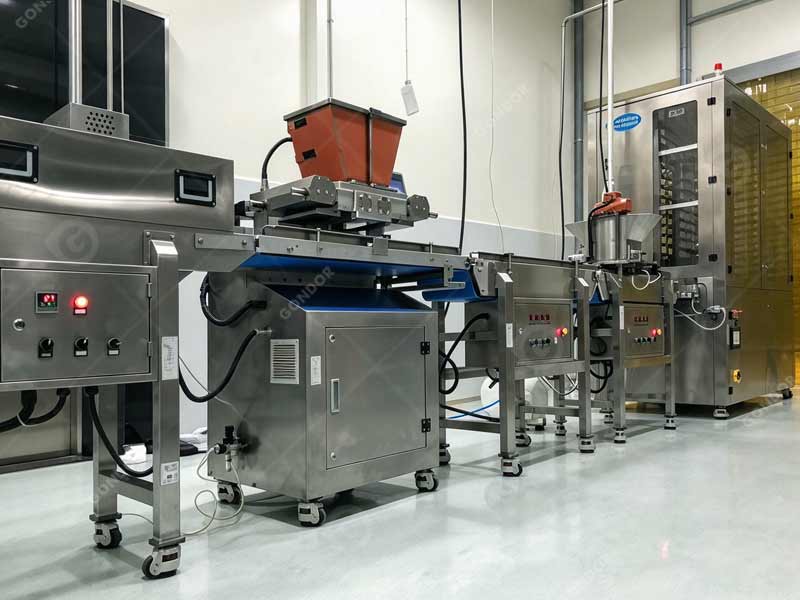
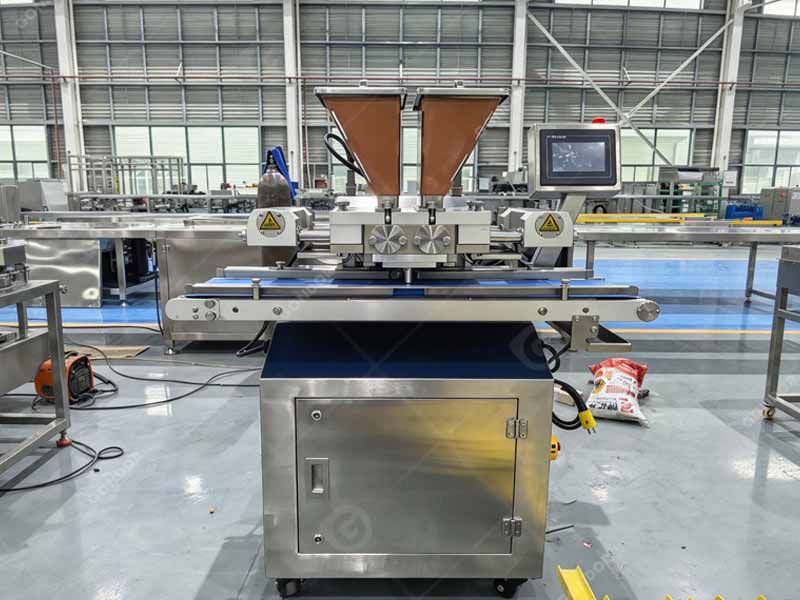
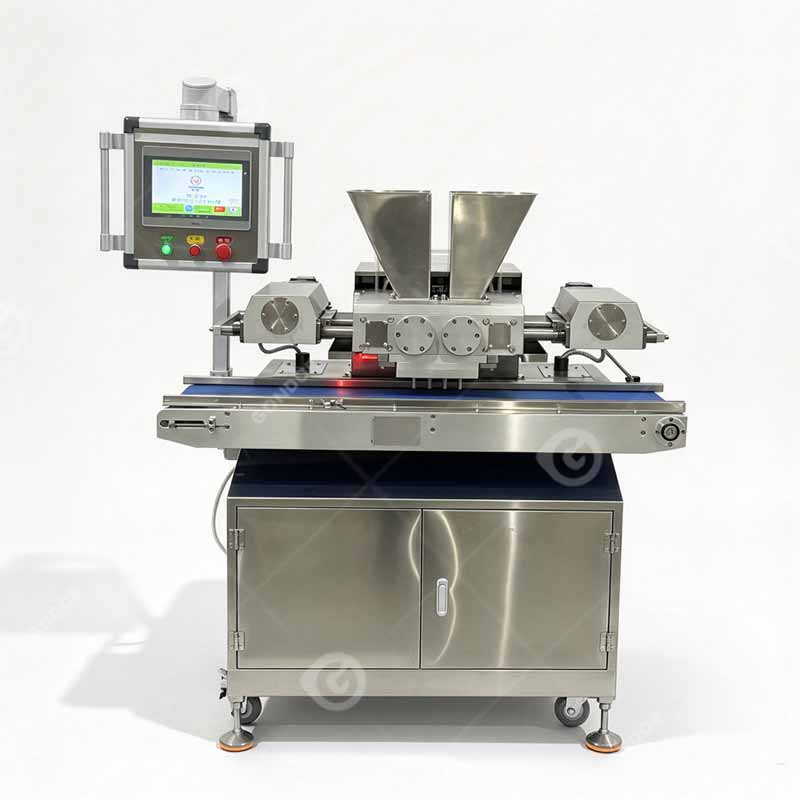
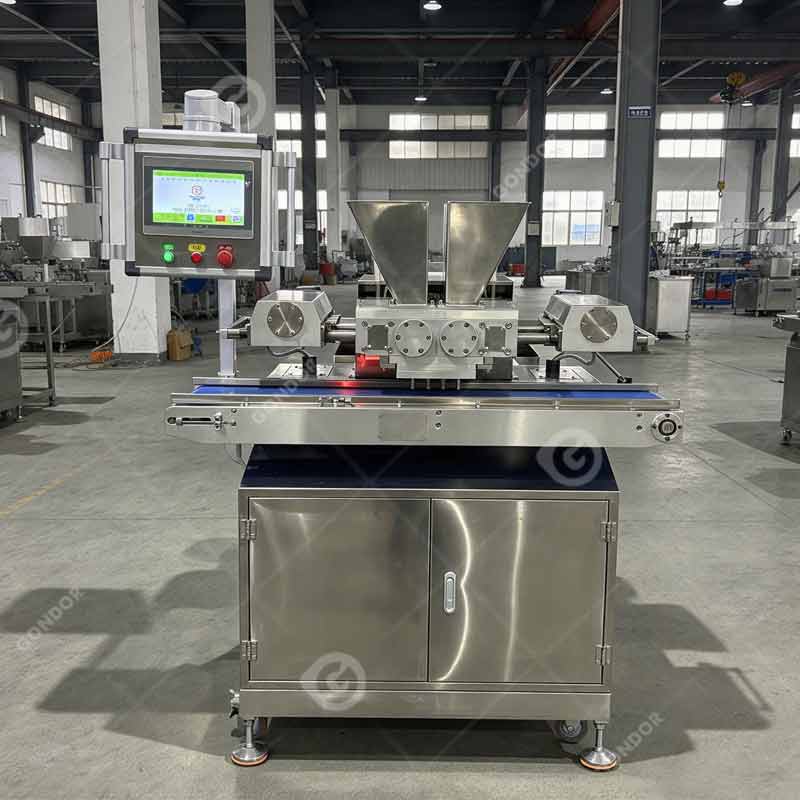
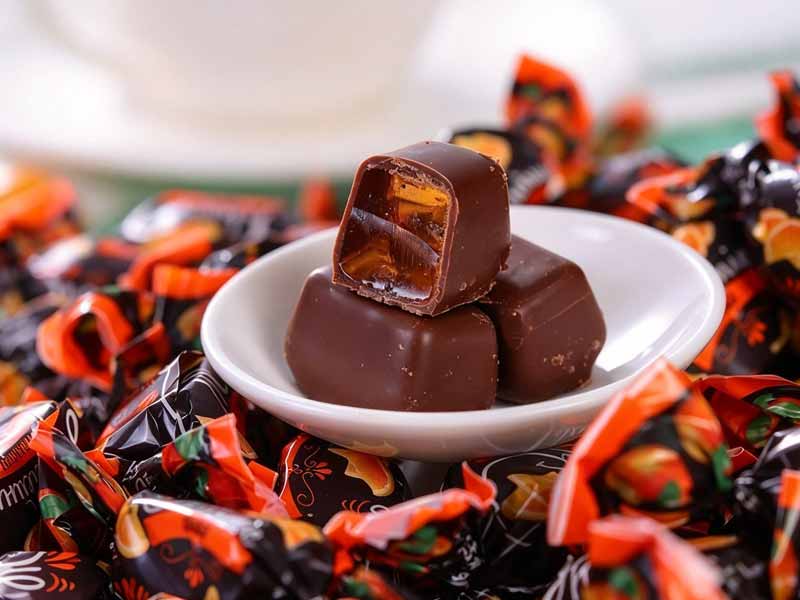
At its heart, a one shot chocolate depositor is a compact unit built for filled chocolates. The old method runs a relay – form a shell, cool it, pipe in the center, cool again, then cap the base. This machine lays down shell, filling, and cap in one pass. The piece drops out of the mold already finished. No second pour, no seam where the lid meets the wall.
The trick sits inside the nozzle. It isn’t one hole but two, nested together. The outer channel carries your tempered chocolate. The inner one carries the filling – ganache, caramel, nut paste, even a liquid liqueur center. In each cycle the piston system fires a tight sequence: chocolate first to line the cavity, filling straight into the middle, then chocolate again to seal the base. A few tenths of a second later you have a shell-center-shell piece that’s already complete. The two streams never blend, because they travel in separate passages right up to the tip.
Why the filling doesn’t leak into the chocolate
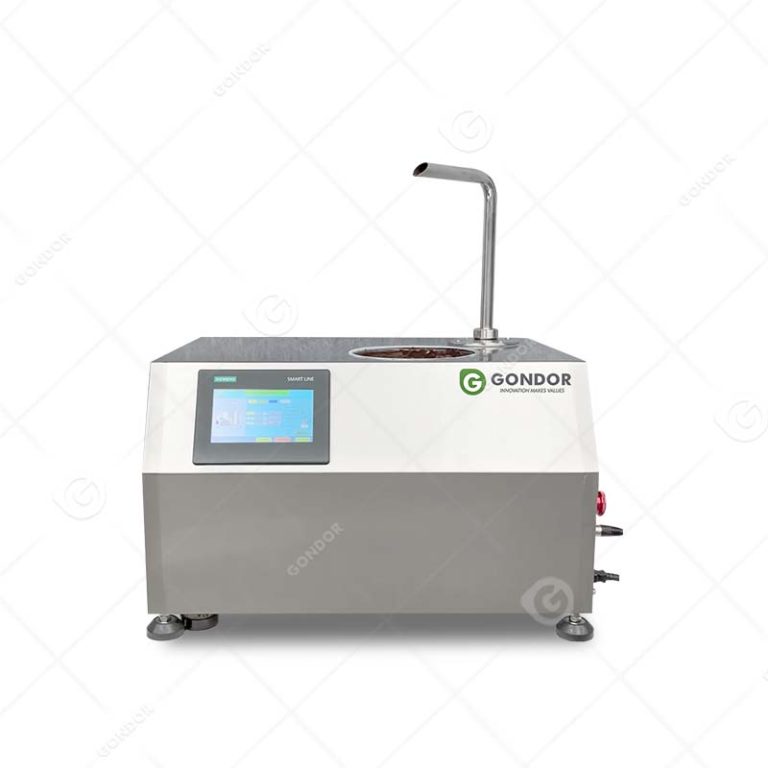
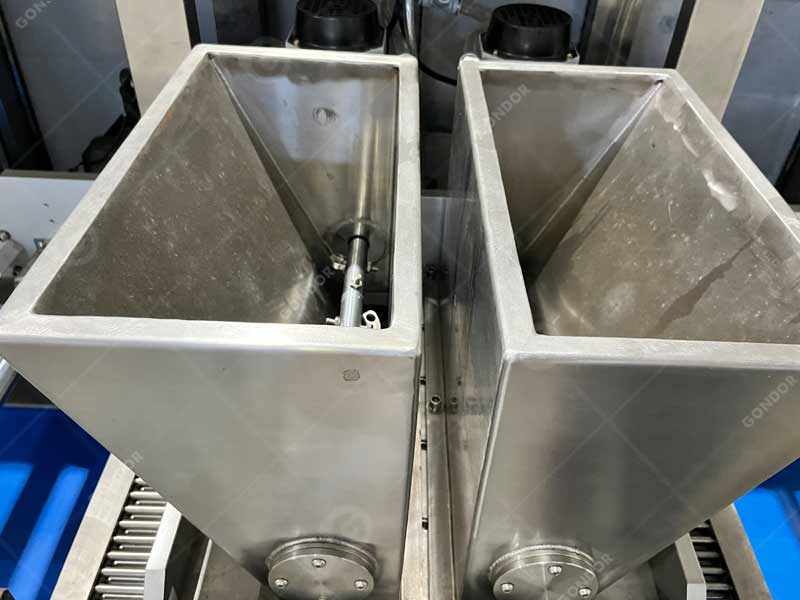
People ask this first, and the answer is simple: geometry and flow rate. The chocolate’s viscosity is high enough to hold its shape around the center as both exit together. That’s co-extrusion – the reason one stroke replaces a whole line. Let the mass cool a few degrees and the flow stalls; run it hot and the cap goes thin. The heated hoppers exist to hold that narrow band steady, hour after hour, which is exactly where hand work starts to drift.
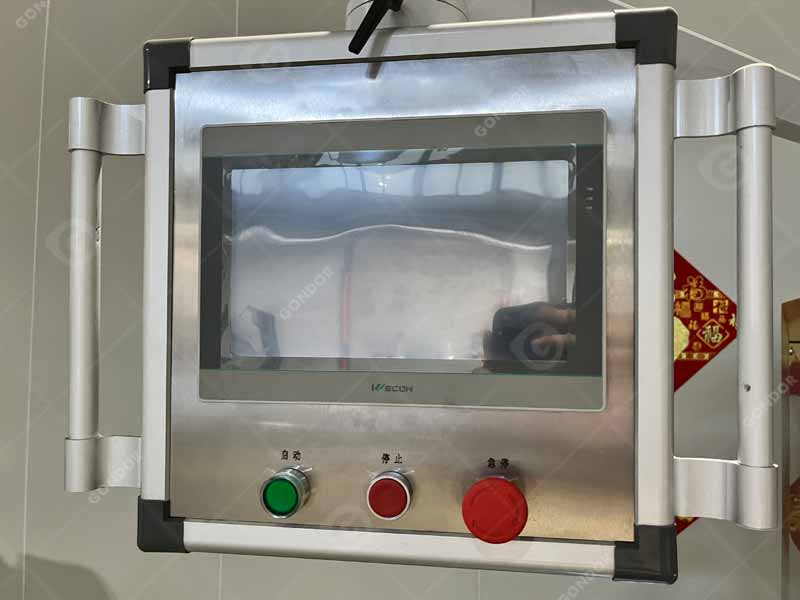
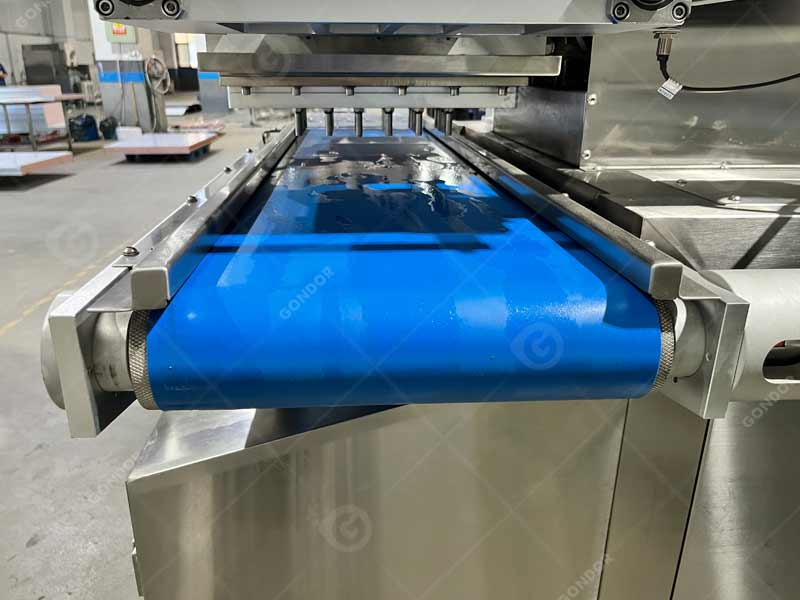
Where a one shot depositor chocolate machine earns its place
More spots than people expect.
- Boutique Chocolate Shops – The obvious fit. Small daily runs, many flavors, no room for a factory floor.
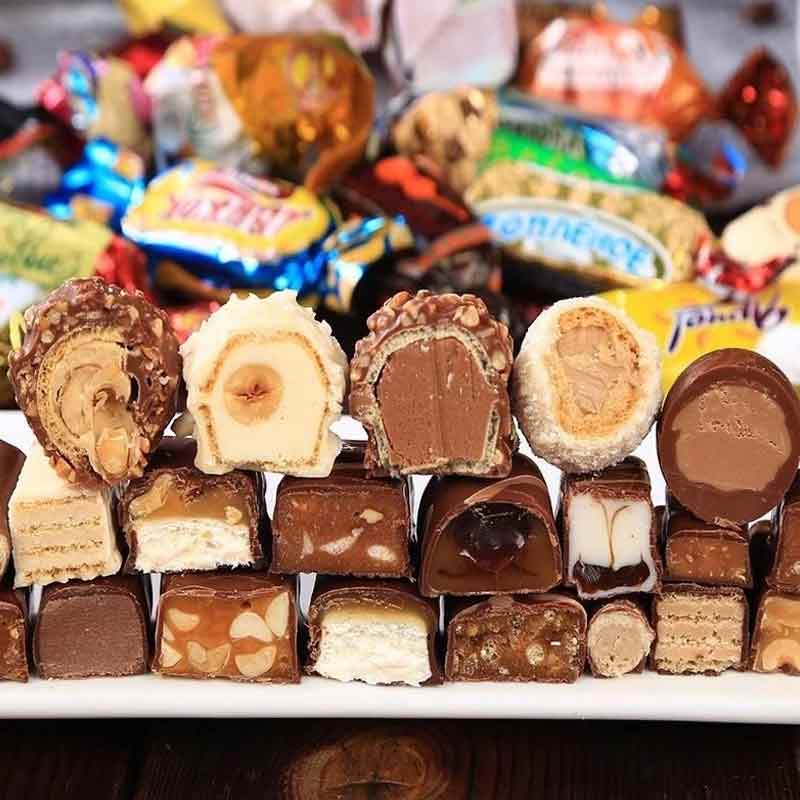
- Confectionery Factories – The core user. One machine runs shell, center, and cap for pralines, truffles, and bars at a steady, sellable volume.
- Bakery and Dessert Studios – Own-brand truffles and decorations for cakes.
- Hotels and Fine-Dining Kitchens – Custom petits fours to close a tasting menu.
- R&D Labs – Because you can set dose, temperature, and speed and actually record the data.
- Private Online Dessert Brands – Low entry cost, fast start, easy to switch flavors.
Anywhere you want filled chocolates without building a full enrobing line, this sits in the sweet spot. It also handles plain bars, two-tone pieces, and crisped-rice mixes alongside the filled work.
Why makers choose it
Shell, center, and cap happen at the same station, so a multi-machine workflow shrinks to a single bench.
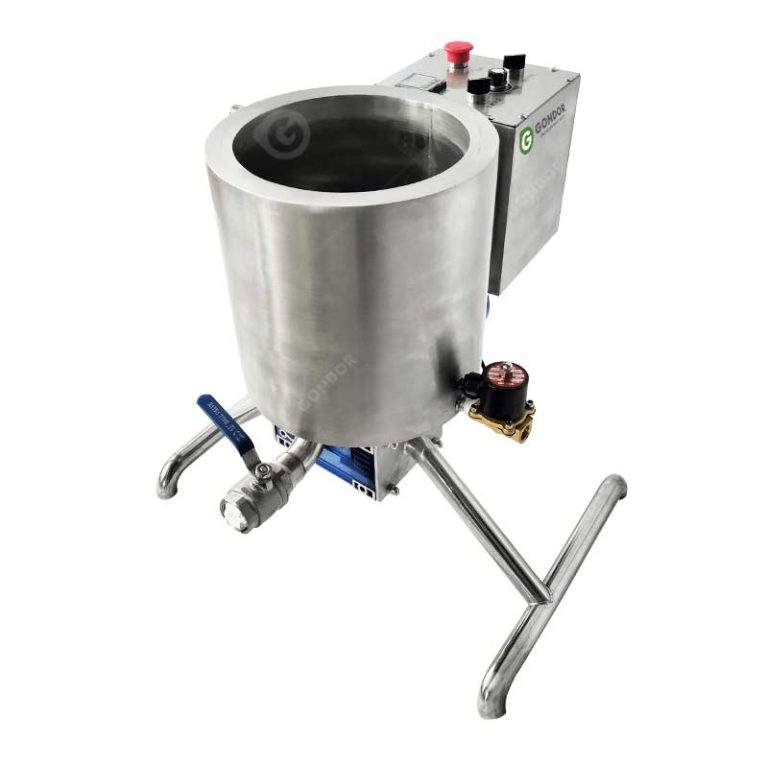
Mini units run on single-phase 220V and sit on a counter. No rewiring the building.
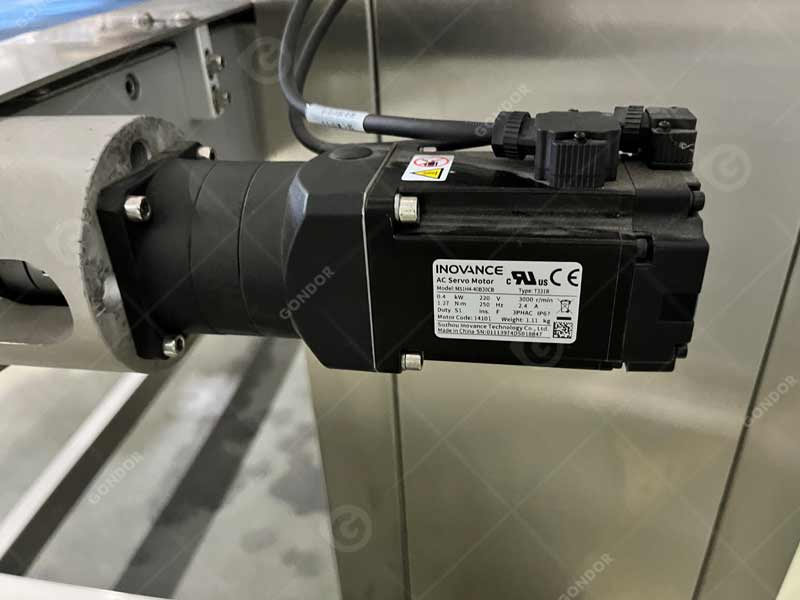
Servo pistons hold to about ±0.1 g. Every piece weighs the same – and that matters the moment you sell by the box.
Heated hoppers keep the mass in its working window, so you’re not fighting bloom or a grainy surface.
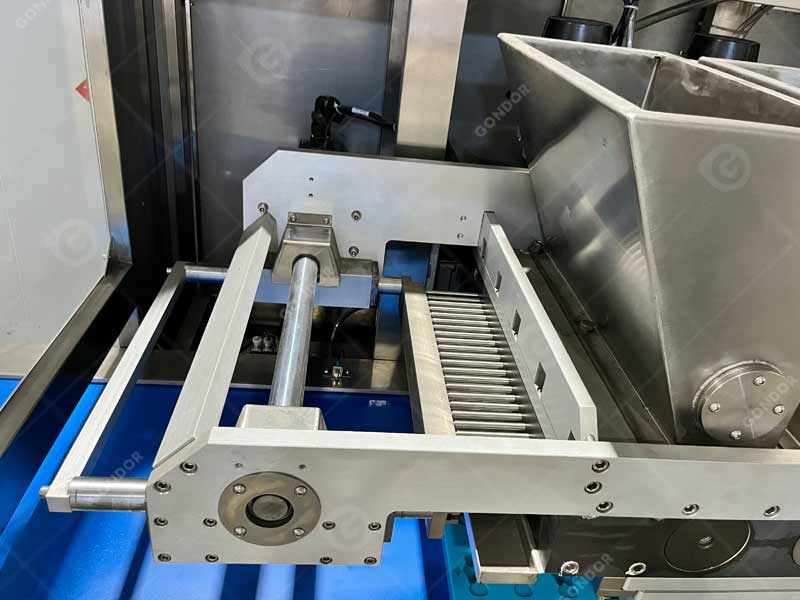
Everything touching product is 304 stainless and food-grade silicone. Quick-disconnect parts turn cleanup into a ten-minute job.
A regular worker is comfortable after one morning. Recipes save on screen and load with a tap.
Old way vs. one shot
| Model | Traditional 3-step | One shot depositor |
| Steps | 3+ with cooling between | 1 |
| Center placement | By hand, varies | Centered every time |
| Labor | High | One operator |
| Output (mini) | Limited | ~30-80 kg/hr |
Questions we hear from makers
Forums repeat the same few, so here are straight answers.
A few honest notes
No machine is magic, and this one rewards discipline. Tempering has to be right – nothing downstream saves a bad temper. Keep the room near 20-25°C. Clean hoppers and nozzles before the chocolate sets: hot water and a neutral cleaner, never a wire brush on the steel. Planning 24-hour runs? Sort out a cooling tunnel and steady hopper feeding before you start.