

Understanding Chocolate Processing: Is Chocolate a Processed or Ultra-Processed Food? Understanding Chocolate Processing: Is Chocolate a Processed or Ultra-Processed Food?

Understanding Chocolate Processing: Is Chocolate a Processed or Ultra-Processed Food?

Date:2025-9-12 Author:Yolanda

Chocolate Processing: From Bean to Bar

Chocolate has long been one of the world’s most beloved treats — a symbol of celebration, comfort, and indulgence. But as global consumers become increasingly aware of how foods are made, one common question arises: Is chocolate a processed food? To answer this, it’s essential to understand the journey from cocoa bean to chocolate bar — a complex process that combines traditional craftsmanship and advanced machinery.

Is sugar-free chocolate ultra processed? Artificial sweeteners and processing
Is chocolate a processed food? Differences between dark, milk, white chocolate

From Bean to Liquor: The Foundation of Flavor​​

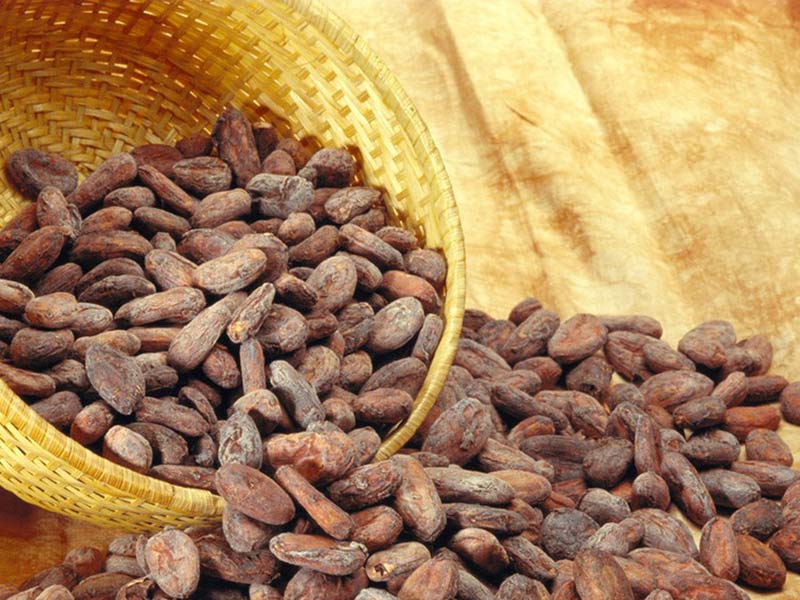
The journey of chocolate begins long before the smooth bar we know. It starts with raw cocoa beans undergoing critical preparatory steps:

Fermentation & DryingRoasting & WinnowingGrinding & Pressing
Naturally occurring yeasts and bacteria develop the essential flavor precursors. The beans are then sun-dried to preserve them for the next stage.
Roasting unlocks the characteristic chocolate aroma, while winnowing cracks and separates the brittle shells from the edible cocoa nibs.
The nibs are ground into a rich, non-alcoholic cocoa liquor.
This liquor can then be pressed to separate its two key components:
  • ​​Cocoa Butter: The natural fat, used later.
  • ​​Cocoa Press Cake: The solid remains, which are ground into cocoa powder.
​​Crafting the Final Product: Refinement and Structure​​

Transforming the foundational cocoa liquor into finished chocolate is a precise science focused on texture and stability.

Mixing & Refining
Ingredients like sugar, milk powder, and extra cocoa butter are blended with the cocoa liquor. This mixture is then refined until it achieves an exceptionally smooth texture.
Conching
A crucial mechanical kneading process that aerates and heats the chocolate. This develops complex flavors and ensures a velvety-smooth mouthfeel.
Tempering
The chocolate is carefully cooled and reheated to stabilize its cocoa butter crystals. This vital step gives high-quality chocolate its characteristic glossy shine and satisfying snap.
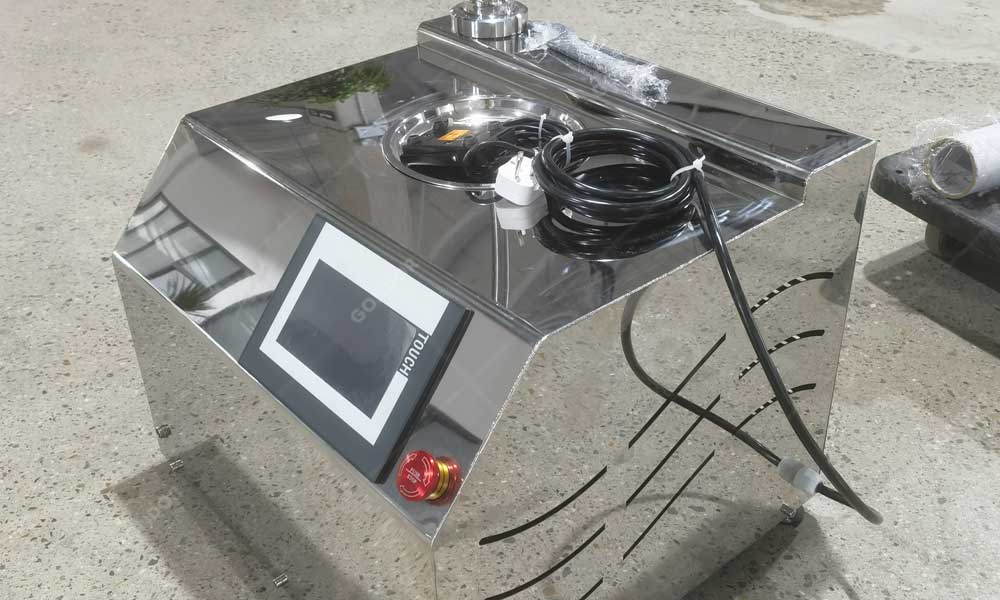
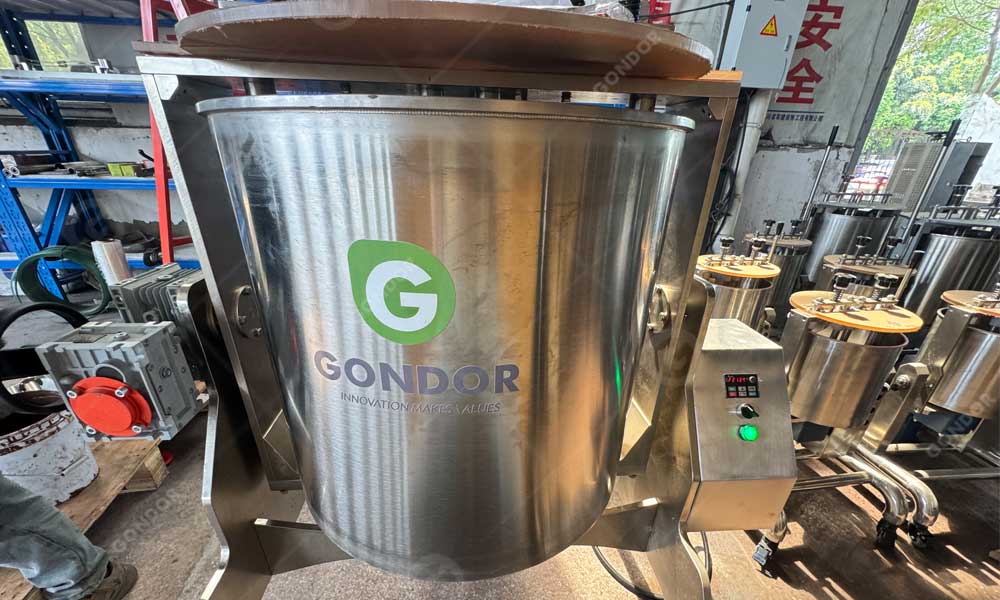
This entire multi-stage process relies on specialized industrial equipment—like ball mills, conches, and tempering machines—to guarantee the consistent quality, efficiency, and scalability expected in modern production.
Steps in chocolate processing from cocoa beans to finished product
Chocolate processing stages: roasting, grinding, conching, tempering

Is Chocolate a Processed Food?

Yes, chocolate is considered a processed food, but that’s not necessarily a bad thing. The term “processed food” simply refers to foods that have been altered from their natural state through methods such as roasting, grinding, or mixing — all of which are essential in making chocolate safe and enjoyable to eat. In fact, chocolate processing has been part of human culture for centuries. Ancient civilizations like the Mayans and Aztecs ground cocoa beans manually to create their traditional chocolate beverages. Today’s technology has merely refined those same basic steps, using industrial equipment to enhance consistency, hygiene, and flavor control.

Is white chocolate ultra processed? Why it’s more processed than dark chocolate
However, the degree of processing can vary significantly. Dark chocolate, for example, often contains only a few ingredients — cocoa mass, cocoa butter, and sugar — and undergoes minimal processing beyond necessary refinement. Milk chocolate and white chocolate, on the other hand, involve additional ingredients like milk solids and flavorings, making them somewhat more processed.

Is Chocolate Ultra-Processed?

This brings us to the next question: Is chocolate ultra-processed? The answer depends on the type of chocolate and the additives used. According to food classification systems, “ultra-processed foods” are those containing ingredients not commonly used in home cooking — such as emulsifiers, artificial sweeteners, colorings, and preservatives. Many mass-market chocolates fall under this category because they may contain ingredients like lecithin, vanillin, or hydrogenated fats to improve texture, shelf life, and cost efficiency. These products are considered ultra-processed due to their complex formulations and industrial additives.
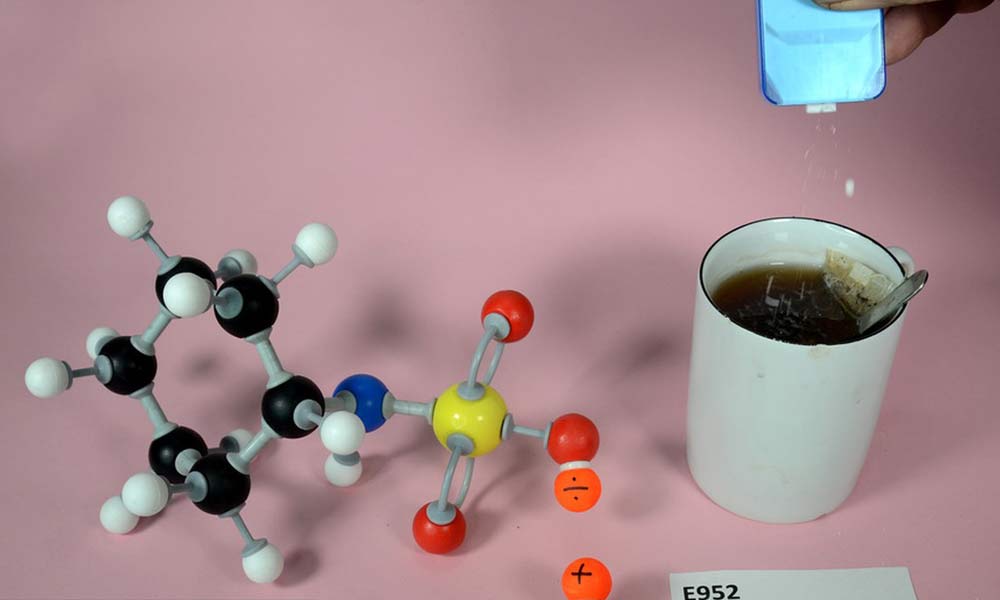
However, premium and artisanal chocolates — often labeled as “bean-to-bar” — typically use fewer ingredients and emphasize natural cocoa flavor. These are usually processed but not ultra-processed. Such distinctions are important for consumers seeking healthier or more natural options.

Innovation and Machinery in Modern Chocolate Production

The chocolate industry continues to evolve with advanced processing machinery designed to optimize quality and efficiency. At the heart of every production line are:
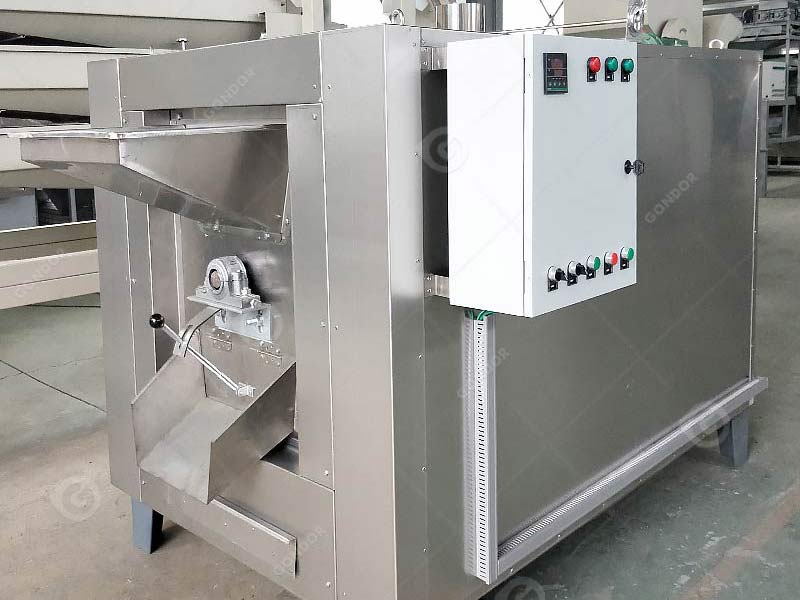
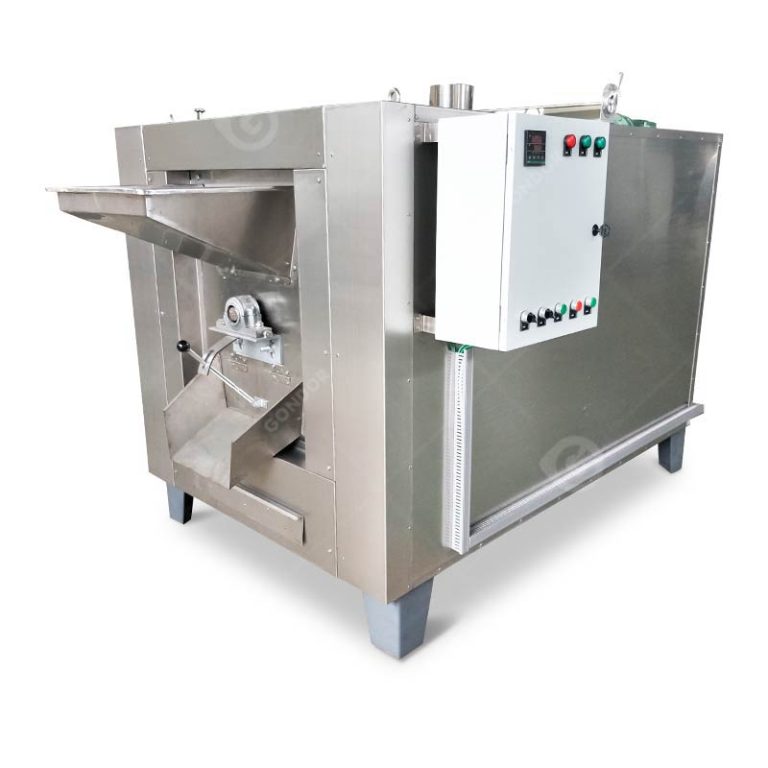
Cocoa Roasters
For precise temperature control and even flavor development.
Winnowers
To separate nibs from shells efficiently.
Refiners and Ball Mills
To achieve smooth particle size distribution.
Conching Machines
To develop flavor and texture over extended mixing times.
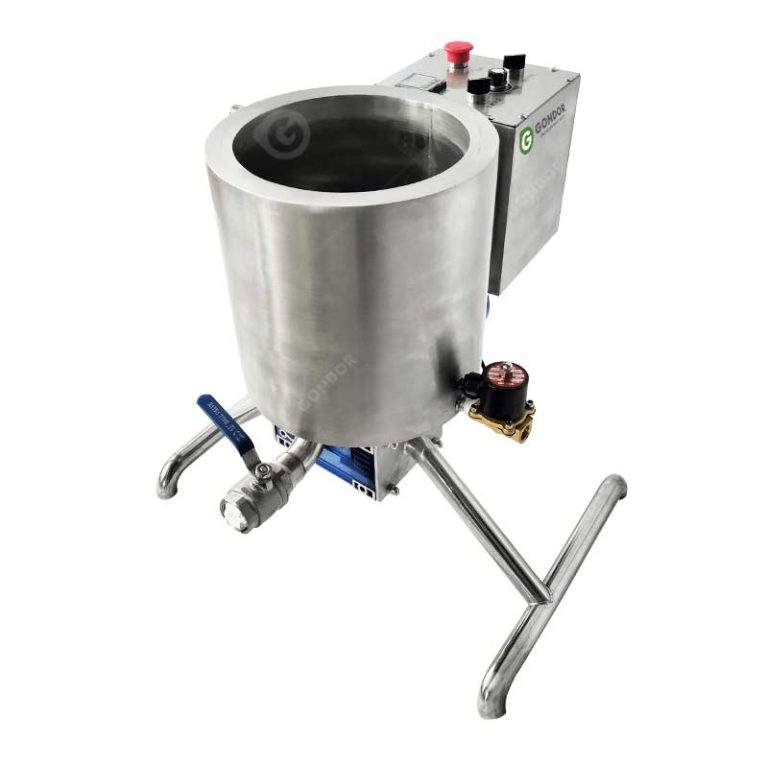
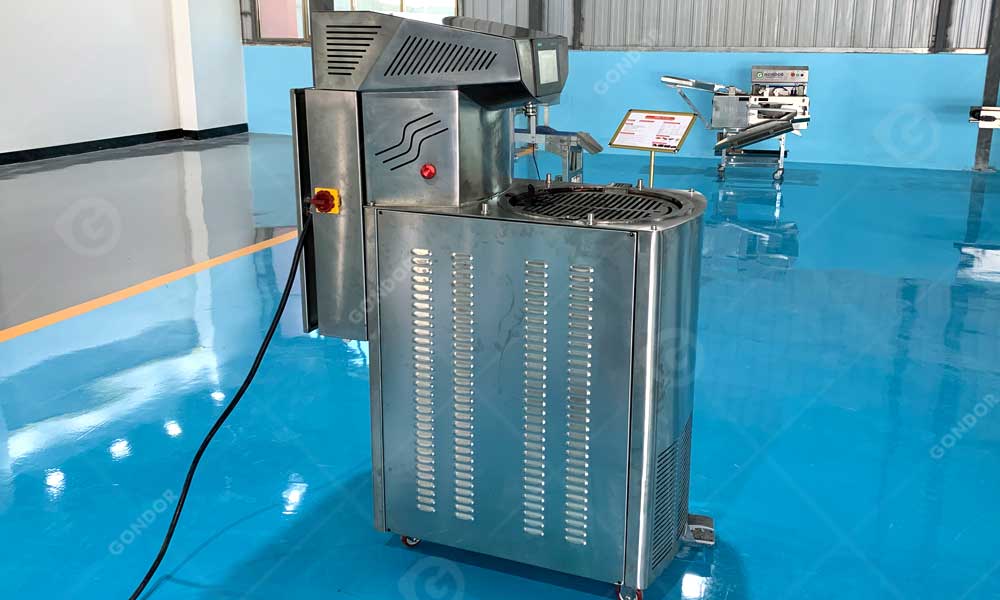
Tempering Machines
To create stable chocolate with a glossy finish.
Depositors and Molding Lines
For shaping bars, pralines, or chips.
For export-oriented manufacturers, integrating automated chocolate processing lines not only enhances production capacity but also ensures compliance with international food safety standards. These systems reduce manual labor, minimize contamination risk, and deliver consistent product quality — all vital for meeting the demands of global buyers.
Organic chocolate processing standards and certification requirements
Cocoa-crushing-and-winnowing-machine
Commercial chocolate processing equipment for small chocolate factories

A Deliciously Engineered Product

So, is chocolate a processed food? Absolutely—and proudly so. It’s a sophisticated process where science and craftsmanship meet. As the industry advances with cleaner, more sustainable methods, understanding these innovations is key to staying competitive. Ready to elevate your production? Contact us today to discover how our advanced processing machinery can help you create exceptional chocolate.
Send Us an Inquiry

Share your needs with us and our top consultants will respond quickly with tailored solutions.