

Premier Chocolate Melanger: Ultimate Smoothness Achieved
Have you ever wondered why the taste of “bean to board” handmade chocolate melts at the tip of the tongue like velvet, while ordinary cocoa butter chocolate has a grainy or waxy feeling? The answer lies not only in the quality of cocoa beans, but also in the key research technology. An efficient and high-quality premier chocolate melanger is the core engine of your production process, which can transform coarse cocoa crumbs into flowing liquid grease, and at the same time complete the two tasks of reducing granularity and refining flavor. Next, we will deeply discuss the working principle of professional chocolate grinding, how to reshape the flavor contour by stone grinding, and how to choose the right equipment for your production line.
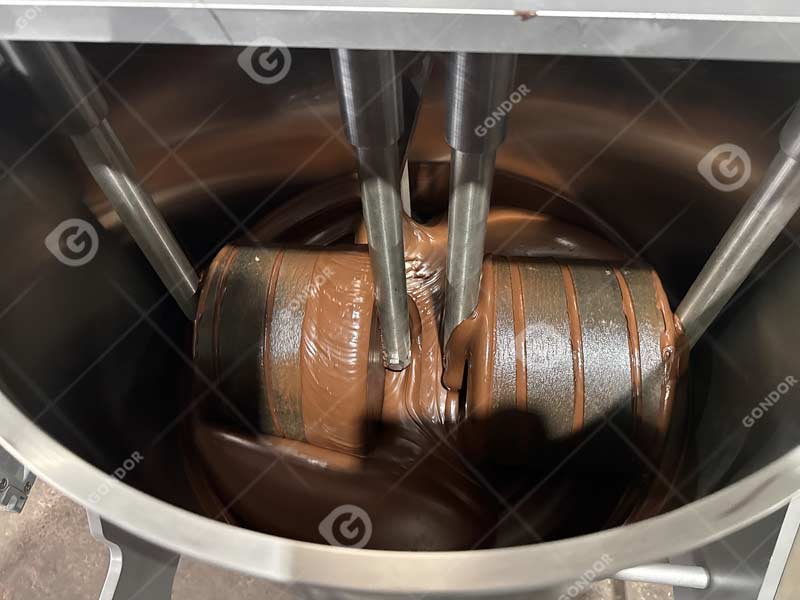

Understanding the Basics: What Is Chocolate Milling & Refining?
In essence, chocolate grinding is a process of thoroughly crushing cocoa crumbs, sugar crystal particles and milk solids into ultrafine particles by mechanical force. Raw materials are coarse particles when they first enter the equipment. To achieve the amazing “melting in the mouth” feeling, the material particles must be ground below 20 microns (1 micron = 0.001 mm). The human tongue can obviously detect graininess when it is about 30 microns. If the particle size after grinding is higher than this threshold, consumers will feel obvious powdery or sandy feeling.
| Process Stage | Raw Ingredient Form | Target Particle Size | Primary Goal |
| Pre-milling / Crushing | Roasted Cacao Nibs | 100–500 microns | Turn solid nibs into rough liquor paste |
| Fine Refining (Melanger) | Liquor + Sugar + Cocoa Butter | 15–20 microns | Eliminate grit; release bound fats |
| Conching (Simultaneous) | Liquid Chocolate Paste | 15–20 microns | Evaporate moisture & harsh acids |
Why Use a Premier Chocolate Refiner over Standard Grinders?
Not all grinding equipment can achieve the same effect. Although the common blade food processor or steel needle mill has a fast breaking speed, it will produce extremely high friction heat, which is easy to burn volatile aroma, and the particle size of the mill is extremely uneven. A special high-quality chocolate grinding machine uses natural granite grindstones to roll and grind on granite chassis. This traditional “stone grinding” physical processing method has obvious advantages:
Key Applications: Where Is This Equipment Used?
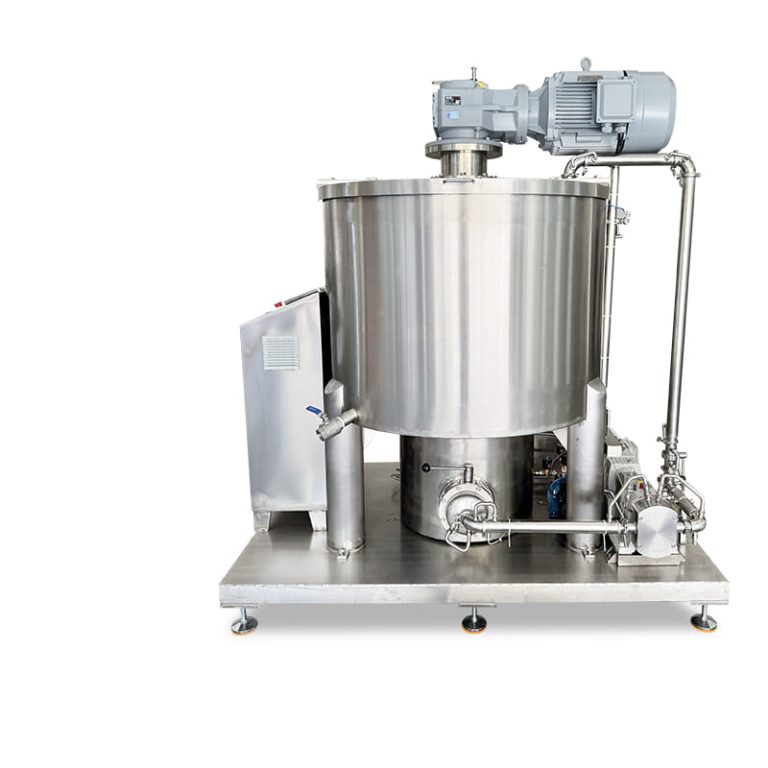
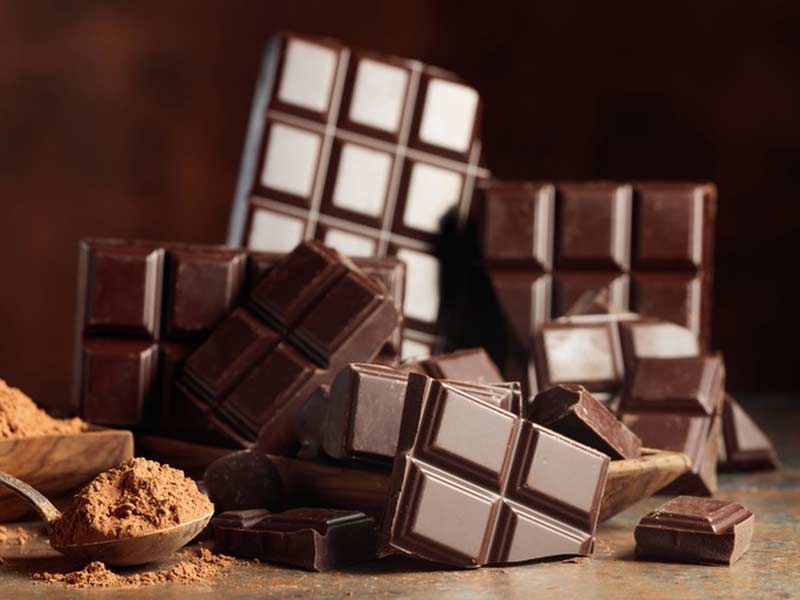
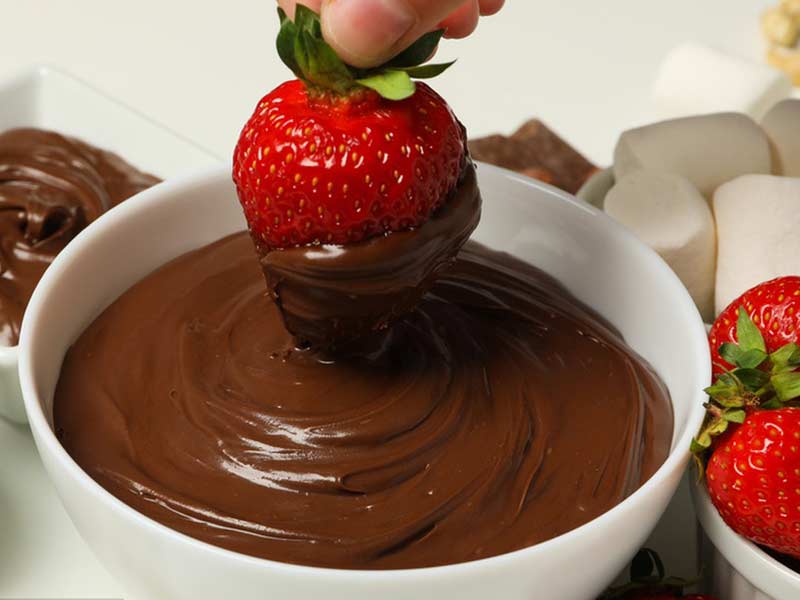
Different food business forms need flexible batch setting. A high-quality high-quality chocolate grinder can seamlessly adapt to a variety of production scales:
Small-batch lapping machine is convenient for chocolate makers to try Single-Origin, and flexibly customize baking curve and lapping time.
Used for daily continuous production of high-end sandwich, Pralines, nut jam and coating.
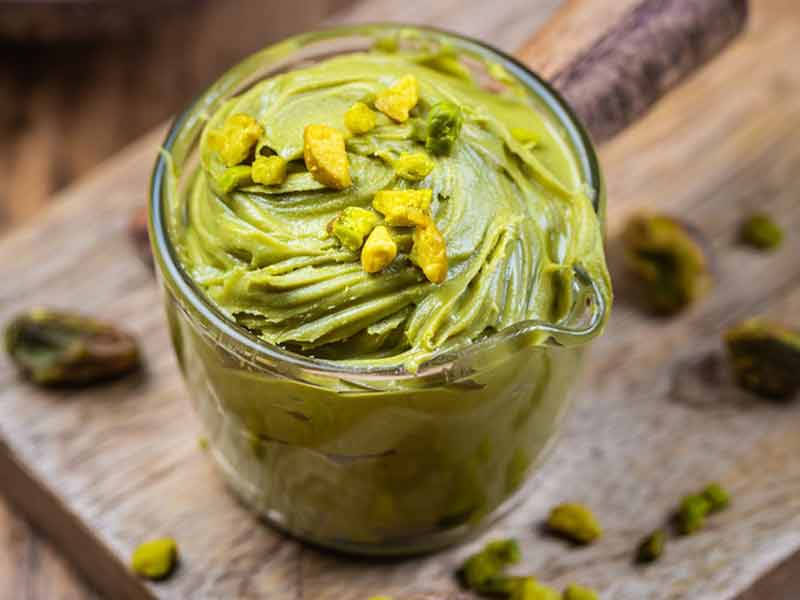
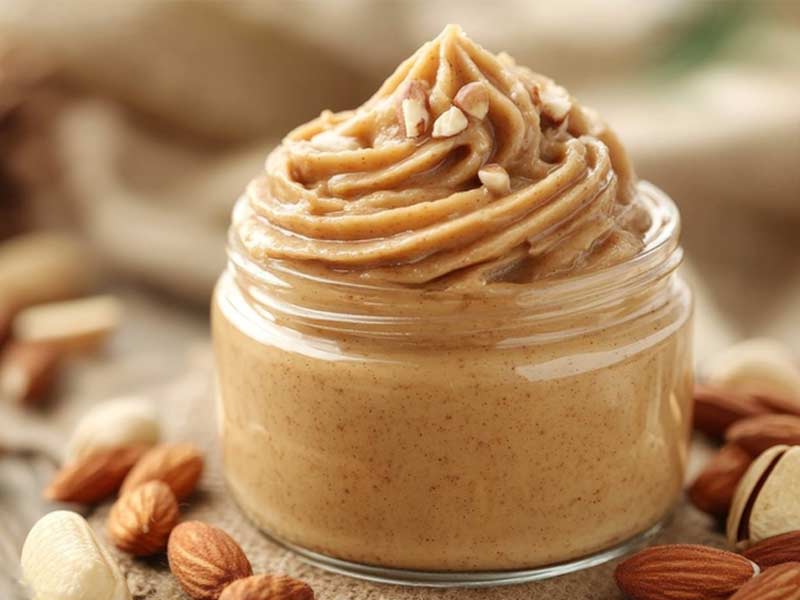
In addition to cocoa, the stone mill is also very suitable for grinding happy jam, delicate black hazelnut jam, sesame jam and vegan nut jam.
Very suitable for small-scale formula test, raw material sample test and fine-tuning taste index before large-scale production.
Step-by-Step Selection Guide:Finding Your Ideal Setup
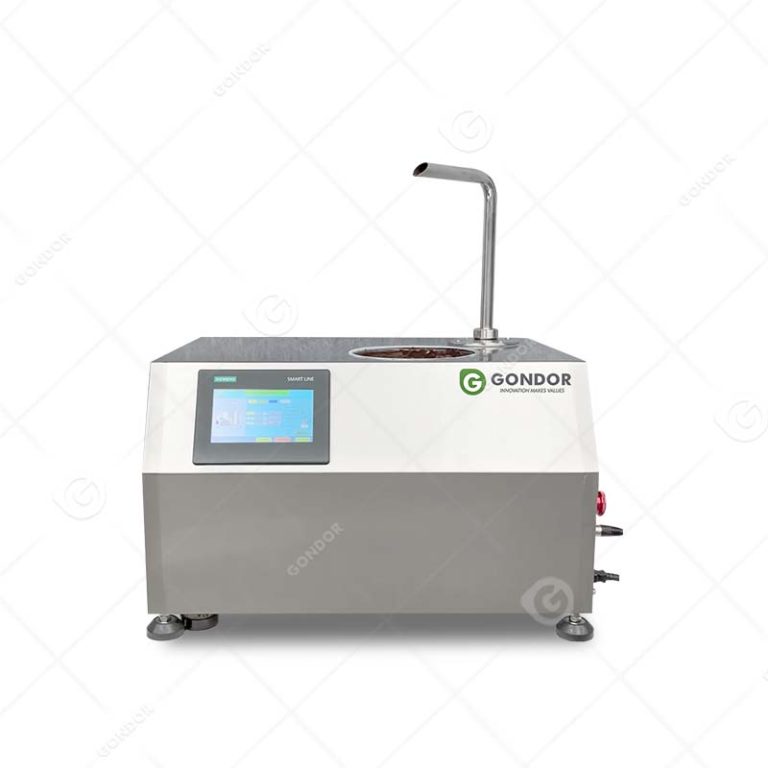
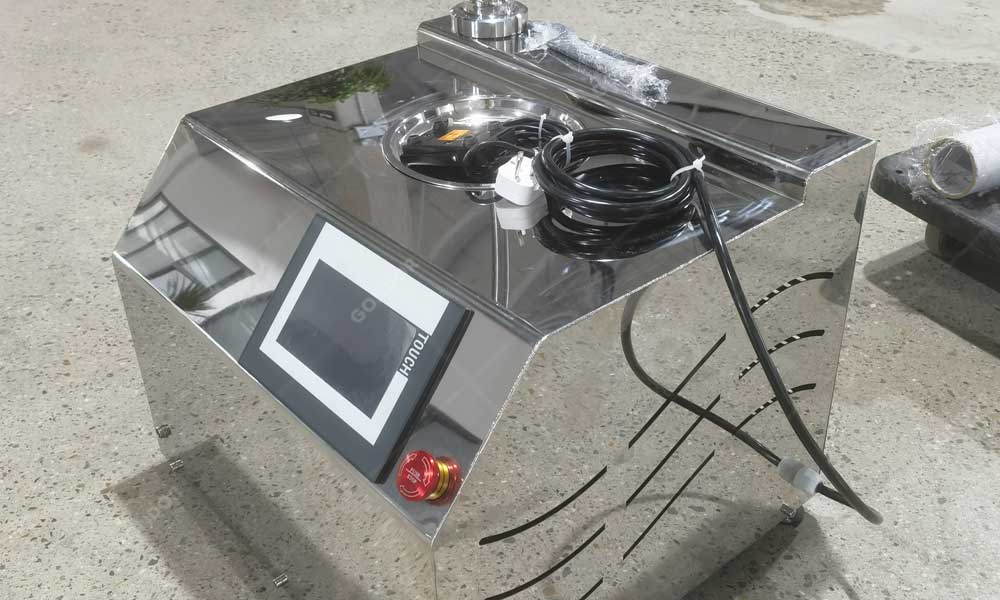
- Floor Space: If workshop space is limited, please choose compact desktop design. Modular models allow you to easily expand production capacity by adding parallel grinding cylinders.
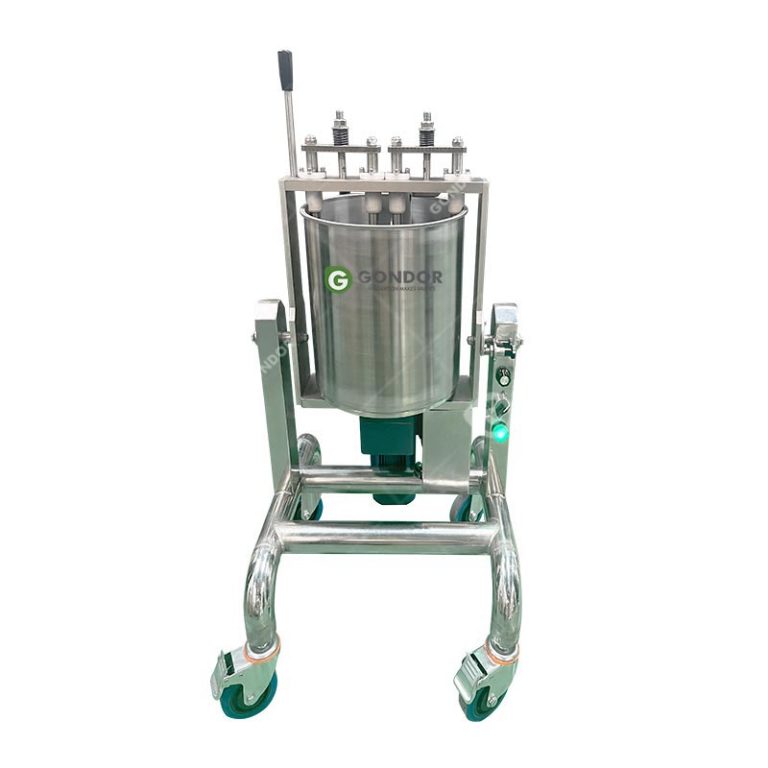
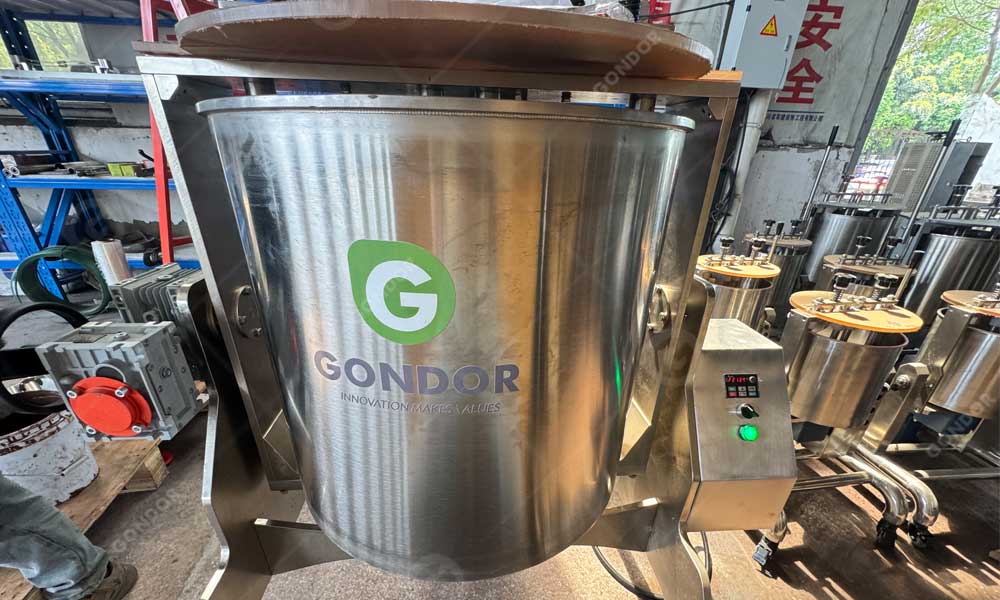
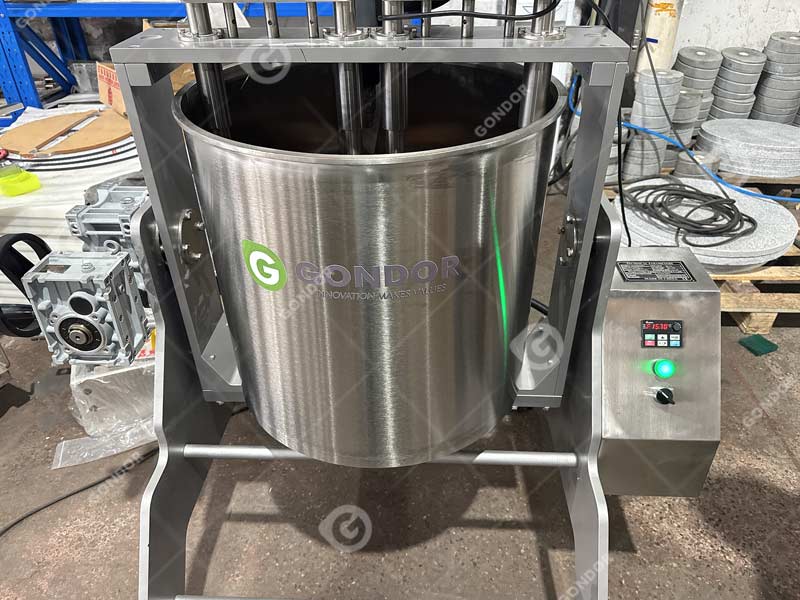
- Convenient Operation: The machine with tilting mechanism is preferred, which is convenient for pouring liquid chocolate directly into the thermostat or storage barrel.
- Sanitary Structure: Stainless steel shell combined with food-grade granite parts can ensure compliance with international food safety standards.