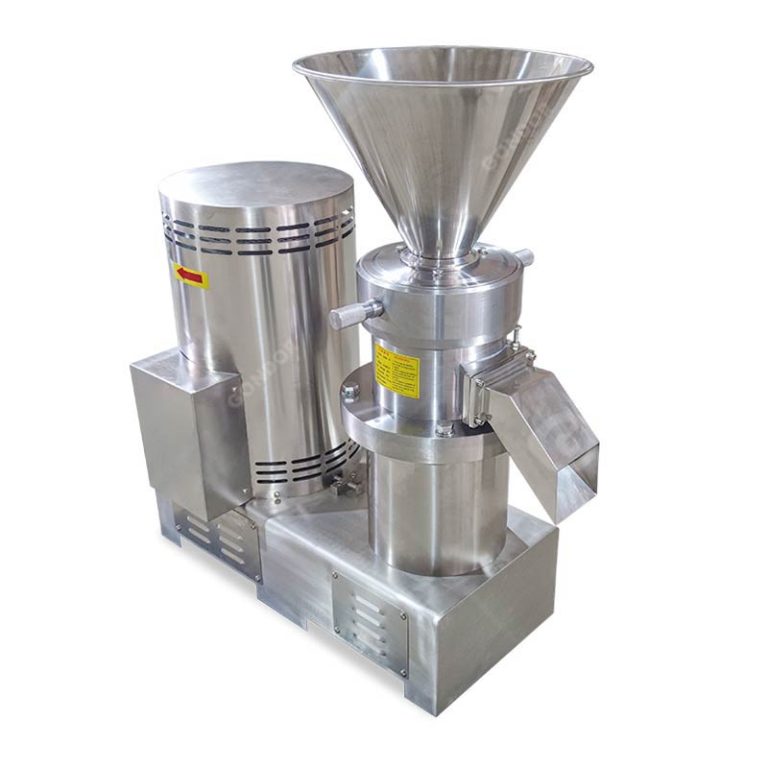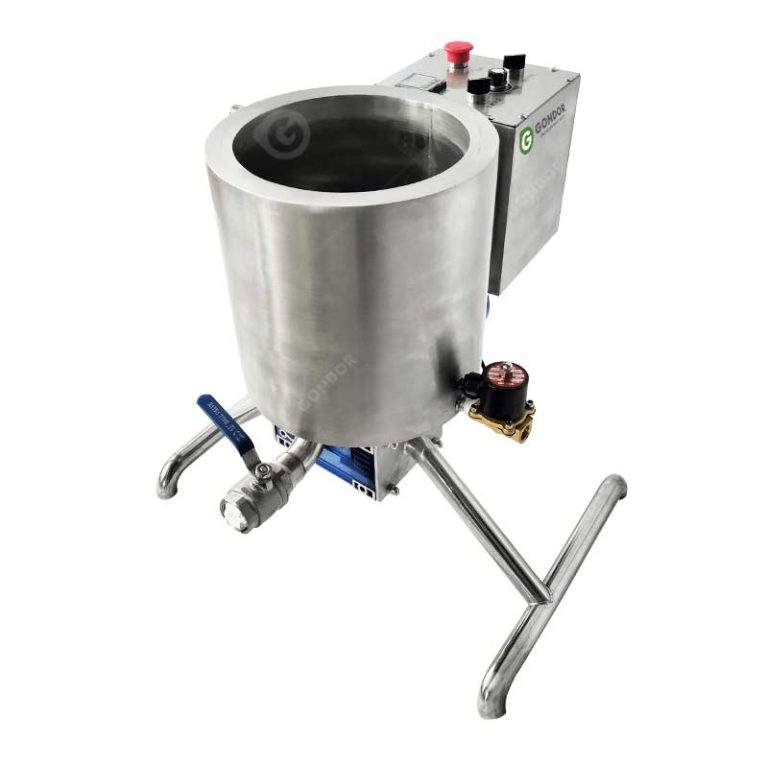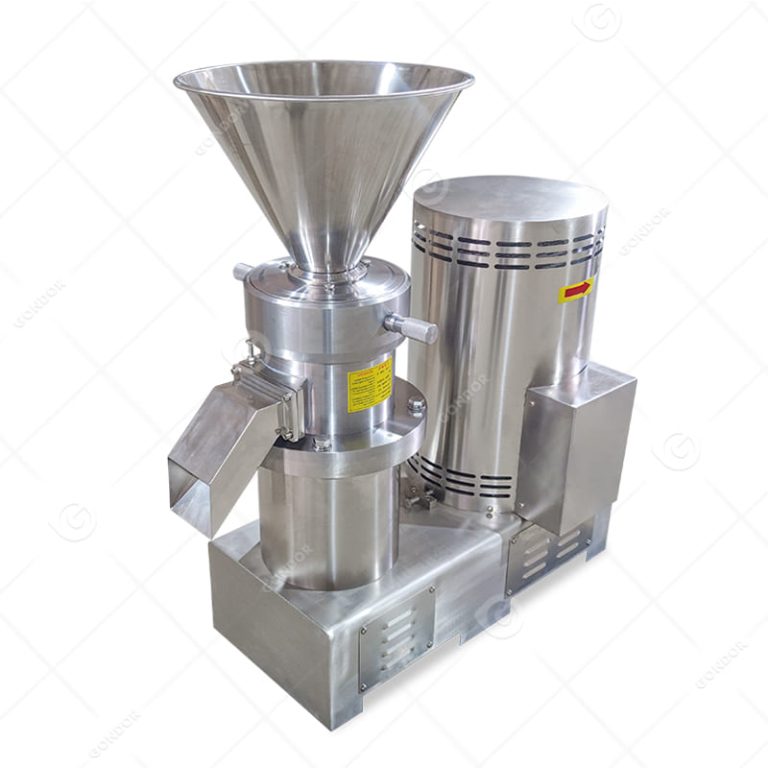


As a major global processing hub for spices and agricultural products, Indonesia is experiencing a surge in demand for high-quality chili sauce and fruit jam. This case study focuses on a growing food processing company in Indonesia.
The client’s core objective was to find a highly versatile grinding solution capable of processing high-fiber chilies, high-oil peanuts, and producing silky, chocolate-spread-like premium jams. This pursuit of extreme fineness and versatility is a common challenge faced by many food processing plants undergoing transformation.
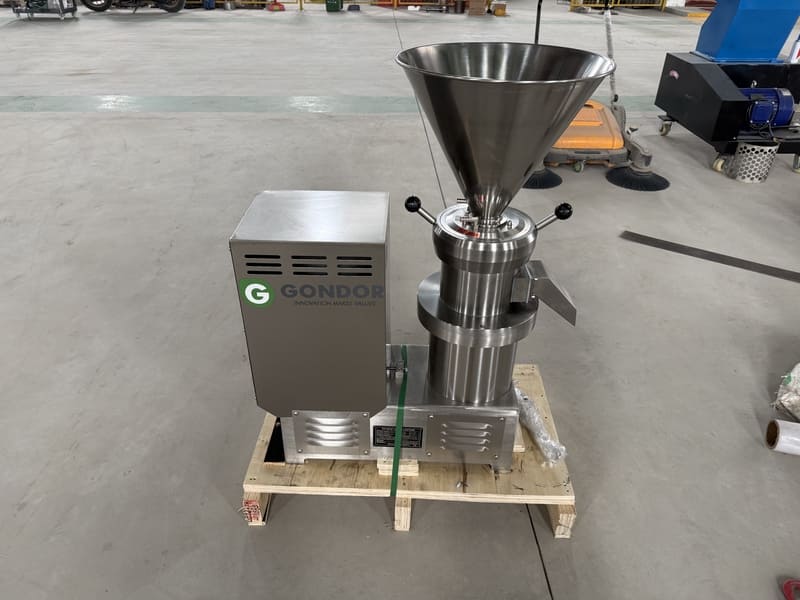
The client’s initial inquiry colloid mill machine focused not just on price, but on the compatibility with semi-fluid materials like chili sauce and jam, the adjustability of the grinding fineness, and the availability of their own freight forwarder. Because these issues were addressed clearly and systematically, the client ultimately placed an order within a short timeframe.
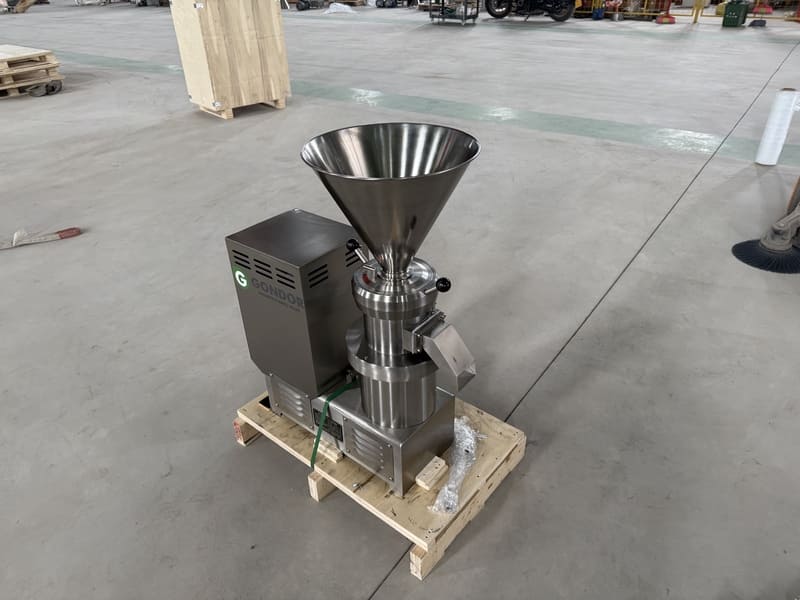
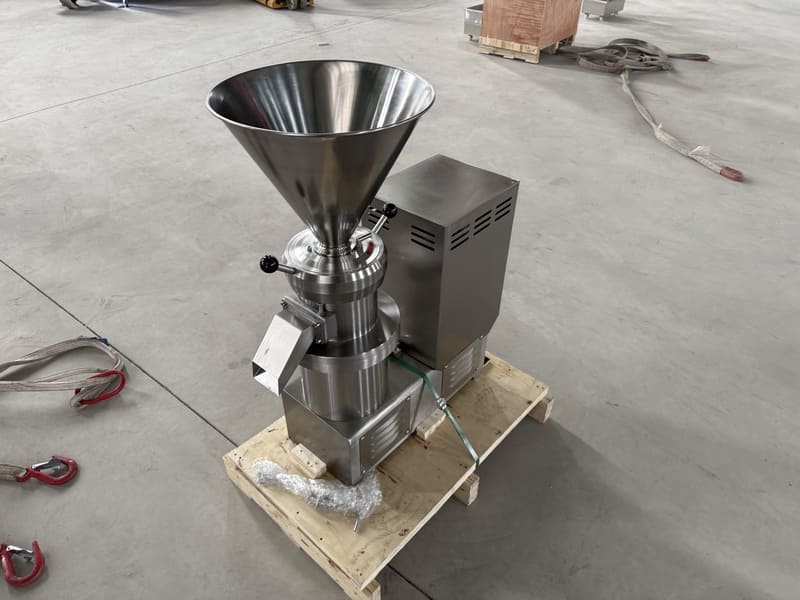
Indonesian Client’s Needs Regarding Colloid Mills
At the initial stage of the project, this client didn’t immediately target a specific model. Instead, they focused on the application scenario, wanting to confirm whether a single colloid mill could meet the processing needs of various sauce products.
The client’s questions were very representative:
Customer Considerations Before Purchase
Before formal communication, the customer expressed three core concerns, which directly reflected pain points in their actual production experience:
Solution: From Video Verification to Technical Explanation
To address the client’s core questions, we didn’t just rely on written explanations. Instead, we responded step-by-step, combining real equipment demonstrations with process logic.
Customer Testimonial for Gondor
“We were very careful in looking for equipment that could process both chilies and peanuts simultaneously. The videos they provided demonstrated a very professional grinding process, and their explanation of the fineness of the grinding was particularly reassuring. Most importantly, they were very cooperative with our logistics arrangements, making the entire process highly efficient.” — Indonesia Project Manager
What should you focus on when purchasing a colloid mill?
Based on this case study with our Indonesian client, if you are also evaluating a colloid mill for processing chili sauce, jam, or other sauce products, we recommend focusing on the following aspects:
1. Confirm material characteristics before selecting equipment.
Don’t just say “I want to make sauce.” A more effective approach is to specify:
What are the raw materials?
Do they contain seeds, fibers, or particles?
Is the target finished product a coarse-particle, fine, or high-viscosity sauce?
2. Don’t interpret “fineest” as a single equipment parameter.
Whether a colloid mill can achieve the ideal fineness depends not only on the equipment itself but also on pretreatment, formulation ratios, and feeding conditions. Professional suppliers will usually consider the material as a whole, rather than simply promising a vague result.
3. Videos, samples, or operational demonstrations are crucial.
For overseas clients, operational videos are a very effective trust tool. They help you more intuitively assess the equipment’s status and reduce the trial-and-error risks of remote procurement.
4. Understand the equipment’s applicable boundaries.
Colloid mills are suitable for many sauces, slurries, and semi-fluid materials, but not all raw materials can be directly fed into the processing. If the material has excessively long fibers, large particles, or contains hard impurities, pre-treatment is usually still required.
5. Logistics coordination capabilities should also be included in the procurement evaluation.
Especially for customers with their own freight forwarders, it is crucial to confirm in advance whether the supplier can cooperate with packing, documentation, dimensional and weight information, and shipping coordination, as this directly affects delivery efficiency.