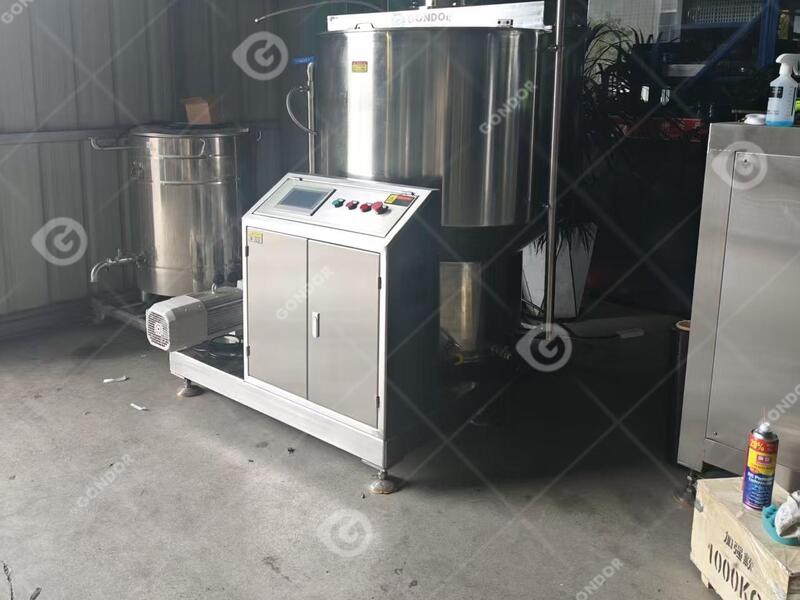


A Deep Dive into Cocoa Processing and Roasting Secrets
Stages of processing cocoa beans and the cocoa roasting process are the key links that determine the taste, texture, and flavor of chocolate. In order to realize large-scale production and control the cost while maintaining the consistency of flavor, we must pay attention to the cocoa bean roasting machine price and equipment selection.
Every chocolate maker and production manager knows that high-quality chocolate comes from exquisite craftsmanship, but ultimately depends on reliable equipment.
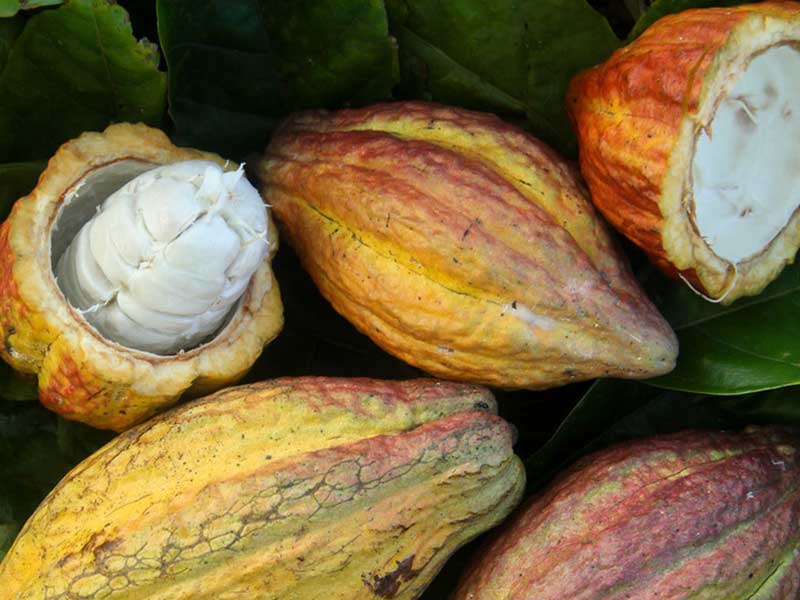
From Farm to Roaster: The Key Stages of Processing Cocoa Beans
Before heating cocoa beans, raw beans must undergo strict preparation work. If you skip the initial cleaning step, you are likely to damage the equipment or even ruin the taste of the whole batch of chocolate. Let’s take a look at what steps raw materials will go through when they arrive at commercial processing plants.
Raw cocoa beans shipped directly from the farm are often mixed with branches, stones, dust, and ropes. An efficient cleaning machine can completely remove these impurities safely through a vibrating screen and a magnetic separator.
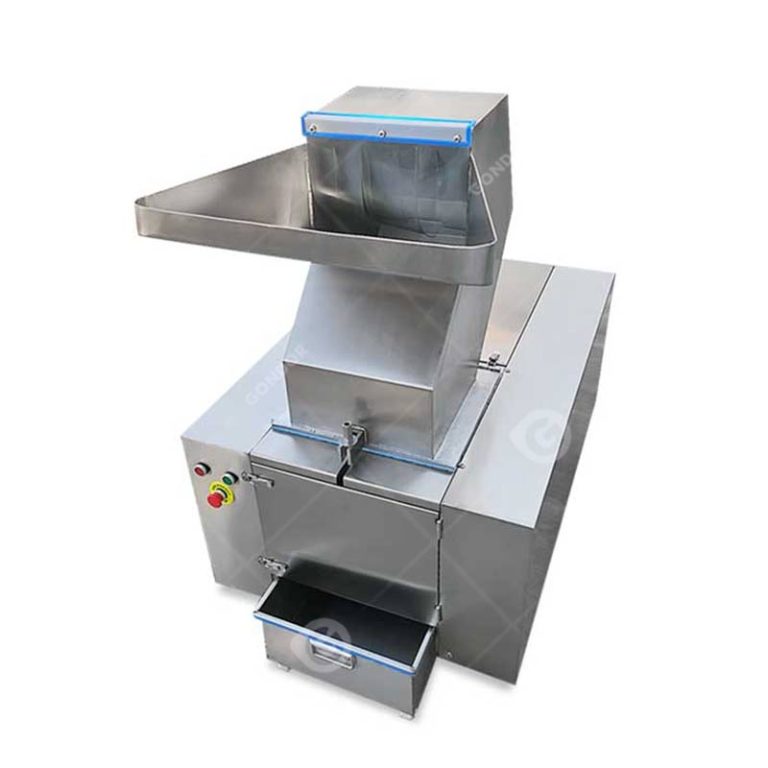
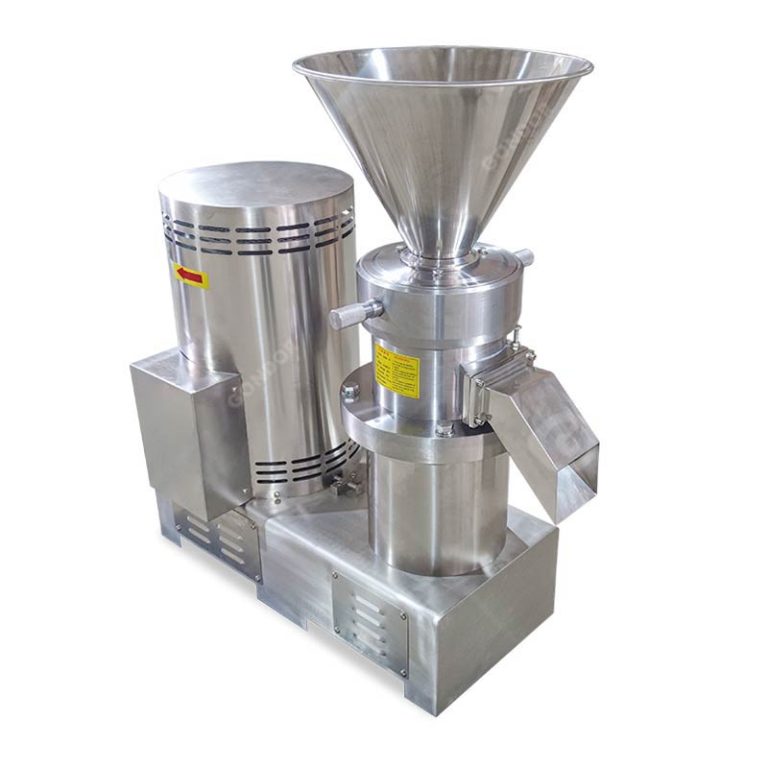
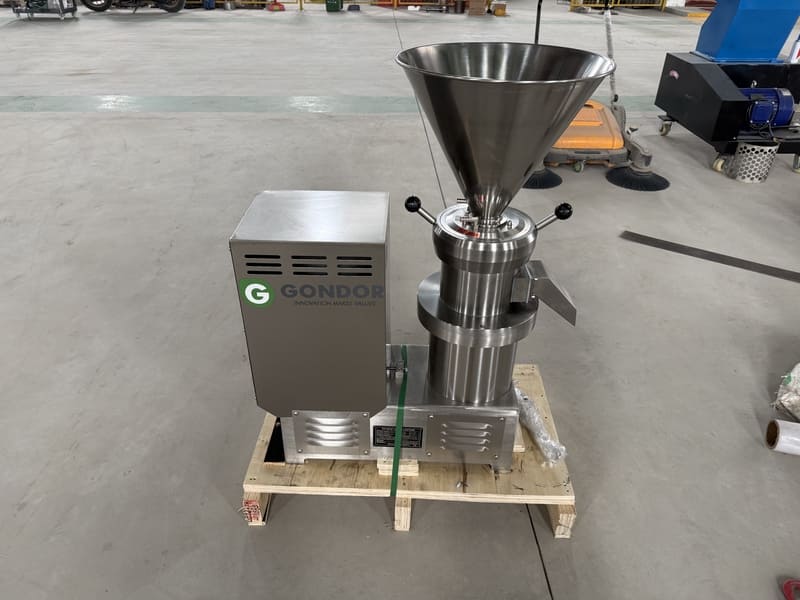
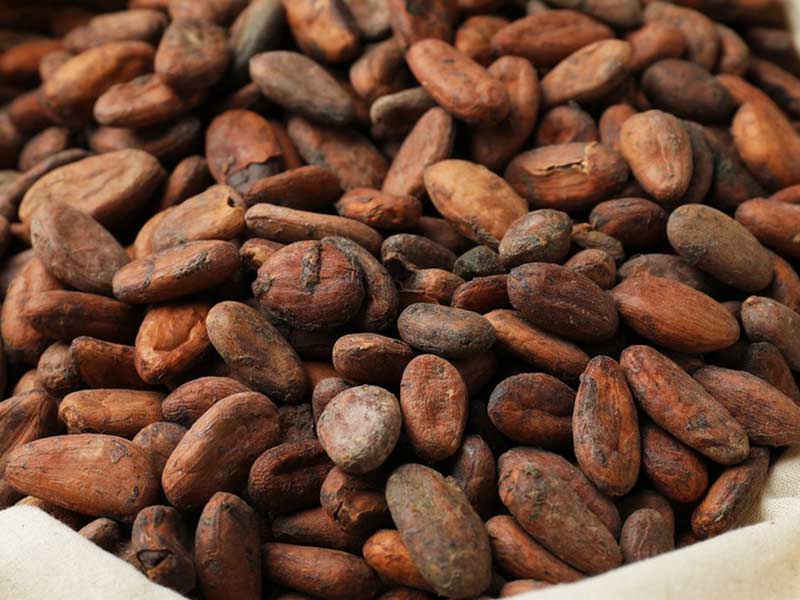
The purpose is to remove the shell of cocoa beans and avoid the bitter taste from affecting the taste of chocolate. Industrial equipment can gently crush beans and accurately separate shells from high-value nibs by airflow to ensure the purity of raw materials.
Inside the Roasting Room: Mastering the Cocoa Roasting Process
When your cocoa beans or cocoa crumbs are cleaned, they enter the core of the whole process. The cocoa roasting process is a magical moment when chemical changes take place. Raw cocoa beans taste bitter and sour. Baking can effectively reduce this volatile acidity (especially acetic acid) and trigger the Maillard reaction. This reaction combines amino acids with reducing sugars, thus producing a rich and pleasant chocolate aroma that we all love.
To help you understand more intuitively how these variables are adjusted according to your target product, the following is a standard guide to baking process parameters:
| End Product | Roasting Target | Typical Temp Range | Key Focus Area |
| Premium Craft Chocolate | Whole Beans / Nibs | 110°C – 125°C | Preserving fruity and floral notes |
| Mass-Market Milk Chocolate | Whole Beans | 120°C – 135°C | Developing deep caramel and nutty tones |
| Industrial Cocoa Powder | Nibs / Low-grade Beans | 130°C – 145°C | Maximizing color development and reducing moisture |
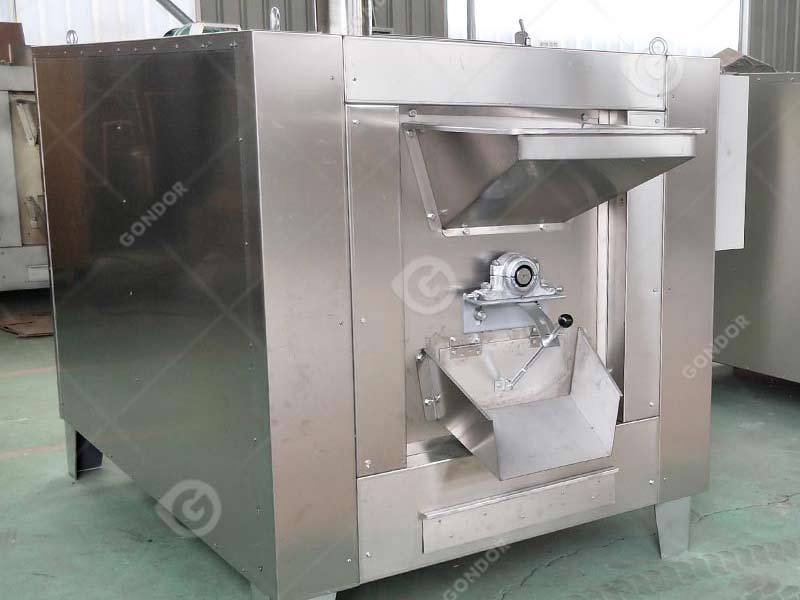
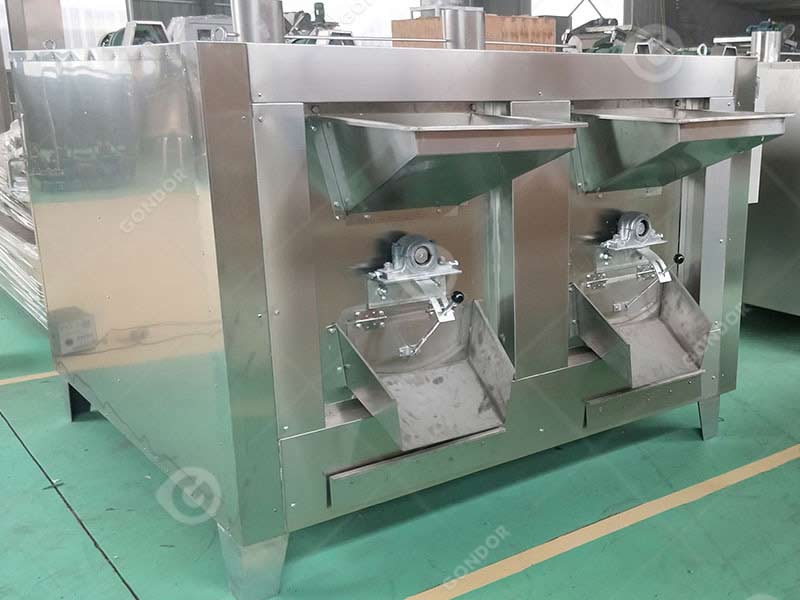
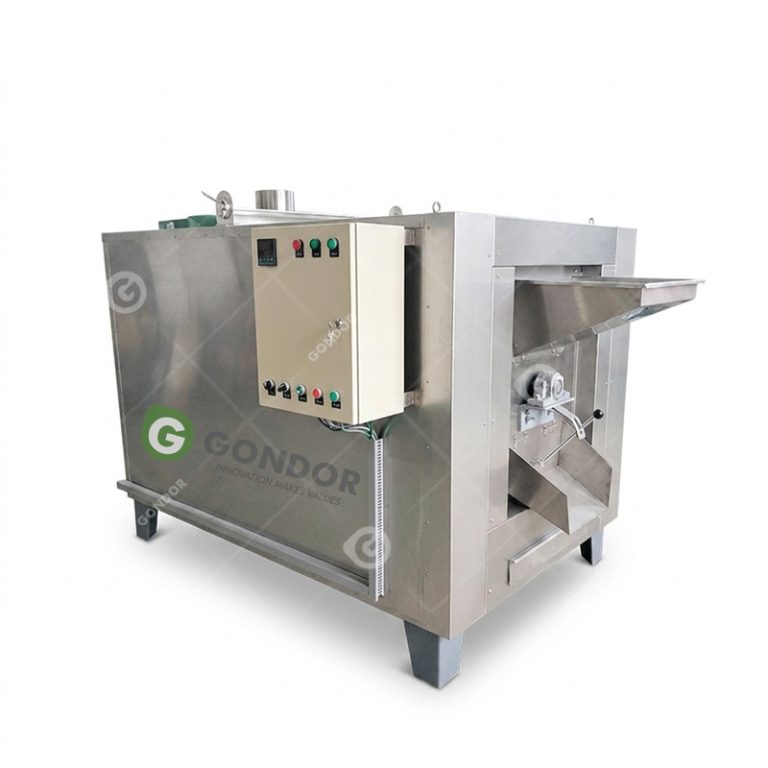
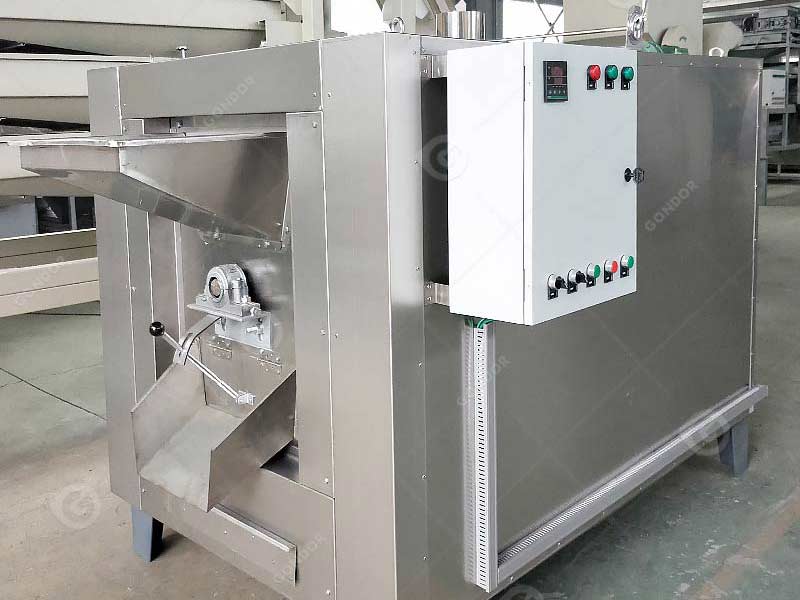
In order to realize the stability and continuity of the baking curve, the factory needs to rely on professional equipment. Through continuous rotation, the drum roaster ensures that each cocoa bean is heated evenly and prevents local scorching. With the cooling bed beside the baking drum, cold air can be blown immediately after the cycle is over, and the heating reaction can be terminated instantly. This precise temperature control is the key to ensuring the long-term stability of product flavor.
Cocoa bean roasting machine price is mainly determined by three technical factors: capacity, material and heating mode.
Finding the Right Setup for Your Business Success
The key to investing in a cocoa processing line is to balance current demand and future development. If the equipment is too small, it will limit the production capacity, while if it is too large, it will increase the fixed cost and affect the profit. When choosing, we should not only consider price but also the supplier’s after-sales support, parts supply, and process planning capabilities. For example, professional suppliers can provide overall solutions from layout design to front-end and back-end equipment connections to ensure smooth and efficient production processes.