

Biscuit Machinery: The Core of Modern Production
The biscuit factory machine is the core support of modern food production. It is not only an asset but also the key to ensuring daily output, reducing consumption, and maintaining brand consistency. Walking into the commercial baking workshop, the operation of the mixer, oven, and sorting line forms a unique rhythm, but behind it is a highly competitive and rapidly changing market environment. Whether you are expanding from a local bakery or building a brand for the mass market, the selection of equipment will directly affect the survival and development of the enterprise.
Recently, in the industry discussions on Reddit, Quora, and other platforms, food entrepreneurs are generally concerned about how to efficiently expand production capacity while avoiding capital overruns and factory traps. Industry consensus shows that automation is not a long-term plan, but a necessary basis for current production. Next, we will analyze the operation mode of the modern biscuit production line and discuss how to build an efficient and reliable equipment configuration.
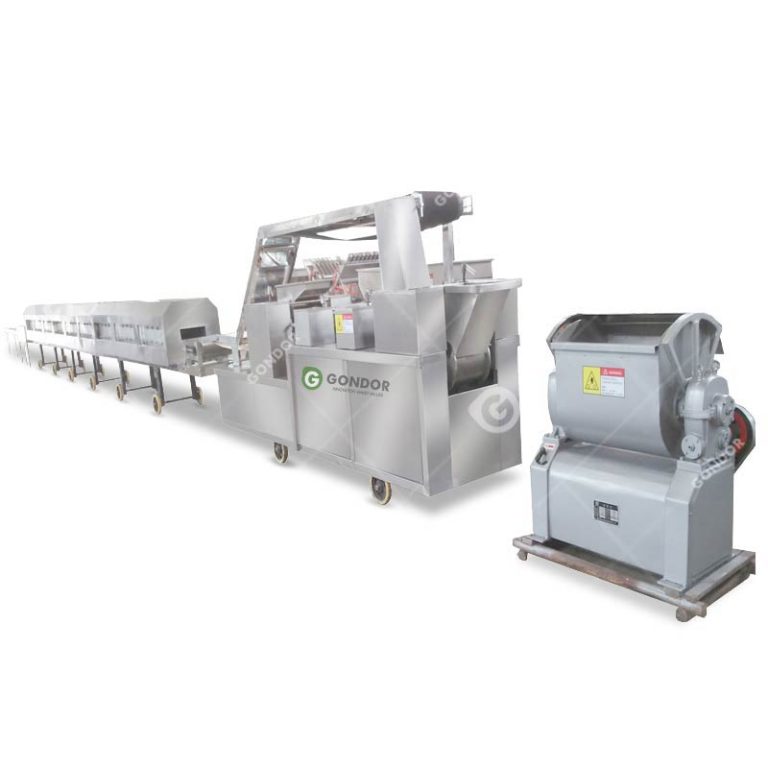
The Industrial Flow: Anatomy of a Complete Production Line
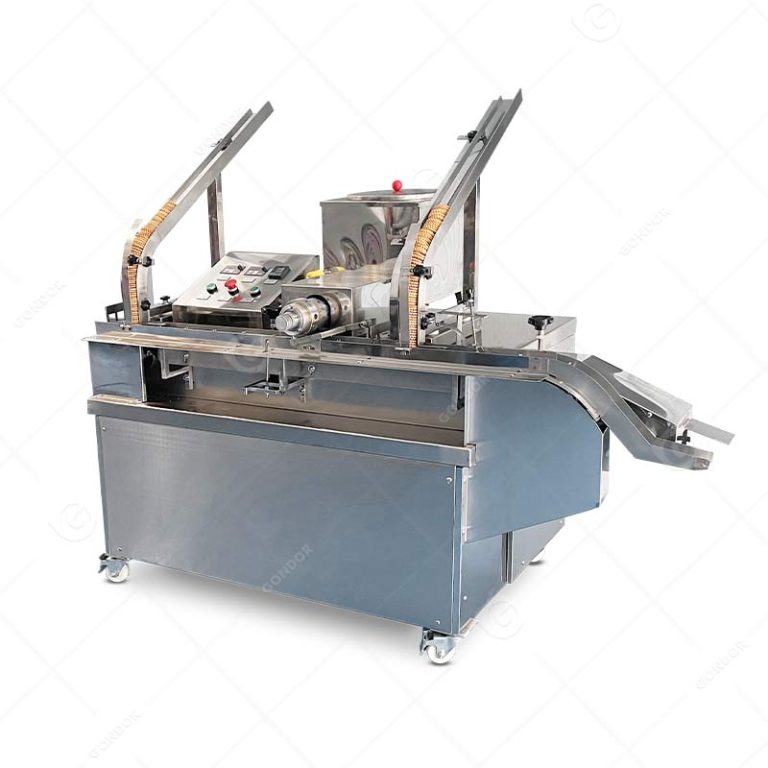
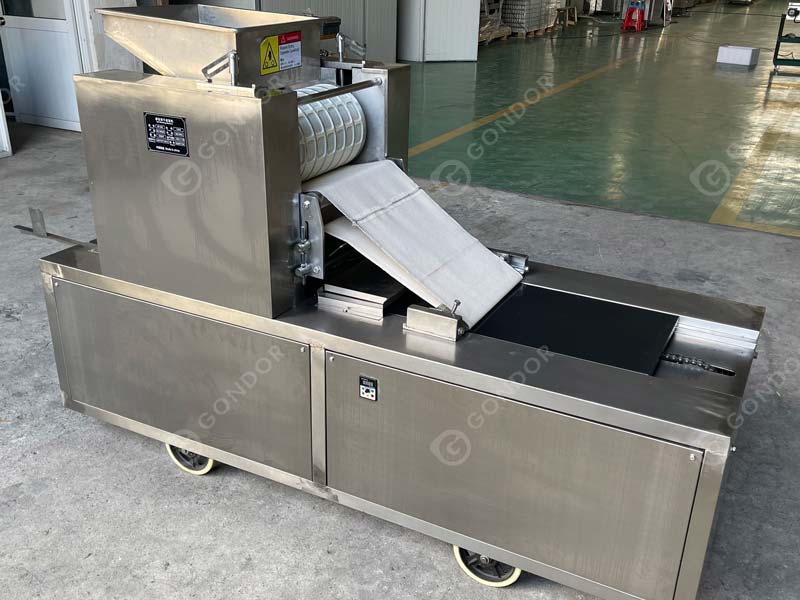
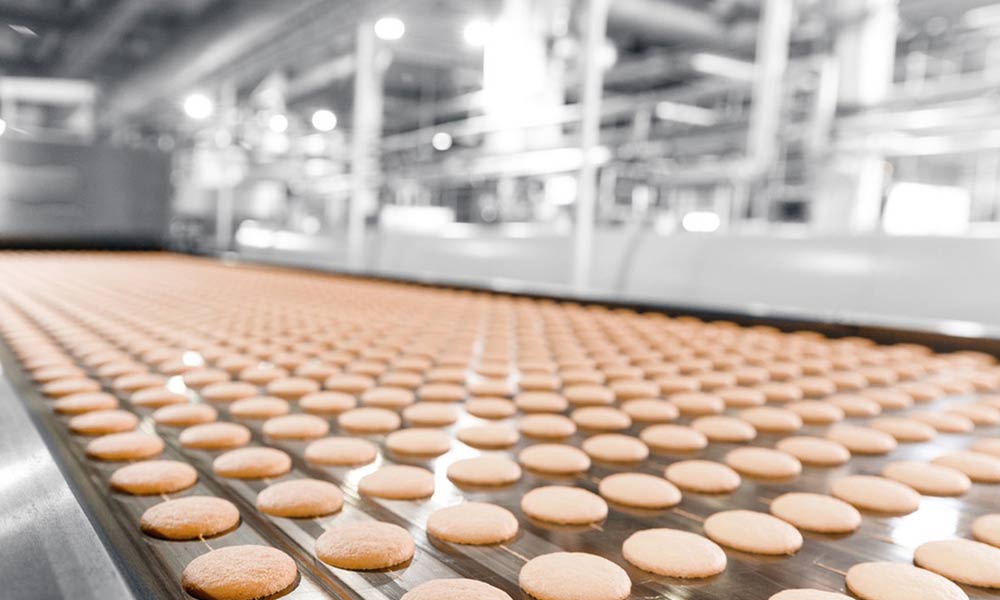
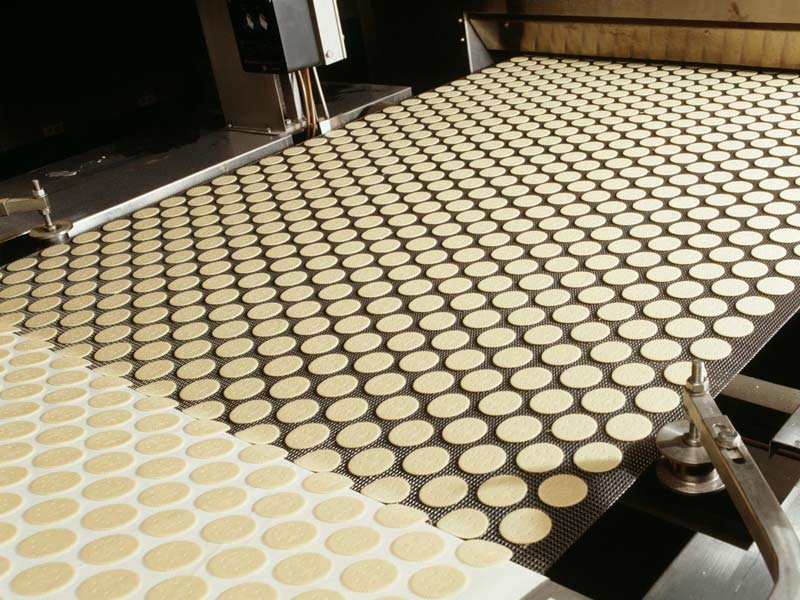
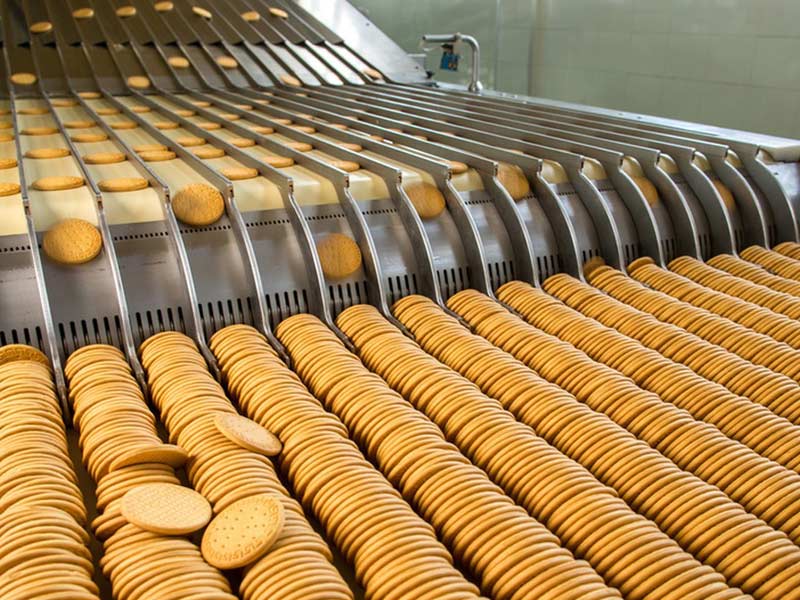
A complete commercial baking production line is not a single giant device, but an ecosystem deeply integrated by several professional machines, which requires precise coordination of all links to avoid production interruption. The process starts from the mixing station, and the high-capacity mixer ensures the dough is evenly mixed. Hard biscuits need to be layered by pressing and a laminating mechanism, while soft biscuits rely on a rotary molding machine for direct compression molding. After that, the green body is baked in a tunnel oven with sectional temperature control, and then completely cooled by a long enough cooling conveyor belt to avoid the influence of residual humidity on the shelf life.
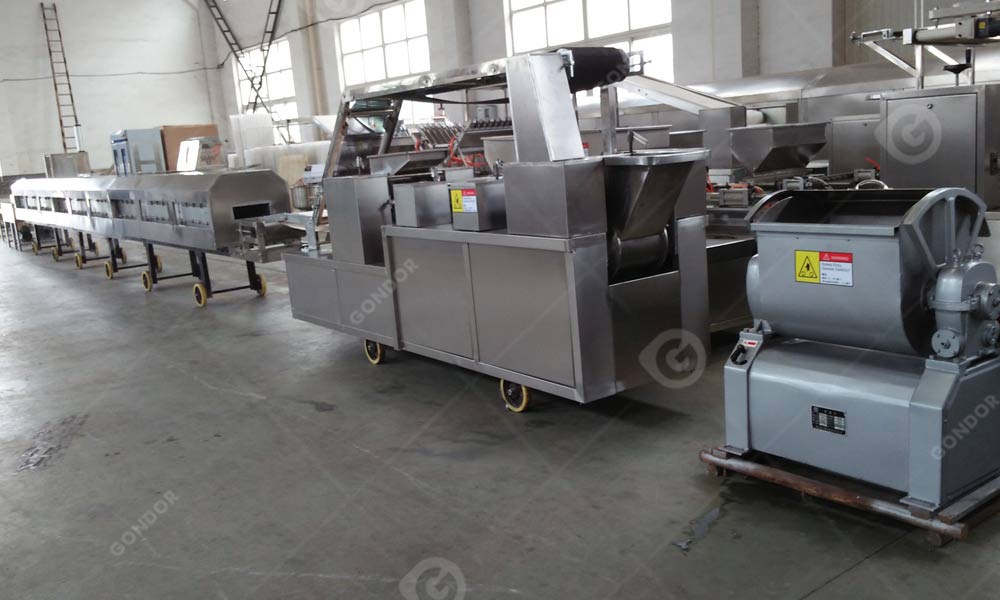
The baking process is particularly critical: the temperature control of the tunnel oven needs to be extremely accurate, and a little carelessness will lead to the over-production or scorching of the finished product. Baked biscuits must be fully cooled before packaging; the residual water vapor will greatly shorten the shelf life. Therefore, temperature control and the cooling process are the core to ensure product quality and stability.
The Price Equation: Unpacking the Actual Investment
In the B2B manufacturing sector, a common question is “How much investment does a production line need?” Buyers often try to find out the price of an automatic biscuit making machine in the catalogue, but most of them can only get a reply of “Please contact for a quotation”. This is not deliberately concealed by manufacturers, but because commercial equipment is mostly customized on demand, and its price is highly dependent on production capacity, materials, and automation level, from small semi-automatic production lines suitable for local bakeries to high-capacity continuous industrial systems, there are significant differences in investment scale.
| Production Scale | Typical Capacity | Automation Level | Estimated Price Range (USD) | Best Suited For |
| Small Scale Startup | 100 – 200 kg/hr | Semi-Automatic | $15,000 – $35,000 | Local brands, regional test kitchens |
| Medium Scale Commercial | 300 – 500 kg/hr | Fully Automatic | $50,000 – $120,000 | Growing regional suppliers, expanding brands |
| Large Industrial Line | 800+ kg/hr | Fully Integrated PLC | $180,000 – $500,000+ | Multi-national brands, high-volume exports |
When you evaluate an automatic biscuit making machine price, smart operators look far beyond the initial invoice. You have to consider your local utility costs—natural gas might save you thousands monthly compared to electricity in some regions. Furthermore, pay close attention to the brand of the PLC control system (such as Siemens, Omron, or Delta). Choosing a machine with obscure, unbranded electronics might save you money today, but finding replacement parts or an engineer who can fix a software glitch mid-production will cost you a fortune in downtime later.
Pro Tip from the Factory Floor: Never buy a machine based solely on the cheapest quote. Always verify the grade of the stainless steel used (insist on food-grade SUS304) and ask the manufacturer for a comprehensive wear-and-tear spare parts list before signing the contract.
Precision at Speed: Integrating the Sandwiching Phase
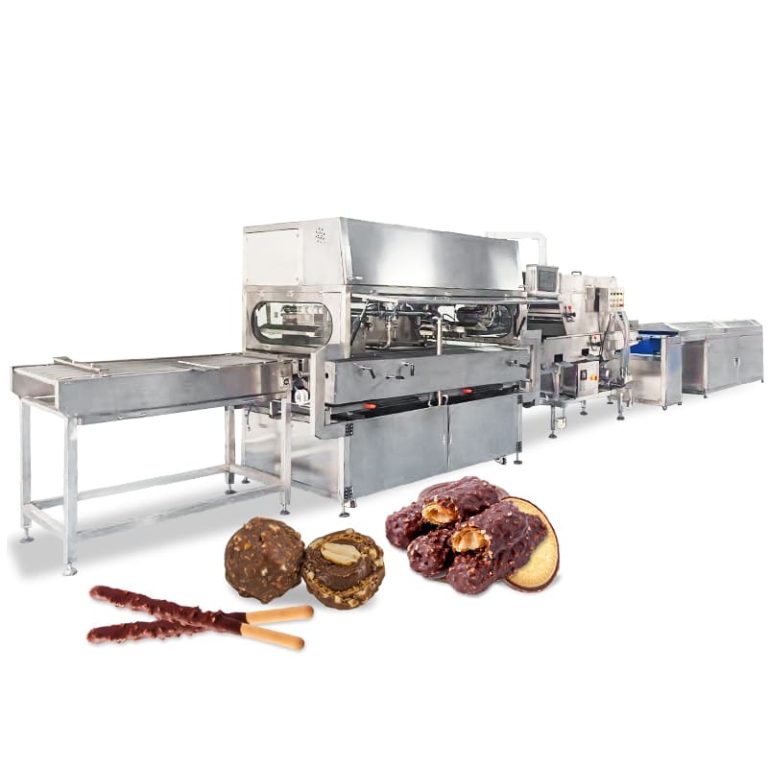
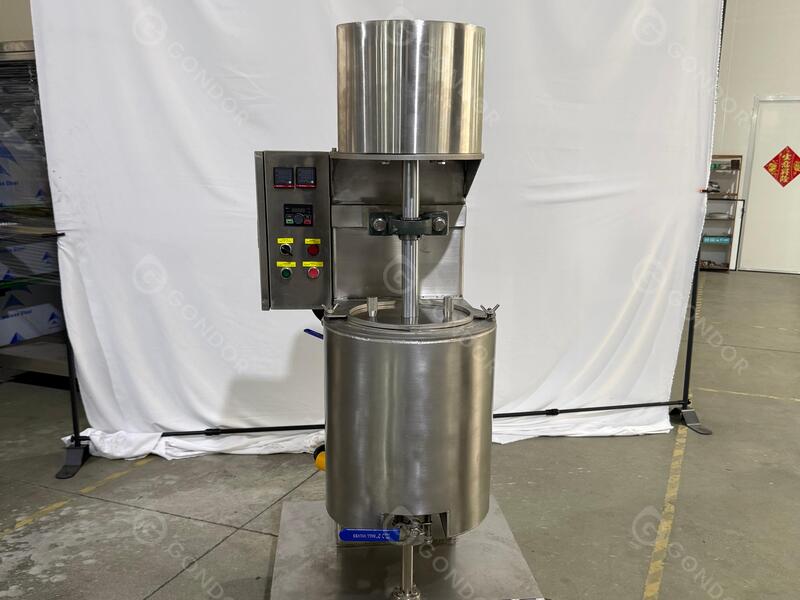
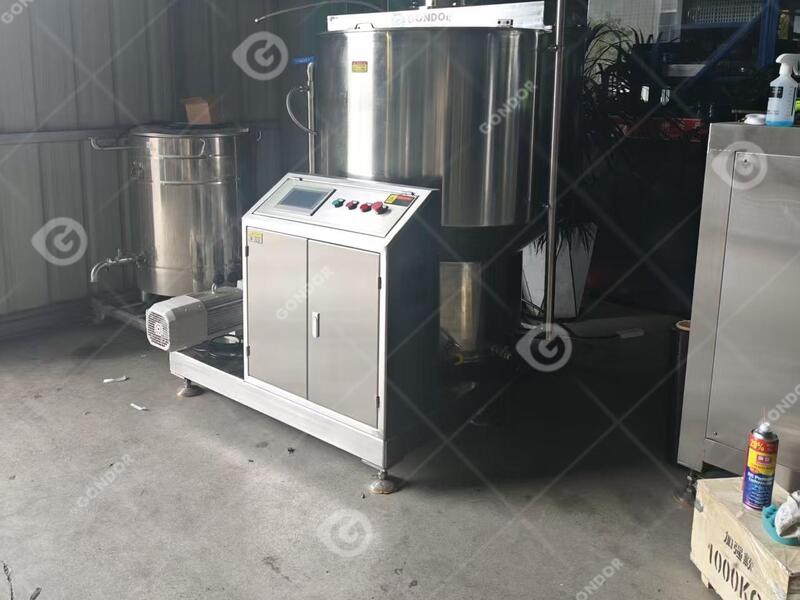
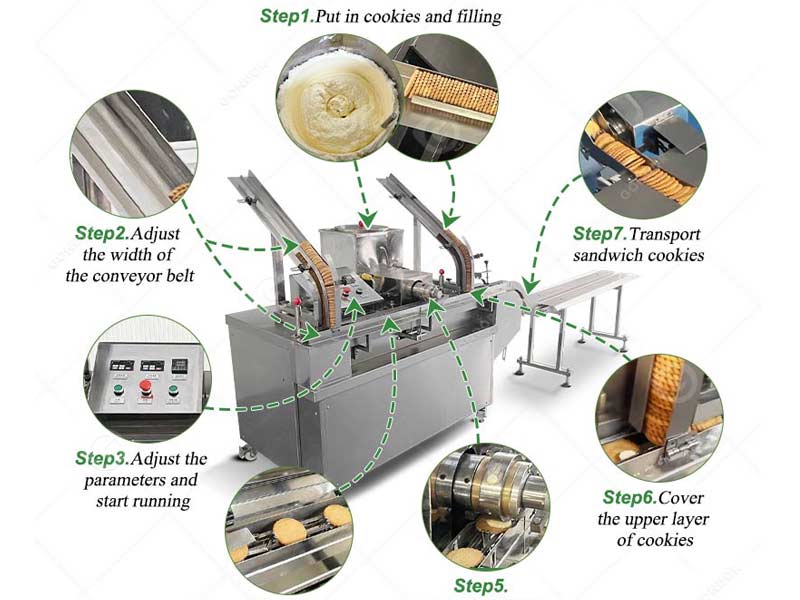
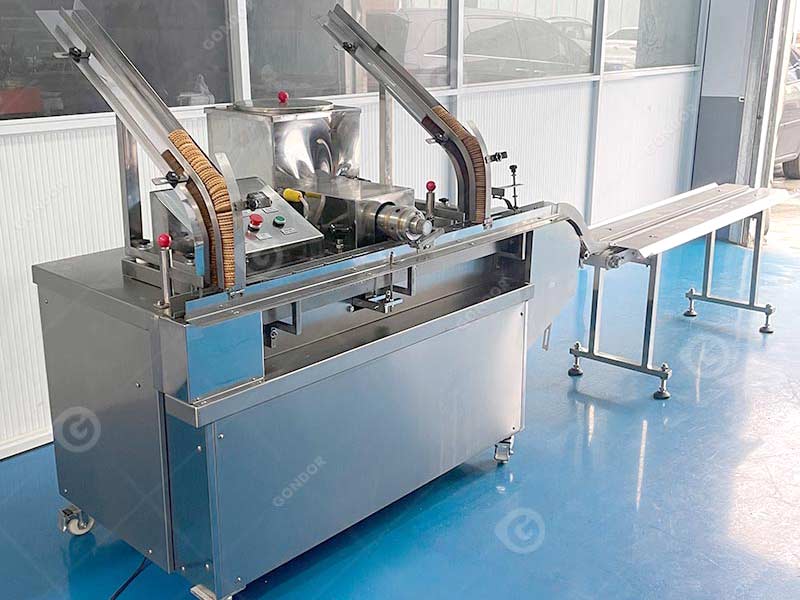
For the production line of sandwich biscuits, the process after cooling is the beginning of a mechanical challenge. Cream biscuit sandwiching machine needs to accurately align biscuits, turn over, inject cores, and cover them. Modern models adopt multi-channel and high-precision pumps to ensure that the stuffing is centered and does not overflow. Among them, the temperature control of stuffing is particularly critical: too high a temperature will lead to overheating of the equipment, and too low a temperature will easily block the pump body. High-end equipment is usually equipped with a jacketed hopper with an independent circulating water system, so that the stuffing is always kept in a stable state of 18–32 C.


Community Insights & Real-World Troubleshooting
To provide practical value, we compiled some of the most highly discussed technical problems from industry forums and answered them using real engineering insights.
Securing a Trustworthy Investment
Investing in food production equipment is essential to establish a long-term operating partnership. Manufacturers who can provide clear English manuals, comprehensive installation training, and quick technical support should be selected. When planning the budget of the whole plant, in addition to the automatic biscuit making machine price, it is necessary to reserve the on-site debugging fee. The production line calibration is completed by professionals in the installation stage, which can avoid subsequent repeated debugging and ensure that your biscuit factory runs efficiently from the beginning.