

Chocolate Manufacturing Machine: From Cocoa Bean to Bar
Most people picture a chocolate manufacturing machine as a jar stirred with brown liquid. When the price is really asked, it is found that the chocolate manufacturing machine is rarely a single machine, but an entire process- starting from beans or starting from cocoa beans- which is completely different. This guide follows this order: at which step the flavor comes into being, why it took longer than everyone expected, and the step that novices often skip and will definitely regret later. There will be ten kinds of equipment that we export, and each one will be placed in its proper position in the process.
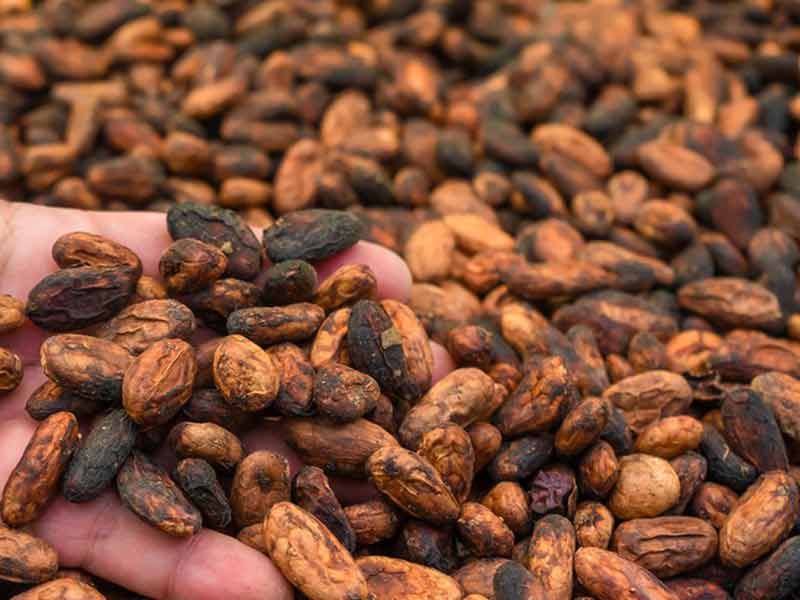

What Counts as Chocolate Processing Equipment?
Strictly speaking, chocolate processing equipment is everything between the roasted bean and the wrapped bar: roasting, cracking, winnowing, grinding, conching, tempering, moulding, cooling and packing.
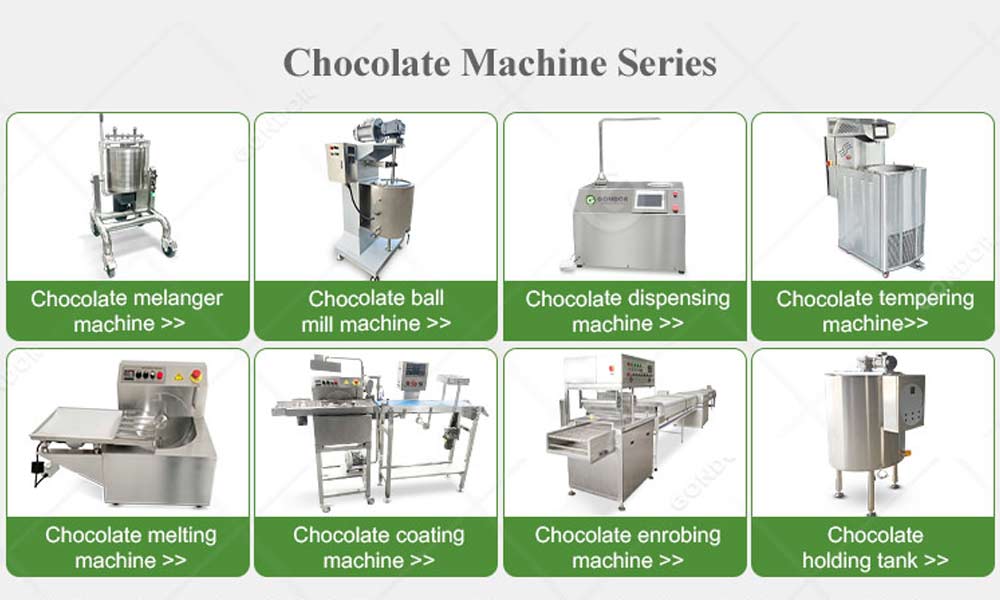
That is a long list, and few suppliers build all of it well. Be careful with “complete line” quotes — ask which units the seller actually makes and which are bought in and rebadged. That answer usually explains the price gap. Two things matter more than the badge: 304 stainless on contact surfaces, and jacketed temperature control after grinding, because cocoa butter changes behaviour within a few degrees.
Bean to Bar, or Melt and Mould?
This is the first question we ask any new customer, and it decides almost everything downstream.
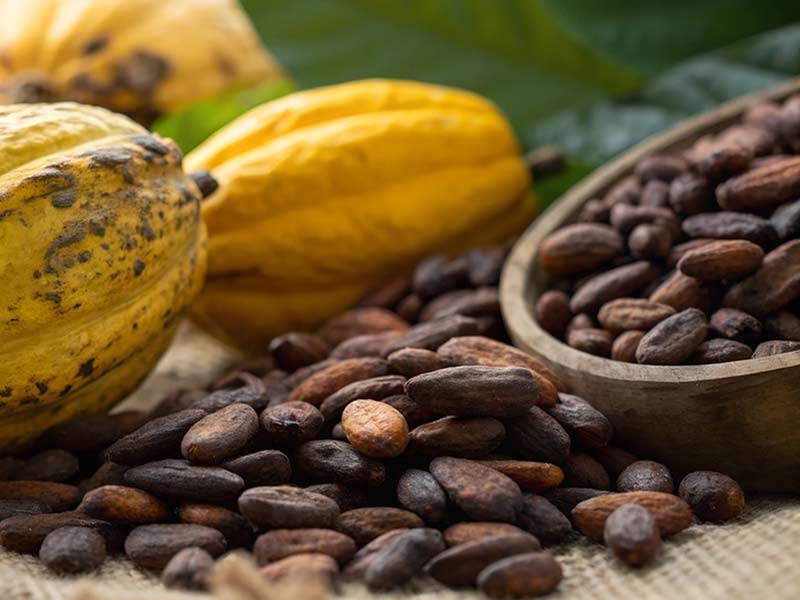
It refers to the whole process from cocoa beans: baking, crushing and winnowing, grinding, refining, temperature regulation, and molding. The investment is large, and the risk of bean quality is also on you, but you also get a story others can’t copy.
It refers to buying Couverture (chocolate that others have already made and refined) and only melting, tempering, and setting. This is the way for the baking factory that coats cookies. It needs only a small amount of equipment, and you can start in a room.
Neither is better. But buying bean-to-bar equipment for a melt-and-mould business is the most common way we watch budgets disappear.

The Workflow, Start to Finish
Grinding: Where Texture Is Won or Lost
The tongue stops feeling individual particles around 20–25 microns. Above that, a bar tastes sandy. Below it, silky. That threshold is why refining equipment exists.
| Method | How it works | Batch time | Fineness | Best for |
|---|---|---|---|---|
| Stone melanger | Granite rollers shear the mass in a basin | 24- 48 h | <25 μm | Bean to bar, flavour first |
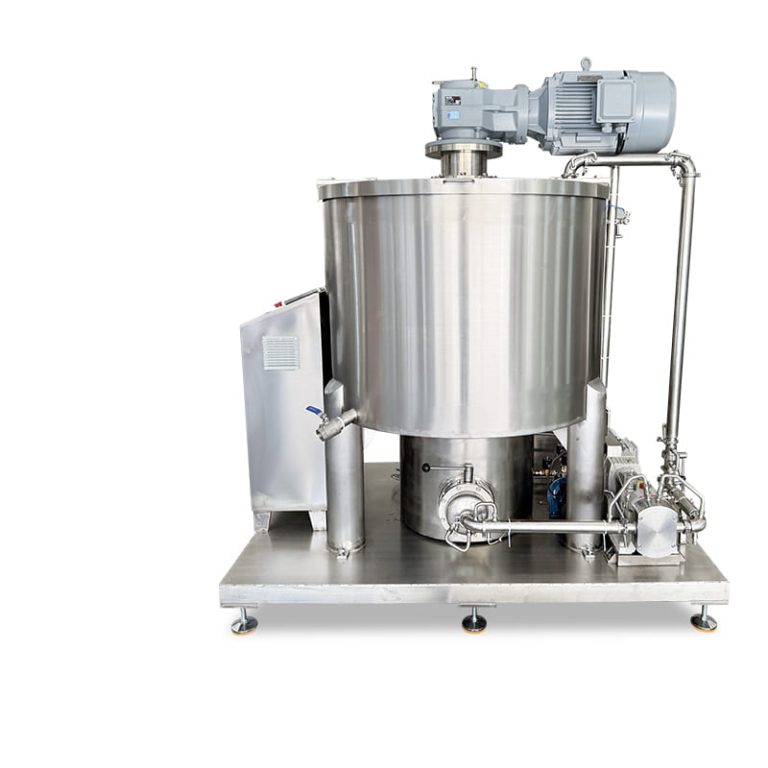
| Ball mill | Steel balls collide in a jacketed chamber; a pump recirculates | 3–4 h | 22- 25 μm | Medium to large output, consistency |
| Five-roll refiner | Five cooled rollers shear the mass under pressure | Continuous | 15–20 μm | Industrial plants |
Tempering: The Step Beginners Get Wrong
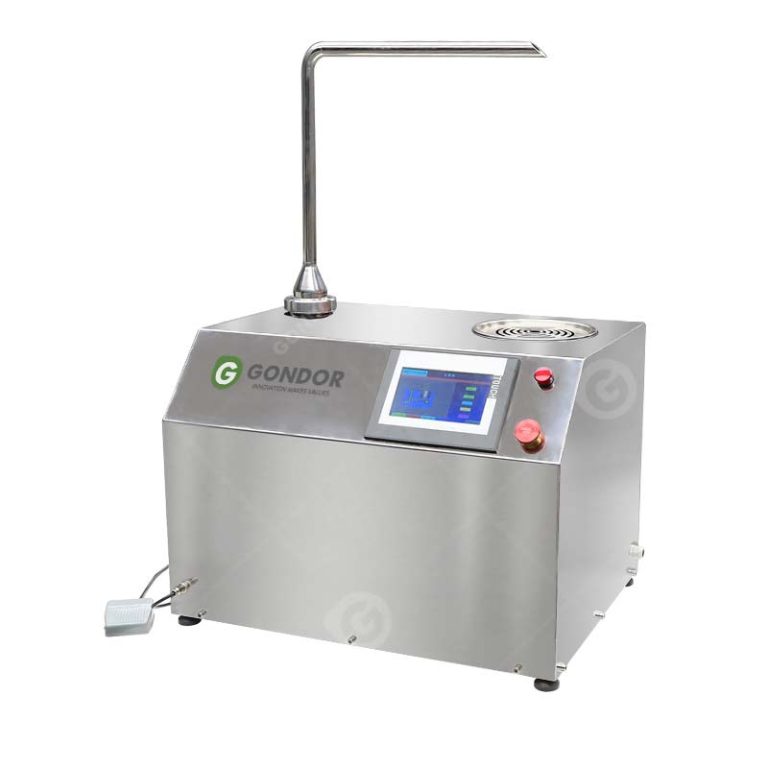
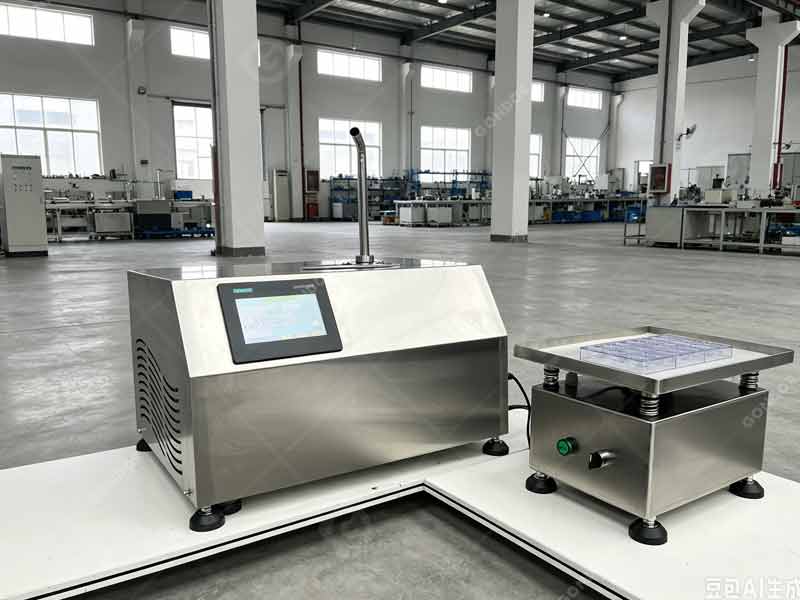
Cocoa butter can form six kinds of crystals, but only β-V crystal can bring luster, a brittle feeling, and frost-free blocks in the warehouse; temperature regulation is used to select this crystal by controlled temperature rise and fall. The curve is simple to say and picky to run: first, it completely melts to 45–50 °C, then drops to 27–28 °C, and then returns to 31–32 °C in dark chocolate or 29–30 °C in Milk chocolate; If you don’t get the middle part right, you’ll get a bunch of soft, gray-striped rows in two weeks. It’s also worth knowing that cocoa butter chocolate made with vegetable oil instead of cocoa butter doesn’t need tempering at all-if a supplier tells you that a tempering machine is optional, make sure what kind of chocolate you are making first.
After Tempering: The 4 Key Stages
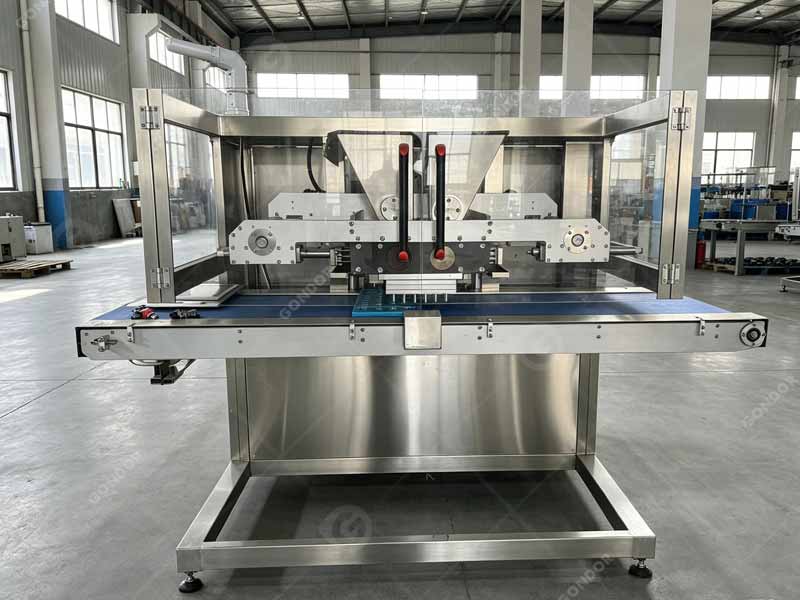
Selection Points: The number of nozzles matches the number of mold cavities; The hopper capacity shall be 8L/20L/30L as required; The quantitative accuracy of the servo piston is ±0.1g; supports 220V single-phase or three-phase power supply; Compatible with polycarbonate, silica gel, and metal molds.
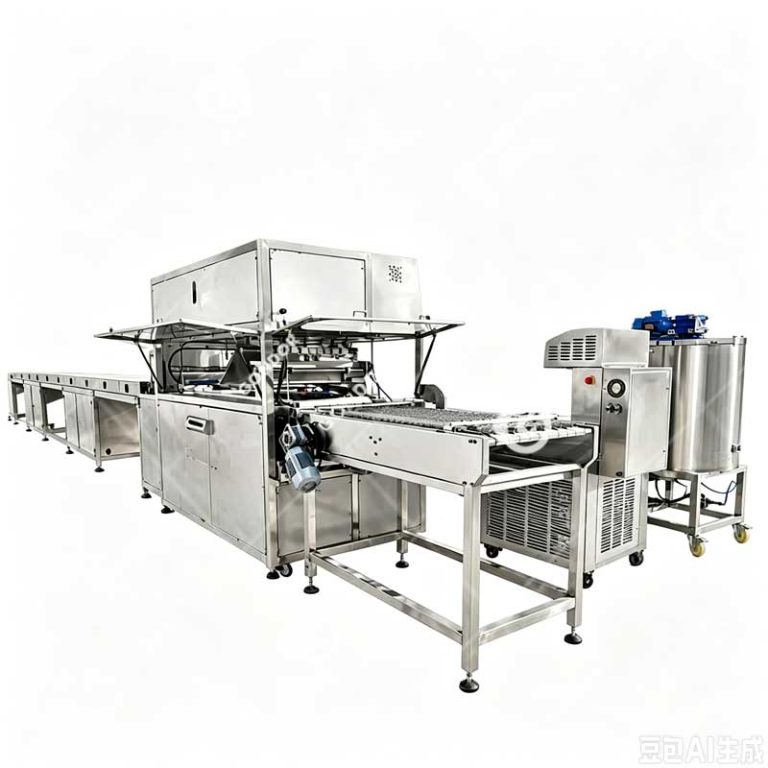
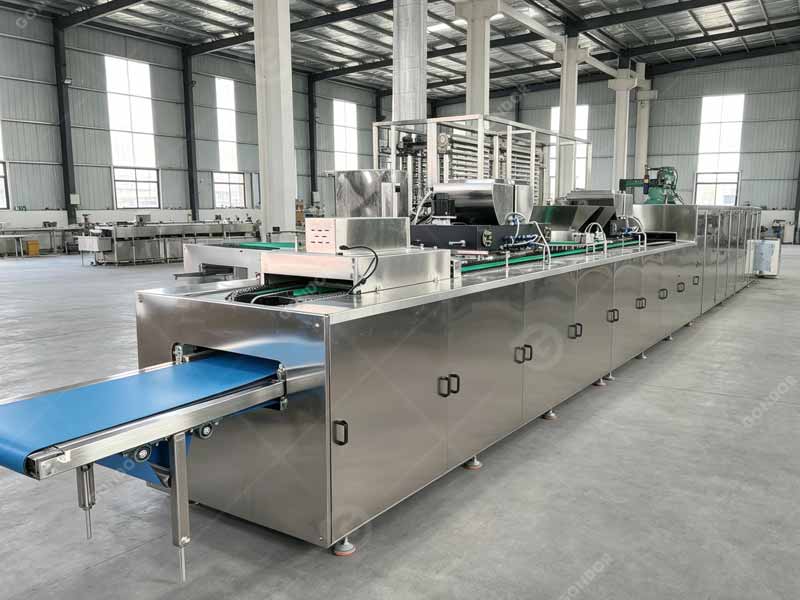
Key Points of Type Selection: Tunnel length matches production line speed; Conventional temperature control range 0-8℃; Matching of conveyor belt width, running speed and pouring machine capacity; Priority is given to the integrated scheme that can be matched with pouring equipment.
Note: most of the difficulties in demoulding are not equipment problems, and the root cause is often that the upstream temperature regulation is not up to standard and the mold cleaning is not in place.
Selection Points: The speed of the packaging machine should match the front-end demoulding capacity; For multi-SKU production, the model with quick change is preferred.
Ten Machines Worth Knowing
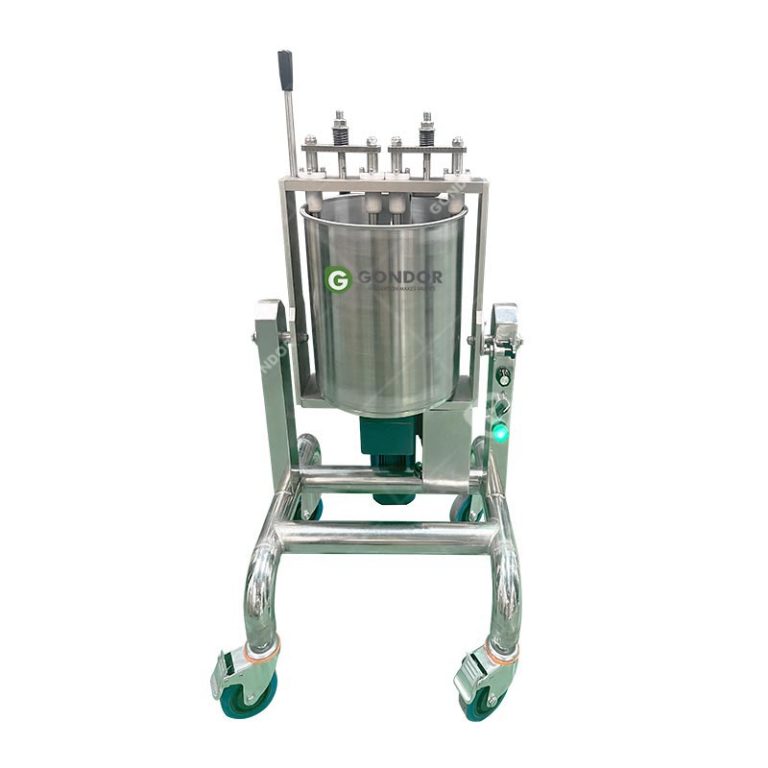
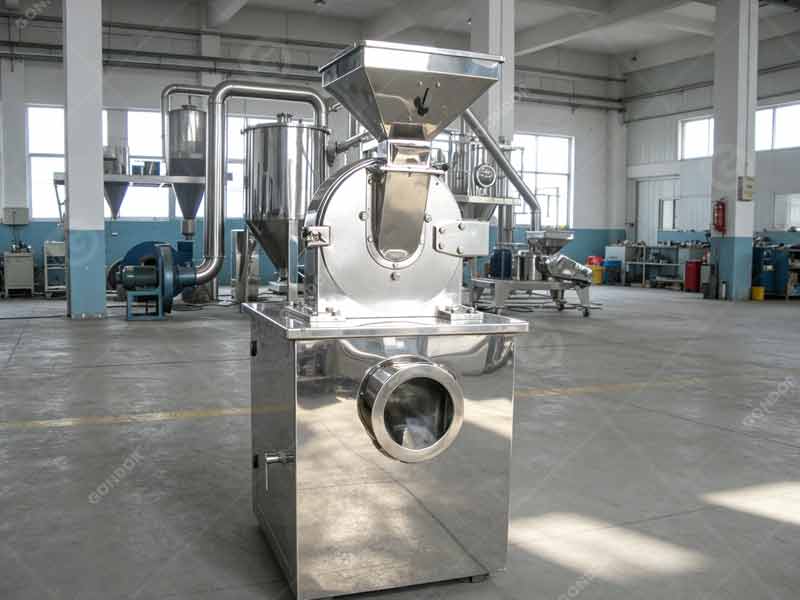
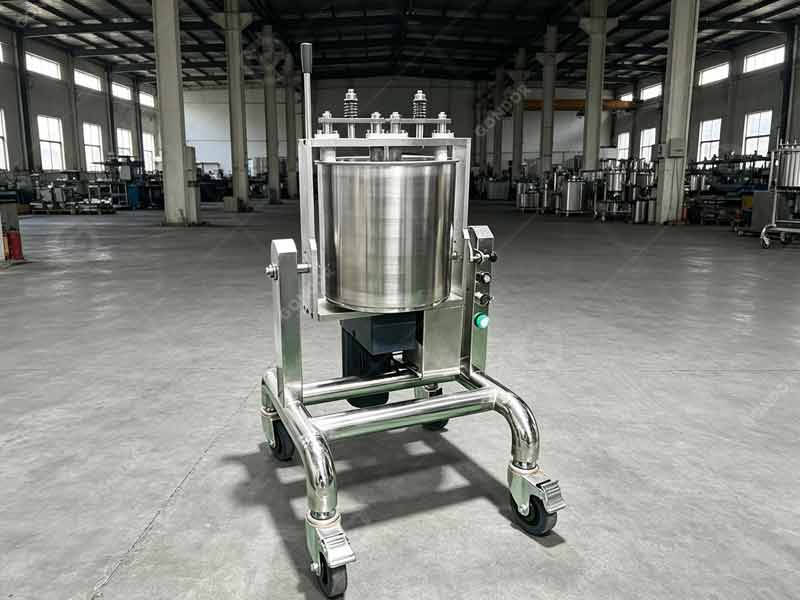
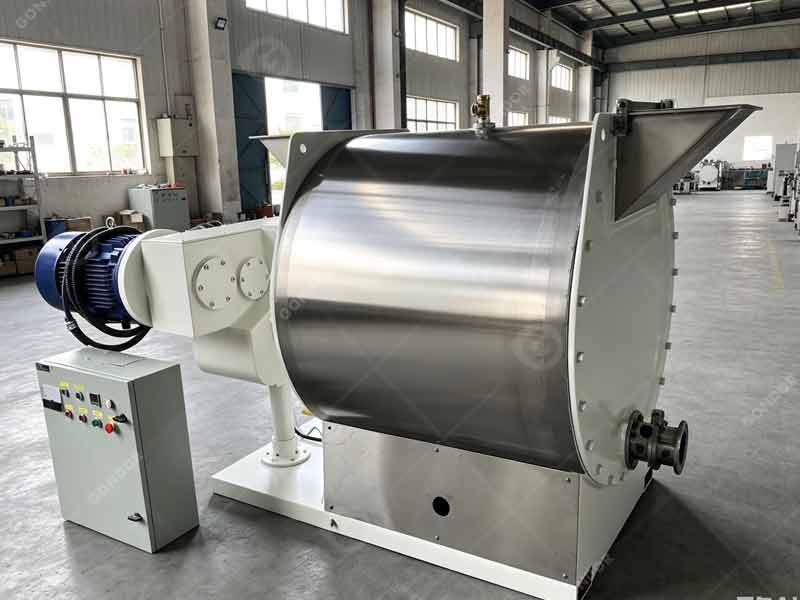
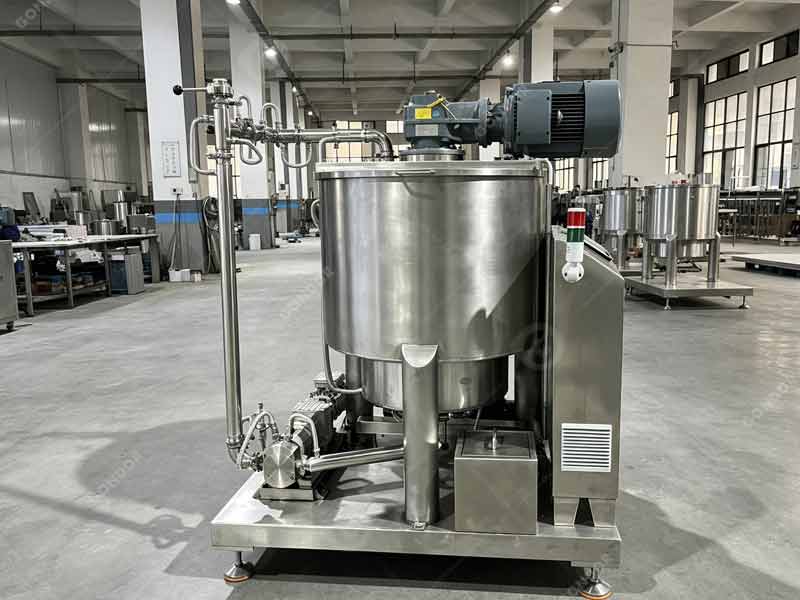
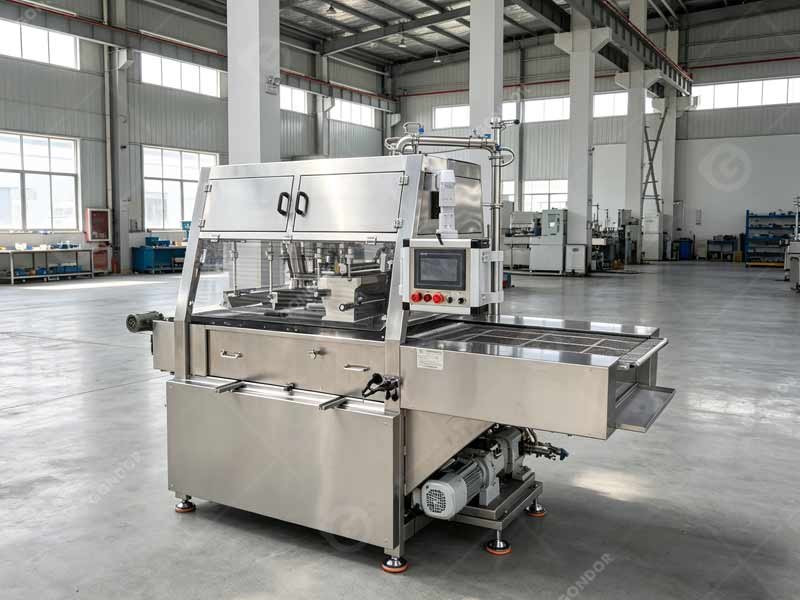
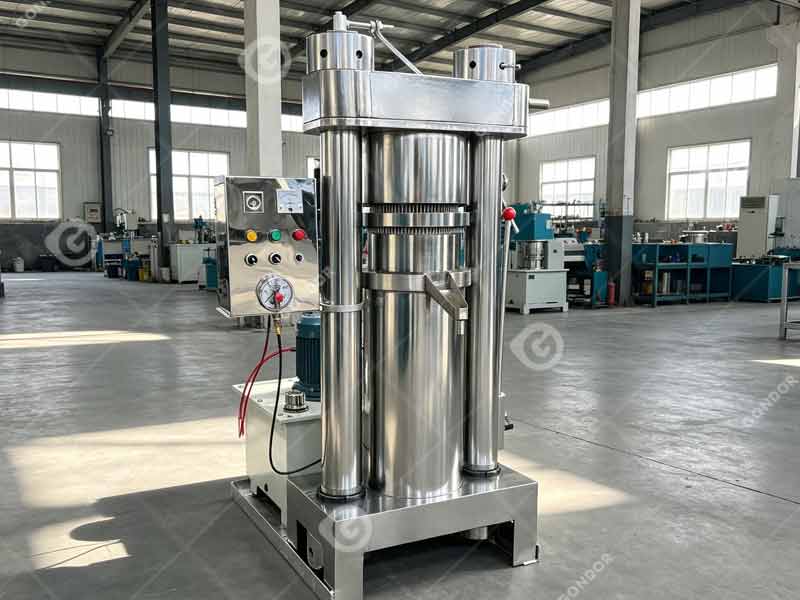
These are the machines we ship most often, in process order. Figures are for orientation: capacity, voltage, and moulds are all configurable.
Frequently Asked Questions
Not always. A melanger refines and does some flavour work; a conche does flavour and viscosity properly. Small makers run a melanger, then a short conche. Large plants refine in a chocolate ball mill machine and conche separately. For premium dark chocolate, you want both.
Two things have to happen slowly: volatile acids need time and air to escape, and every particle needs coating in fat. Rush it with heat, and you get flat, sharp chocolate. Much of the taste gap between a supermarket bar and a craft bar is conching time.
Around 20–25 microns for most products; past 30, most people feel grit. You do not need a lab — rub a little against the roof of your mouth. If you feel anything, keep grinding.
Yes, if you are buying couverture rather than making chocolate from beans. That is how most bakeries begin, and a sensible way to prove demand before buying grinding equipment.
It makes a food-grade cocoa paste at 20–30 microns, and it is cheap. But it cannot do the flavour work of conching — no aeration, no long residence time. Fine for fillings, not for a bar sold on texture.
Where to Start
Chocolate processing line is not the target. A crispy, shiny, tasteful steak that can be seen on the shelf for three months-that’s the goal. Push it backwards: first set the route, then set the grinder, then set the refiner, and finally set the temperature regulator. The order is wrong, and no amount of money can be paid back later. Tell us what you want to do, how much you want to do, and what electricity is available in the factory-our engineers will first outline the complete process flow for you, and then recommend the most matching equipment configuration to ensure that every investment falls in the right position.