Upgrading Needs of a Chocolate-Coated Biscuit Factory
In this era of consumption upgrading, chocolate is no longer just a symbol of sweetness; consumers have higher demands for the appearance, taste, and consistency of chocolate. Especially for products like wafers, meringue bars, cookies, and dried fruit products, a uniform, smooth, and stable chocolate coating is key to enhancing product value.
In 2025, we received an inquiry from a medium-sized Indian baking factory: they specialize in “chocolate-coated cookies/sandwich cookies.” Previously, they used a semi-manual coating method combined with air cooling, which resulted in uneven coating thickness, poor chocolate adhesion at the bottom, and slow cooling leading to surface discoloration. With increased orders during peak season, labor and rework costs rose rapidly. The client wanted to introduce a stable chocolate coating machine to achieve continuous production and reserve space for future expansion.
Bottlenecks of Manual Coating
The Indian baking factory initially focused on high-end handmade cookies and wafers. In the early stages of brand building, the products were marketed as “handmade.” However, as order volume increased, the traditional manual coating method proved inadequate.
“Back then, workers could only process a few hundred cookies a day,” the biggest problem was efficiency and consistency in quality. Some coated the cookies too thickly, others too thinly, resulting in inconsistent product appearance. Furthermore, chocolate waste was severe, as large amounts dripped onto workbenches and container edges, making recycling impossible.
To ensure the product’s commercial viability, they had to find a solution that could achieve high-precision, automated production.
The three most prominent issues identified in the videos provided by our client were:
During our discussions, we also focused on confirming the client’s on-site conditions: power supply specifications, site length, target product size and production capacity, and whether an automated packaging line would be integrated.
Solution Selection: Matching Capacity and Site Requirements
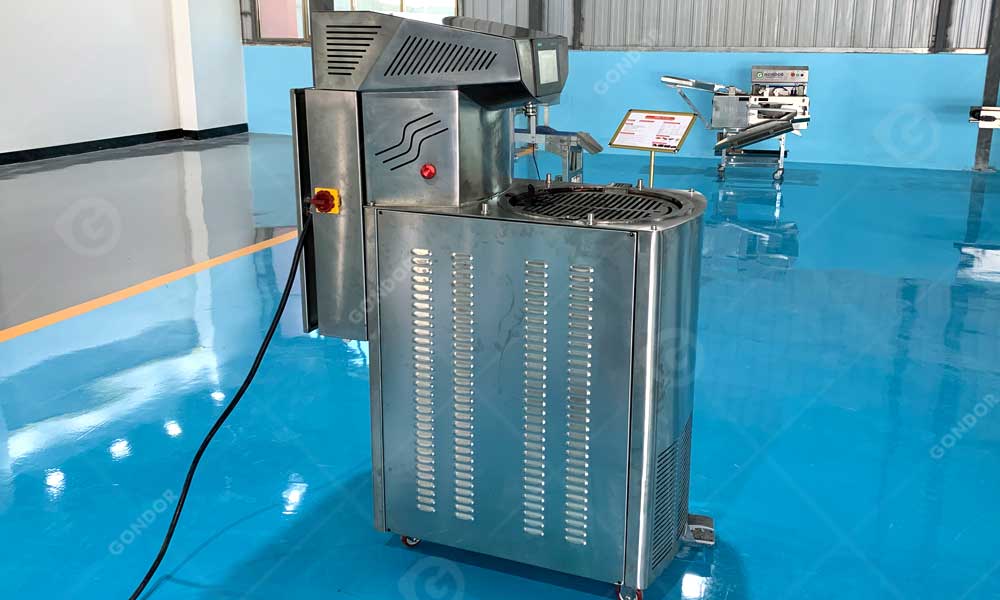
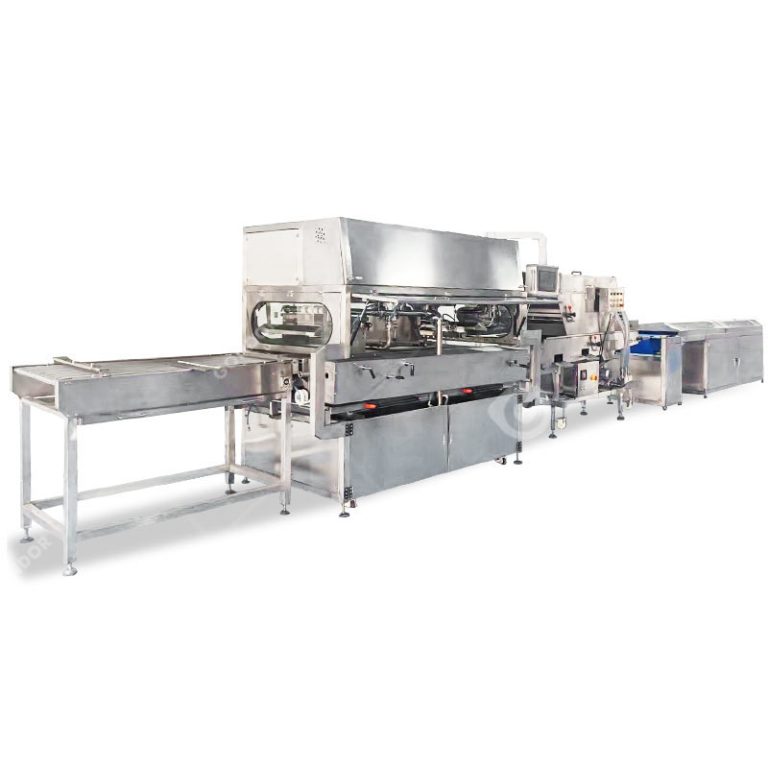
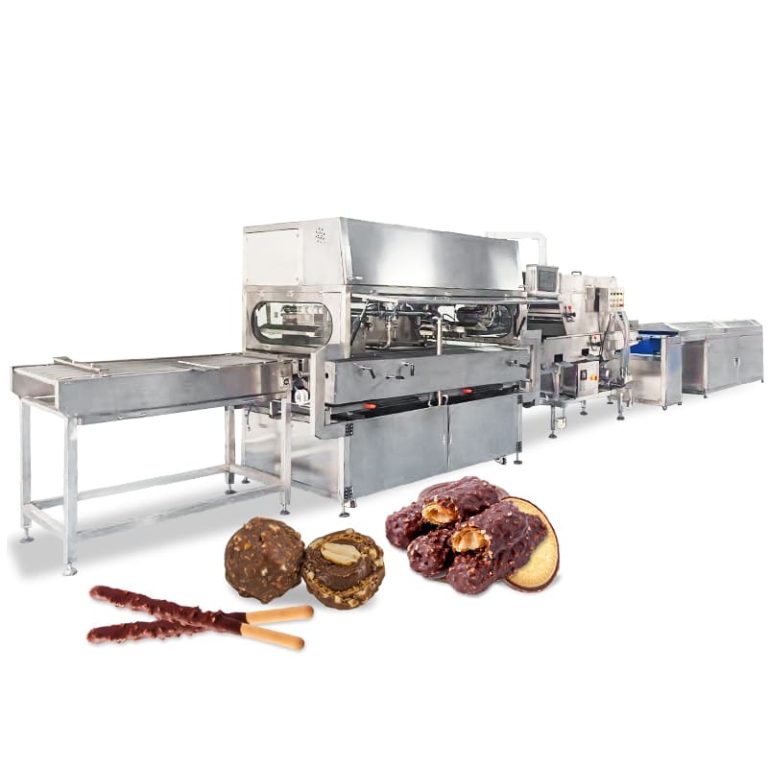
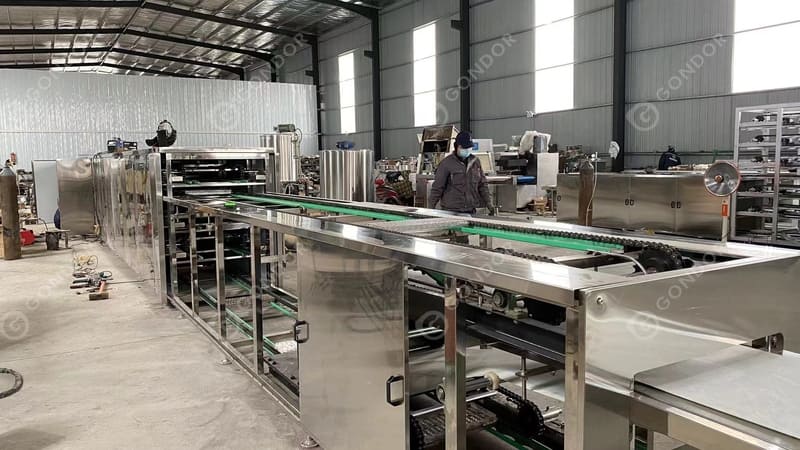
Based on the customer’s capacity plan and factory layout, we recommend a medium-sized configuration of the Gondor chocolate coating machine (e.g., GD50): adjustable conveyor speed (0–10 m/min), chain/mesh belt widths covering the needs of medium-sized production lines, and a longer cooling tunnel for stable curing. This series is available in different specifications: GD-12 / GD50 / GD500, with corresponding different mesh belt widths and cooling tunnel lengths (e.g., 40cm/60cm/90cm, 6m/15m/18m).
Furthermore, based on the customer’s product characteristics, we emphasized three key capabilities:
- Adjustable coating thickness, facilitating quick switching between “thin and brittle coatings” and “thick coatings.”
- Cooling tunnels can be configured from 6–18m to adapt to different environments and production cycles, reducing the risk of surface discoloration and adhesion.
- The main body of the equipment is made of stainless steel and features a food-grade structural design, facilitating cleaning and maintenance and meeting the customer’s hygiene audit requirements.
One-click stable operation from “feeding—coating—cooling—discharging”
After the equipment arrived at the factory, we conducted joint debugging according to the customer’s existing production line rhythm, allowing products to be conveyed in a row from upstream into the coating area:
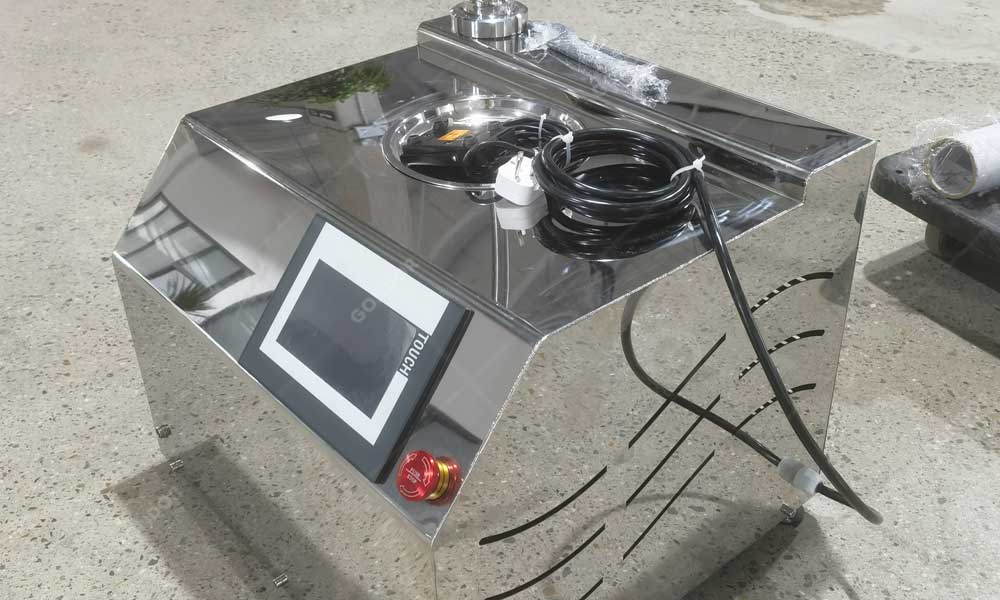
After the products automatically enter the coating area, the operator sets the coating thickness, running speed, and cooling temperature on the touch interface;
The heated chocolate is evenly covered by a spray/coating structure;
Then it enters the cooling tunnel for rapid curing, and after discharging, it is directly connected to the packaging section.
During the trial run, we also assisted the customer in establishing standard operating procedures for “recipe/flavor changes”: how to quickly find the optimal appearance point by combining conveyor speed and coating parameters under different chocolate viscosities and temperature windows, thereby reducing trial and error costs.
Why choose Gondor: Scalable coating system supporting medium to large production lines
For customers like this who are “moving from semi-automation to continuous operation,” the scalability of the equipment is particularly important. Gondor chocolate coating machines offer a range of sizes from small to large, with options for selecting the appropriate conveyor belt width and cooling tunnel length based on product form and production capacity.
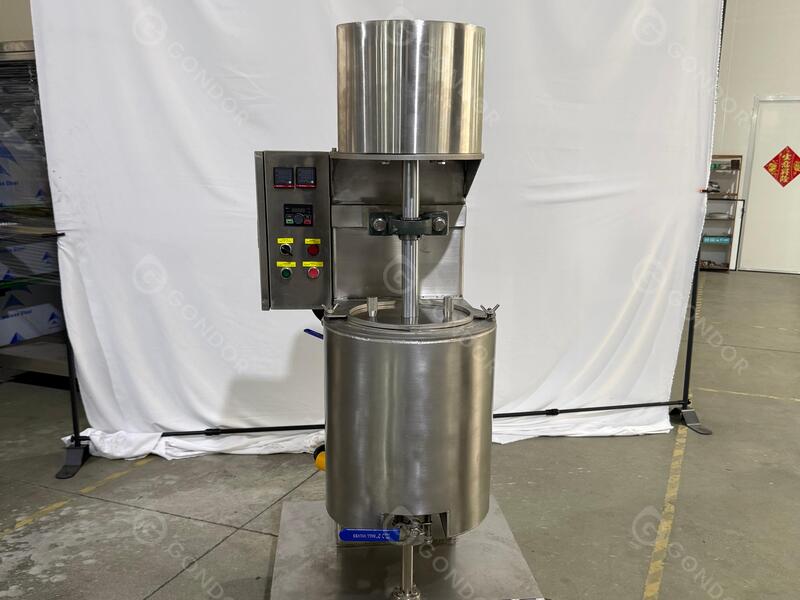
They also support integration with grinding, temperature control, and other front-end equipment to create a more complete chocolate processing solution.
Transforming “Chocolate Coating” from a Technological Challenge to Stable Production Capacity
The value of chocolate coating goes beyond just “better appearance”; it’s a key factor in increasing product premium, reducing rework, and ensuring stable delivery.
If you’re also producing chocolate-coated cookies, nuts, candies, or frozen snacks and are looking to achieve continuous production, improve consistency, and allow for future expansion, we can recommend more suitable configurations and cooling solutions, such as the GD-12, GD50, and GD500, based on your product size, target capacity, and factory length.