

Chocolate quality depends on precise control at every step—from melting and refining to tempering, molding, cooling, and packaging. To help you understand how a complete chocolate production line works and what it can produce, the sections below explain the process, product range, raw materials, temperature control, customization and maintenance.

What Is the Process of a Chocolate Production Line?
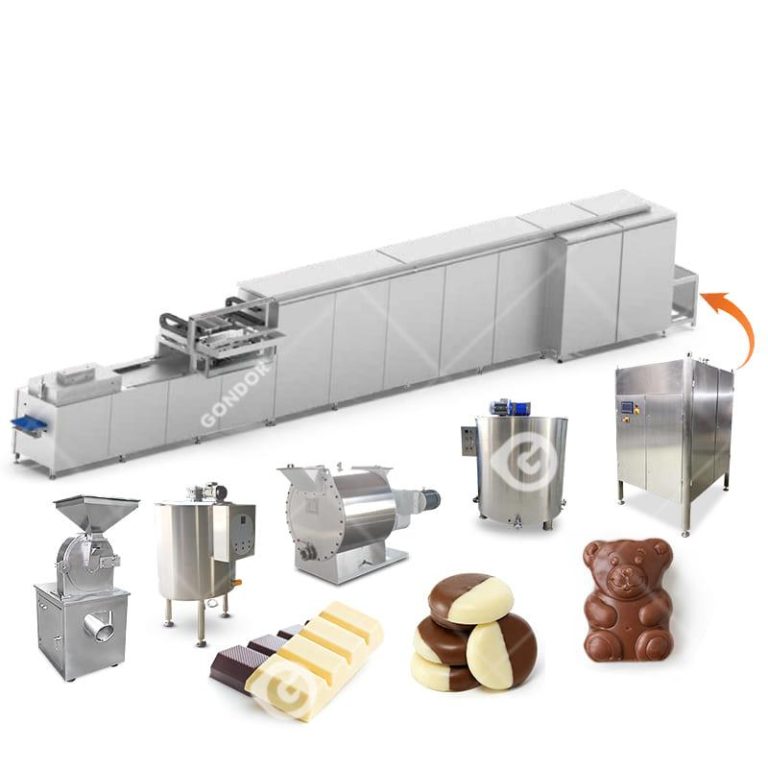
The chocolate production line adopts a continuous and automated design, creating a complete workflow from raw material preparation to final packaging. This ensures efficient, stable, and standardized chocolate manufacturing.
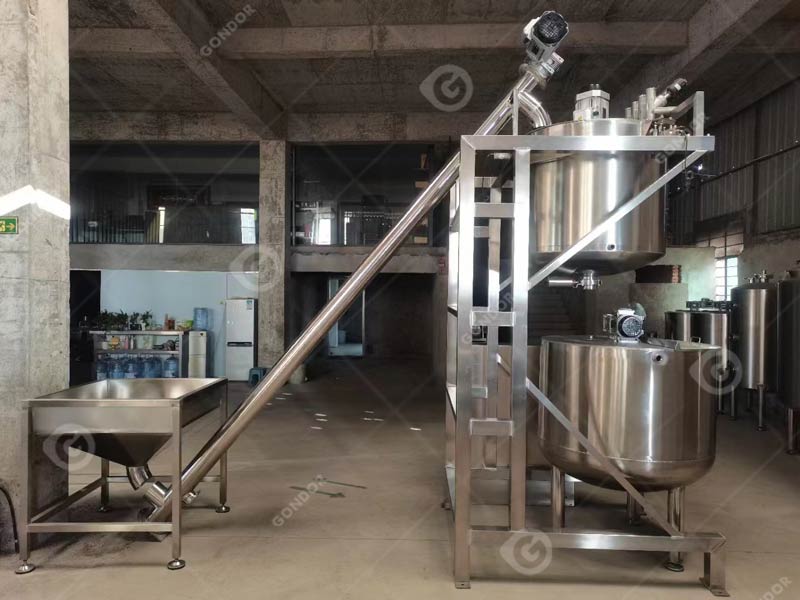
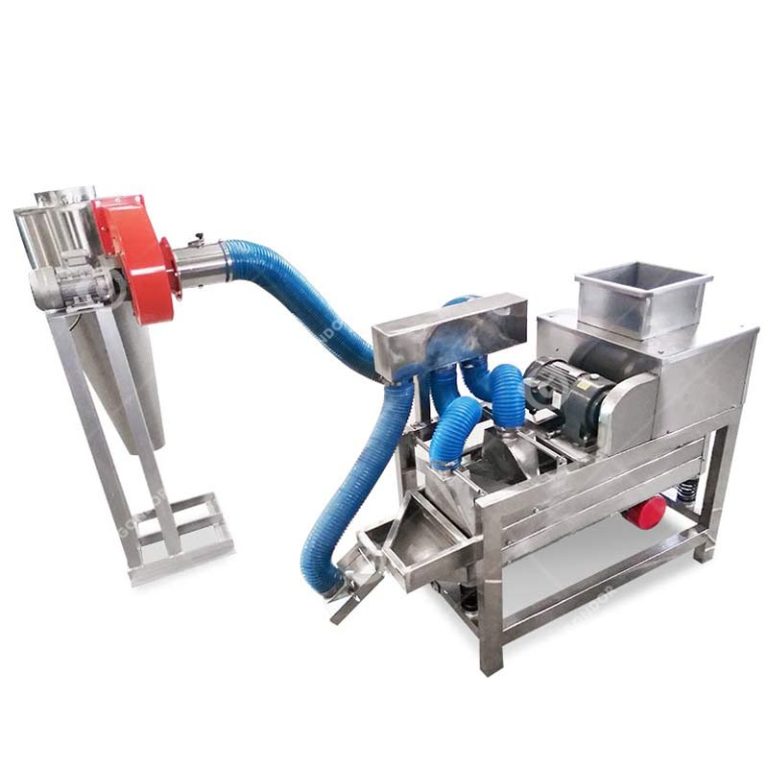
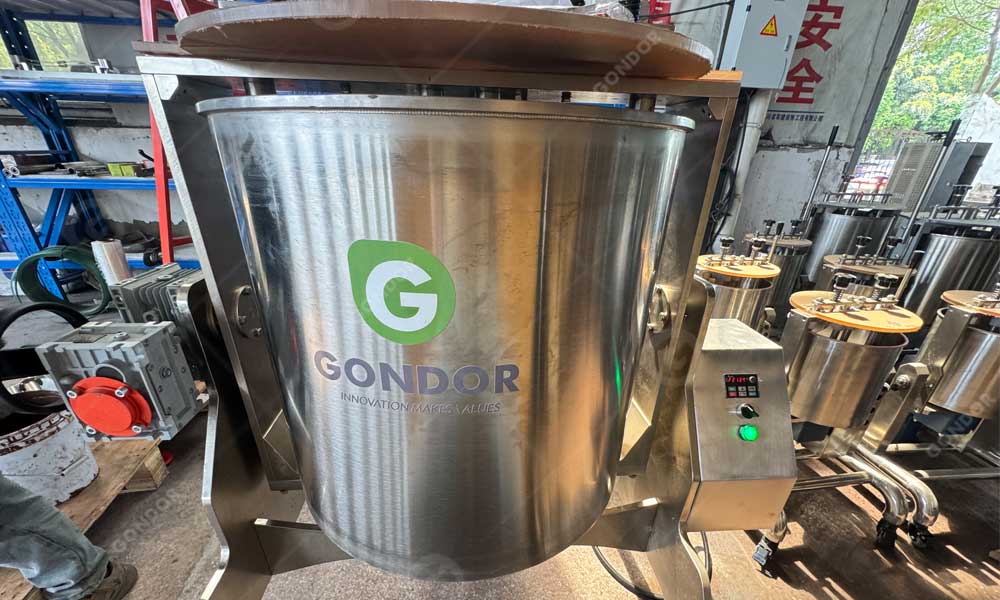
First, cocoa butter is melted while sugar is finely ground, bringing the ingredients to the proper fluidity and particle size for mixing. The mixture then enters the refining stage, where thorough grinding and blending make the chocolate paste smoother and more uniform, improving texture and taste.
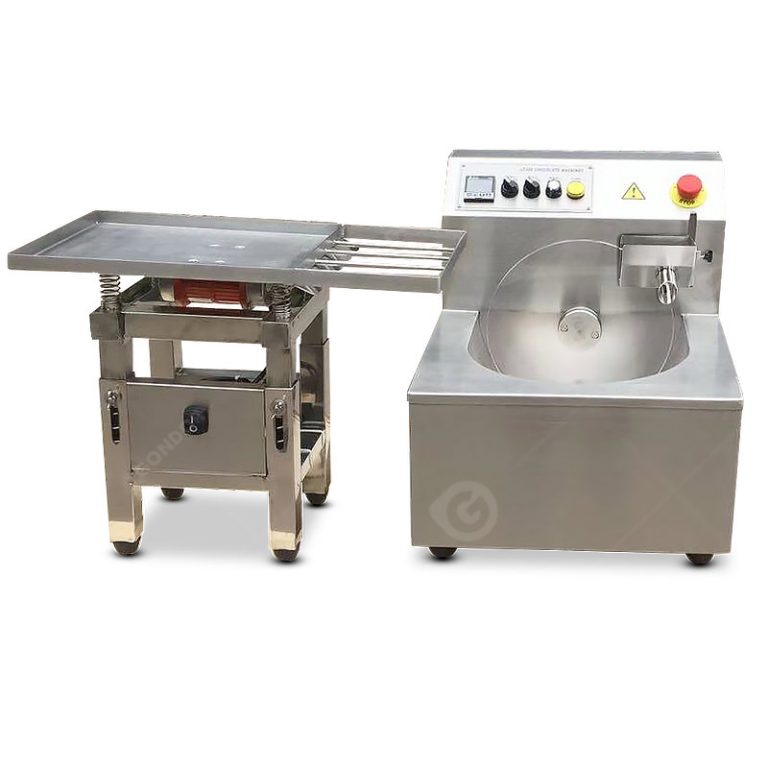
Next, the chocolate mass is transferred to a holding and insulation system to maintain a constant temperature, preventing fat separation and ensuring a stable, continuous supply. It then moves to the critical tempering process, where precise heating and cooling form stable cocoa butter crystals, giving the chocolate a glossy surface, pleasant snap, and excellent molding performance.
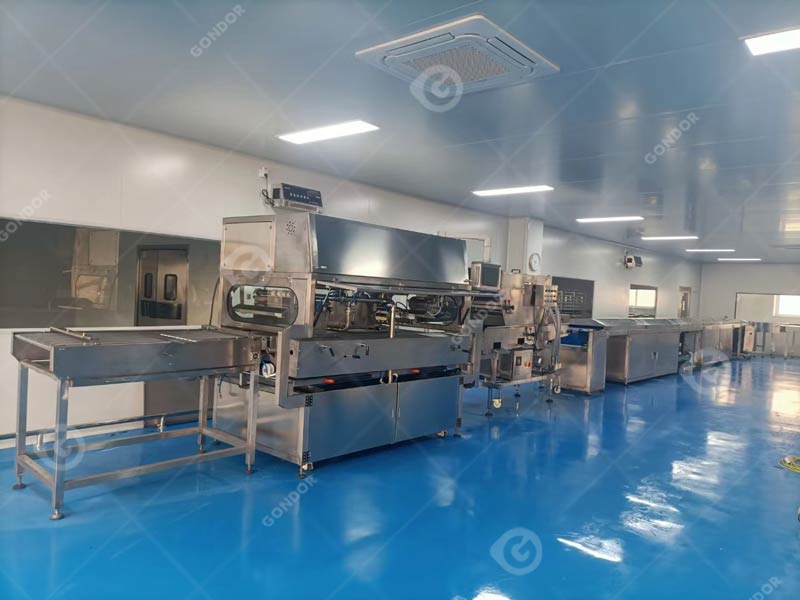
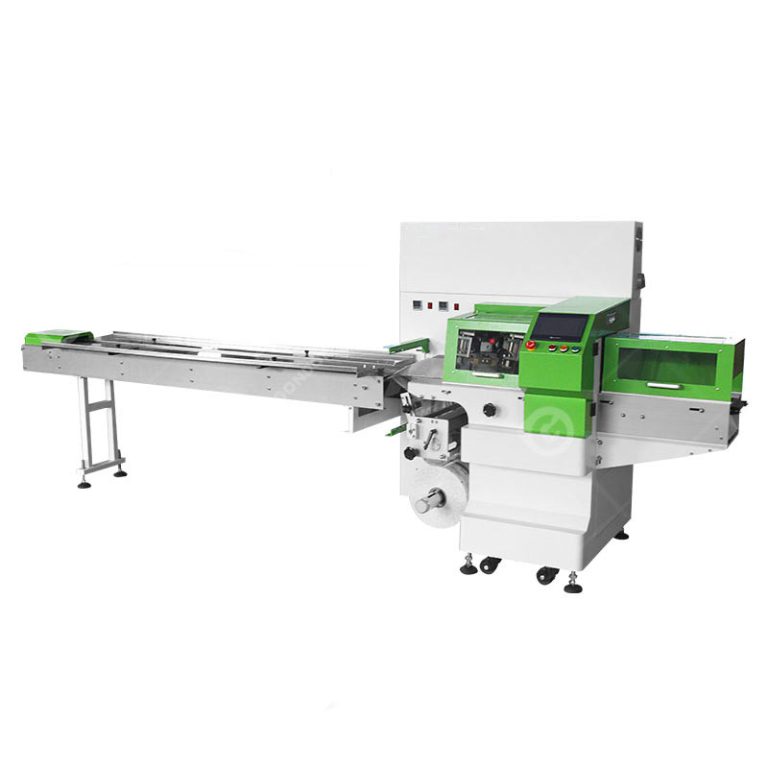
After tempering, the chocolate enters the depositing and molding section, where it is shaped into bars, blocks, or various custom forms using different molds. The products are then rapidly cooled in a cooling tunnel, followed by demolding and automatic packaging, resulting in finished chocolates with consistent quality and attractive appearance.


What Products Can the Automatic Chocolate Making Machine Line Make?
From classic chocolate bars to creative molded shapes, the line helps you produce consistent, attractive chocolates for retail and factory production.
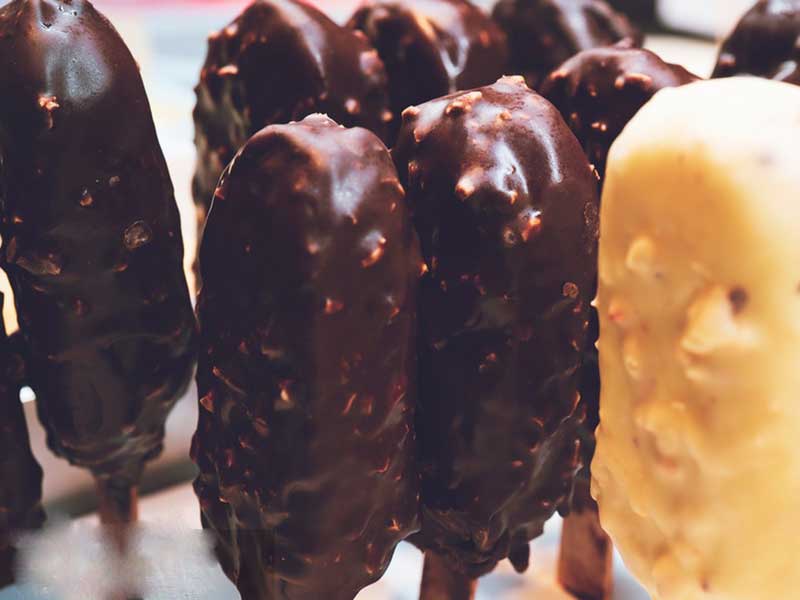
The line can produce a variety of chocolates such as pure chocolate, filled chocolate, two-color chocolate, chocolate bars, and coated chocolate products, including multi-shape molded chocolates (hearts, animals, squares) with smooth surfaces and stable output.


What Raw Materials Can This Production Line of Chocolate Process?
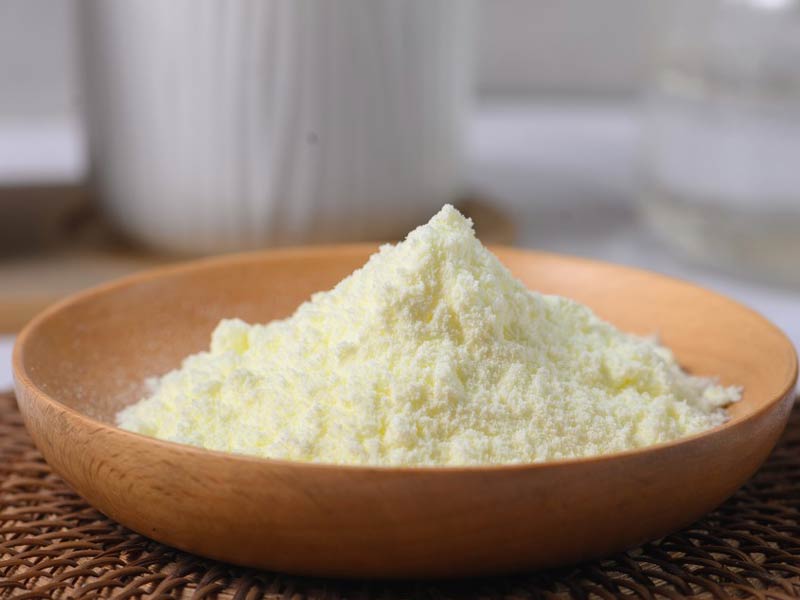
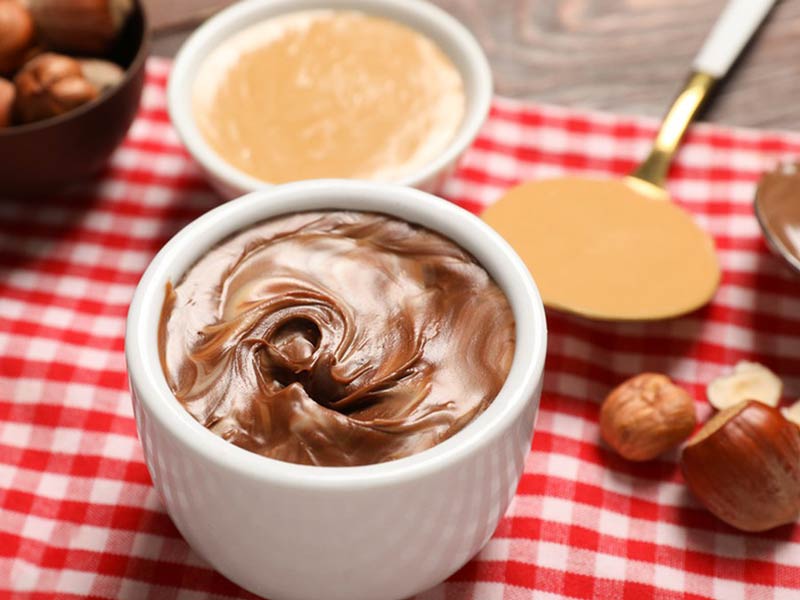
This chocolate making production line is compatible with a variety of common chocolate ingredients, meeting production needs from basic recipes to multi-flavor upgrades, including: cocoa butter, cocoa liquor, powdered sugar, milk powder, and other basic ingredients; it also supports the addition of chopped/granulated nuts (such as almonds, hazelnuts, peanuts), cocoa powder, natural vanilla/flavoring, dried fruit pieces, cereal crumbs, and other ingredients to create chocolate products with different flavors and textures.


How Is the Temperature Controlled During the Production Process?
The equipment is equipped with an intelligent automatic temperature control system that precisely regulates and monitors the heating, holding, and cooling stages. By maintaining a stable temperature curve throughout the process, the chocolate forms a consistent crystal structure, resulting in a smoother surface, brighter gloss, and more uniform texture and appearance.
Do I Need a Cooling Tunnel?
In most commercial chocolate production lines, a cooling tunnel is strongly recommended to ensure consistent product quality and stable output.
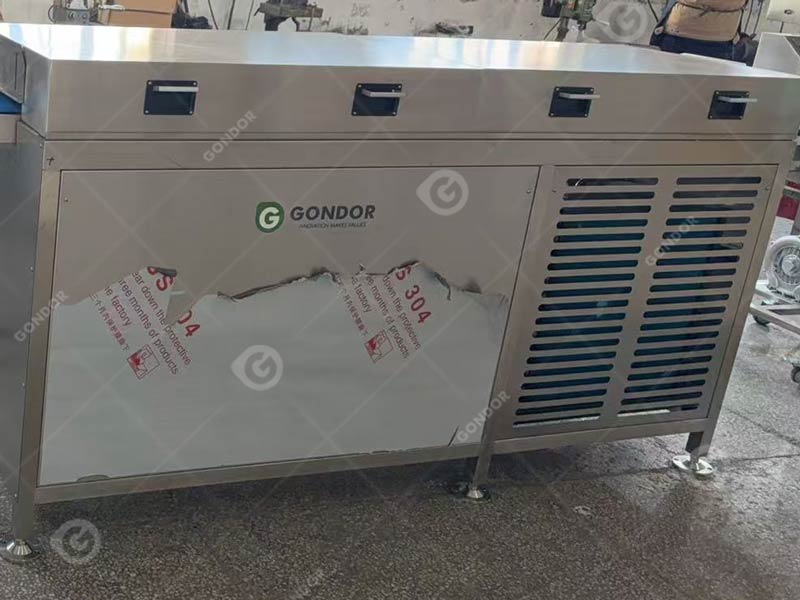
After molding or enrobing, chocolate must cool down under controlled temperature and airflow conditions to form a stable crystal structure. A cooling tunnel helps solidify the chocolate evenly, prevents deformation, improves surface gloss, and ensures clean demolding.

Can the Chocolate Production Line Be Customized?
Yes. We provide customized design solutions based on your actual production requirements. The line can be flexibly configured according to your target capacity, factory layout, chocolate types (molding, enrobing, filled, two-color, etc.), and preferred automation level.
With a modular design approach, the production line can also be upgraded or expanded in the future, helping you build a more efficient and practical chocolate manufacturing solution.
How to Clean and Maintain the Chocolate Bar Production Line?
The chocolate production line is designed for easy cleaning and routine maintenance to ensure hygiene, stable performance, and long service life.
After production, clean all chocolate-contact parts with warm water or food-safe cleaning solutions to remove residual chocolate and sugar. Key components such as tanks, pipes, molds, and conveyors can be quickly disassembled or accessed for thorough washing. Regularly wipe surfaces, check for buildup, and keep the system dry before the next batch.
For maintenance, inspect moving parts, lubricate bearings and chains, and check temperature control and electrical systems periodically. Proper daily cleaning and scheduled maintenance help maintain consistent product quality and reduce downtime.
What Is the Difference Between Chocolate Enrobing and Chocolate Coating/Dipping?
Chocolate enrobing and chocolate coating/dipping are both methods used to cover products with chocolate, but they differ in automation level, consistency, and production efficiency
Chocolate enrobing is an automated industrial process. Products pass through a continuous curtain of flowing chocolate on a conveyor belt, ensuring even coverage on the top, bottom, and sides. It provides uniform thickness, clean appearance, and high efficiency, making it ideal for large-scale production lines such as biscuits, wafers, bars, and snacks.
Chocolate coating or dipping is usually a manual or semi-automatic method. Products are dipped or sprayed individually into melted chocolate. While it is flexible and suitable for small batches or handmade products, the coating thickness and finish may be less consistent compared to enrobing.
In short, enrobing is better for high-speed, continuous manufacturing, while dipping is more suitable for small-scale or artisanal production.
Get a Customized Quotation from Gondor Machinery
At Gondor Machinery, we specialize in providing reliable and efficient chocolate production line solutions tailored to your specific needs. Whether you are starting a new factory or upgrading your existing equipment, our team can recommend the most suitable configuration to match your capacity, layout, and product types.