In a studio filled with the aroma of cocoa in the suburbs of Melbourne, Sarah is running her handmade chocolate brand – “Cocoa Artisan”. Sarah is a chocolate maker who has an almost obsessive pursuit of cocoa bean quality. She insists on using cocoa beans from a single origin and employs the traditional stone-grinding process.
However, as the brand’s popularity increased, Sarah encountered the same bottleneck that all handmade entrepreneurs face: the struggle between production volume and quality.
“Chocolate is alive, and tempering is the process that gives it a soul,” Sarah explained. In the past, she had been using the traditional marble slab tempering method, where she repeatedly stirred the chocolate mixture with a spatula to control the crystallization. Although this method had a strong sense of ceremony, its drawbacks were obvious:
The efficiency is extremely low
it can only process less than 2 kilograms of chocolate at a time, and the productivity is insufficient.
Affected greatly by the environment
The variable weather conditions (humidity and room temperature) in Melbourne often result in failure to regulate the temperature.
To handle the Valentine’s Day orders, Sarah had to stand continuously for 8 hours without stopping to stir.
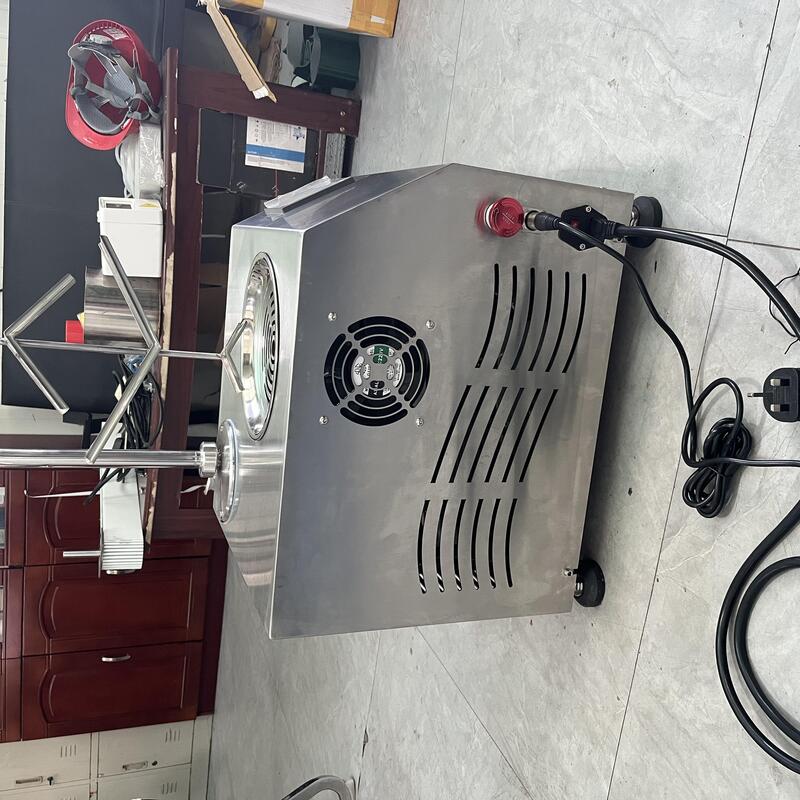
In order to break the deadlock, Sarah decided to introduce automated equipment. After comparing various options, she chose one of our
small chocolate tempering machine.
How can the 8L equipment help small chocolate workshops improve efficiency?
For many newly-started handmade chocolate brands, what truly makes a difference in product quality is not the molds, nor the packaging, but the stability of temperature control. For regular handmade chocolates, holiday gift boxes, and some coated desserts, the initial temperature control mainly relies on manual heating, cooling, and re-warming.
As the number of orders increased, this approach began to reveal obvious shortcomings: the surface luster of the chocolate was unstable, some finished products were difficult to demold, and the conditions varied between different batches.
Especially when the weather was hot, the problems of re-browning and surface fogging became more pronounced. The core purpose of temperature control is to precisely control the temperature to enable cocoa butter to form a stable β crystal structure, thereby achieving better luster, hardness, taste and demolding performance.
When communicating with us, the customers’ requirements were very clear:
The equipment should not be too large because their production space is limited;
it should be suitable for small batch production and the ability to switch flavors;
The operation should not be too complicated because not everyone has rich experience in chocolate processing;
They hope that it can also be used for small-scale pouring, coating or sample testing in the future.
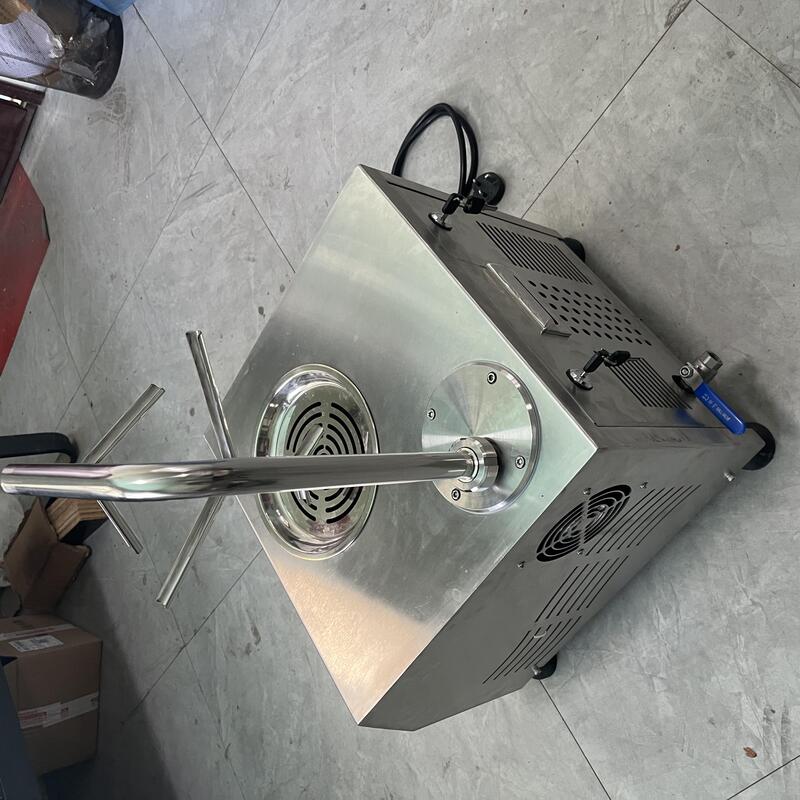
Based on these requirements, we recommended this GD-CTMD8 small chocolate temperature control machine to the customer. This equipment has a single capacity of 8L, with a body size of approximately 610×525×710mm and a weight of about 80kg. The overall structure is compact, making it suitable for artisan chocolate shops, small studios, laboratories, R&D prototyping, and multi-SKU small-batch production scenarios.
Gondor Recommended Temperature Controller Specifications:
| Voltage |
220V 50Hz Single-phase; Includes spray system; |
| Power |
2kW |
| Capacity |
5.5L |
| Material |
SS304 |
| Dimensions |
510*420*710mm |
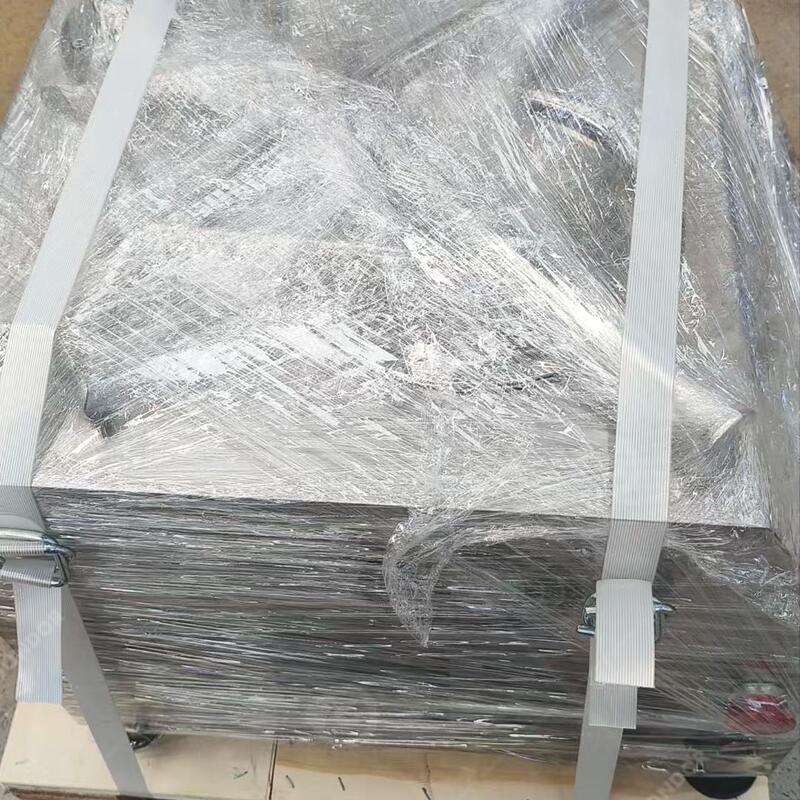
| Packaging Weight |
64kg |
Practical Performance of the Small Chocolate Tempering Machine
After receiving the machine and completing simple assembly, Sarah began her first trial run. The machine’s physical construction and intelligent design quickly won her approval.
1. Stability of the Continuous Temperature Control System
This machine is made entirely of stainless steel (Food Grade SUS304), with its core being its internal rotary stirring system and high-precision heating/cooling unit. Sarah set the target temperature (heating to 45°C to melt, cooling to 28°C to induce crystallization, and then heating to 31°C to maintain operation), and the machine automatically began its cycle.
“What surprised me most was its stability,” Sarah said. “In the past, I needed to constantly check the temperature with a thermometer; now I only need to glance at the LED display. Its circulation system ensures that every drop of chocolate undergoes the correct shear force, resulting in perfect Beta crystallization.”
2. The “Golden Capacity” of 8kg-15kg
Sarah chose the 8kg version. This capacity is extremely precise for small to medium-sized studios—it ensures the flexibility of small-batch boutique production while being sufficient to fill hundreds of bars of chocolate per day.
“Before, I could only make 50 chocolates a day; now, with the machine’s uninterrupted supply of molten chocolate, I can complete the filling and demolding of 200 pieces in three hours,” she said.
3. Detailed Design: Vibrating Table and Foot Pedal Control
The product mentioned in the link comes with a small vibrating table, which Sarah considers “the most practical surprise.”
During the molding process, air bubbles easily get trapped inside the chocolate. The machine’s built-in vibrating table quickly removes these bubbles, ensuring a smooth, mirror-like surface on the finished product. The foot pedal control completely frees her hands, allowing her to focus on moving the mold.