Breakthrough in Filling Technology of Pistachio Jam
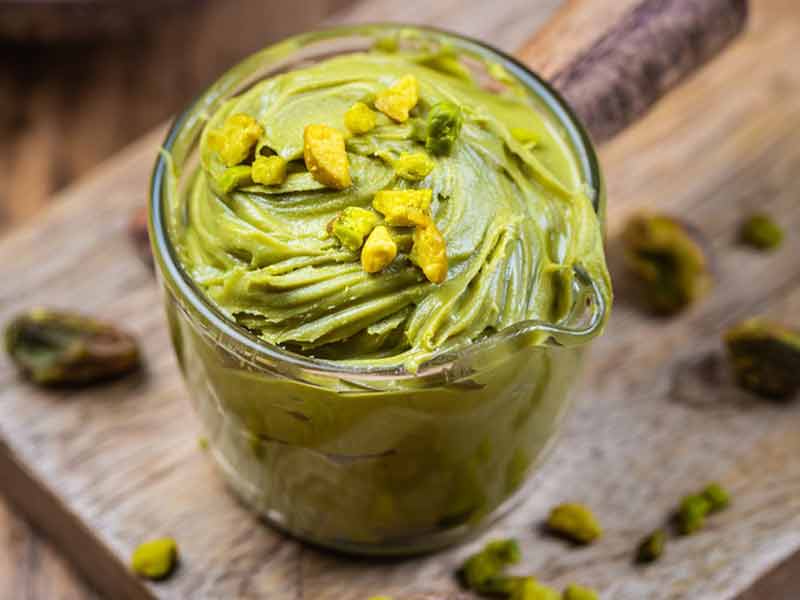
In the context of the booming global candy and baking market, high-end Pistachio paste is becoming the focus of raw materials. However, its automatic production faces many challenges: high viscosity, easy oil-water separation, abrasion of nut particles and strict food safety standards. Aiming at these pain points, professional paste filling machine has become the key equipment to achieve efficient, compliant and high-quality production.
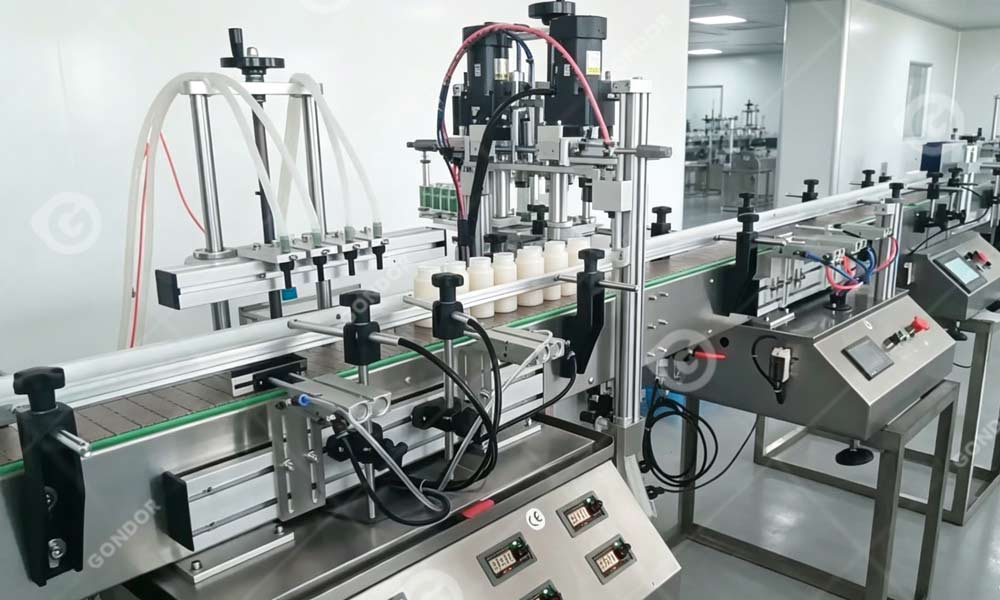
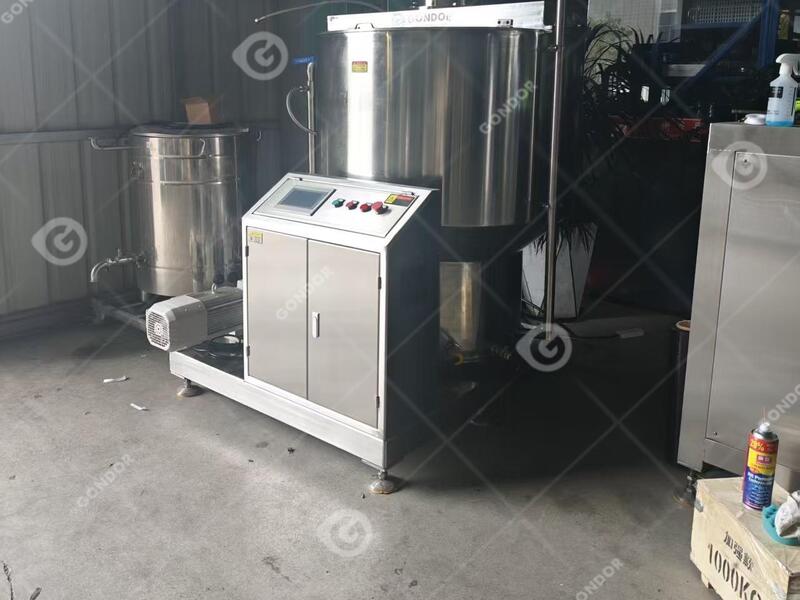
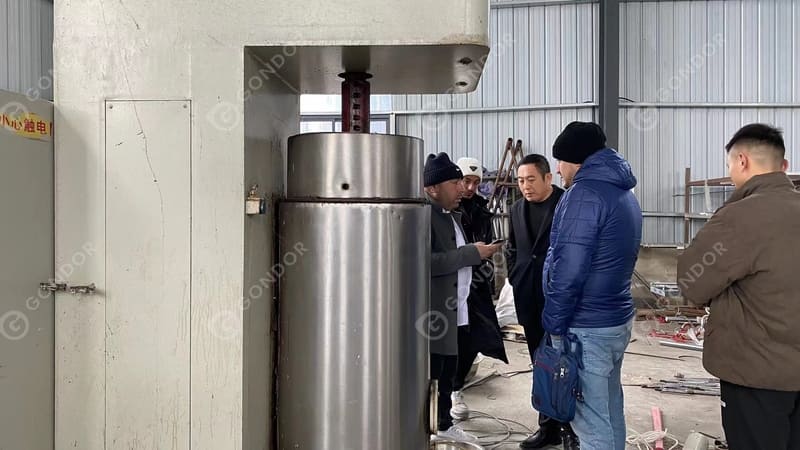
Take the recent cooperation between Gondor and Italy’s high-end manufacturers of happy jam as an example. Through transnational engineering cooperation, the two sides have overcome the problems of workshop layout, fluid control and electrical adaptation, and finally realized the full-line automation solution. This paper will deeply analyze the technical blueprint of the project, and answer the common questions about the packaging of high-viscosity sauce, and show you how to build a high-performance filling system that can maximize the production capacity and profit while protecting the natural texture of the product.
Filling Challenge of High Viscous Sauce
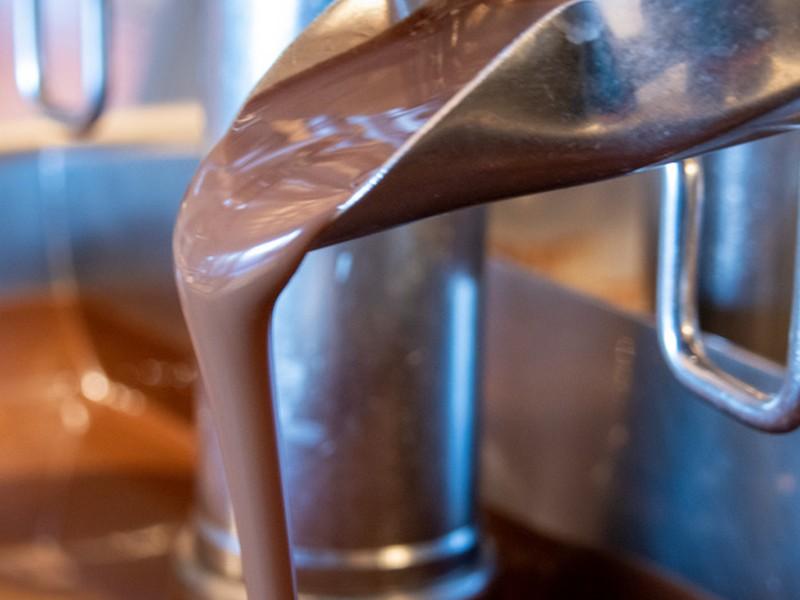
Hard jam, such as Pistachio jam, belongs to thixotropic fluid, which has high viscosity when standing and will be diluted by shear force. Its physical characteristics are completely different from those of ordinary liquids such as water and fruit juice. If the conventional liquid filling line is forcibly used, it will inevitably lead to a series of system failures such as motor overload, inaccurate weight, dripping and blocking.
Piston vs. Rotary Lobe: Choosing the Right Drive Mechanism
When engineering a high-viscosity line, choosing the wrong dispensing drive will ruin your ROI. Let’s compare the two primary technologies utilized in modern food plants:
| Feature / Specification | Volumetric Piston Filler | Rotary Lobe Pump Filler |
| Operating Principle | A pneumatic or servo-driven piston draws an exact volume of paste into a cylinder and dispenses it. | Continuous rotating lobes sweep fixed pockets of paste through a pump housing. |
| Best Suited For | Rigid jar sizes requiring extreme, repeatable accuracy regardless of viscosity changes. | Continuous high-speed lines where jar sizes change constantly throughout the week. |
| Handling of Solids | Excellent. Can handle coarse-milled pastes with micro-particles without losing pressure. | Good, but excessive particle abrasion can wear down internal tolerances over time. |
| Gondor’s Verdict | The Gold Standard for Premium Nut Spreads. Provides unmatched volumetric consistency. | Best reserved for high-volume, highly fluid sauces or smooth cream lines. |
For our Italian client, preserving the rich, authentic mouthfeel of the Sicilian pistachio was paramount. Excessive mechanical shearing splits the natural oils from the solids, leaving a greasy layer at the top of the jar and a rock-hard clump at the bottom. Gondor’s engineering team selected a servo-driven volumetric piston filler. By utilizing a precise servo motor rather than basic pneumatics, we gained absolute control over the suction and injection speeds, allowing us to handle the paste with extreme care.
Essential Blueprint Features of a Premium Paste Filling Machine
A standalone paste filling machine requires specific structural enhancements to survive the daily rigors of an active food manufacturing facility. When evaluating equipment suppliers, ensure your technical specifications include the following three non-negotiable features:
Deconstructing the Full Layout of a Bottle Filling Production Line
In order to break through the bottleneck of manual production and realize large-scale and global supply, all links must be integrated into a seamless bottle filling production line. The production line ensures that the whole process of container transportation, filling, sealing and labeling is automatic and traceable, and meets the production requirements of high speed and high hygiene standards. The following is an industrial-grade full-process layout designed by Gondor for customers, which realizes automatic operation from empty bottles to sealed finished products:
Empty bottles are sorted by automatic bottle sorting turntable and arranged in stainless steel chain plate conveyor belt in order. Before filling, the bottle is swept by ion wind and vacuumed by negative pressure through the turnover station to completely remove the internal impurities.
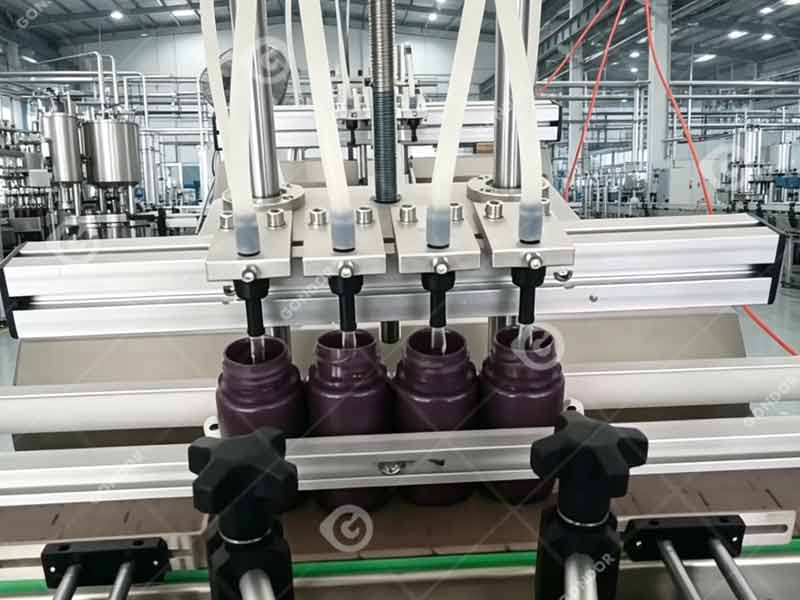
The bottle enters the core area of the filling production line and is positioned by the photoelectric sensor. The submerged bottom-up filling technology is adopted, and the filling nozzle goes deep into the bottom of the bottle and rises synchronously with the liquid level to ensure that there is no bubble or splash in the sauce body, and it has the safety interlock function of “no filling without bottle”.
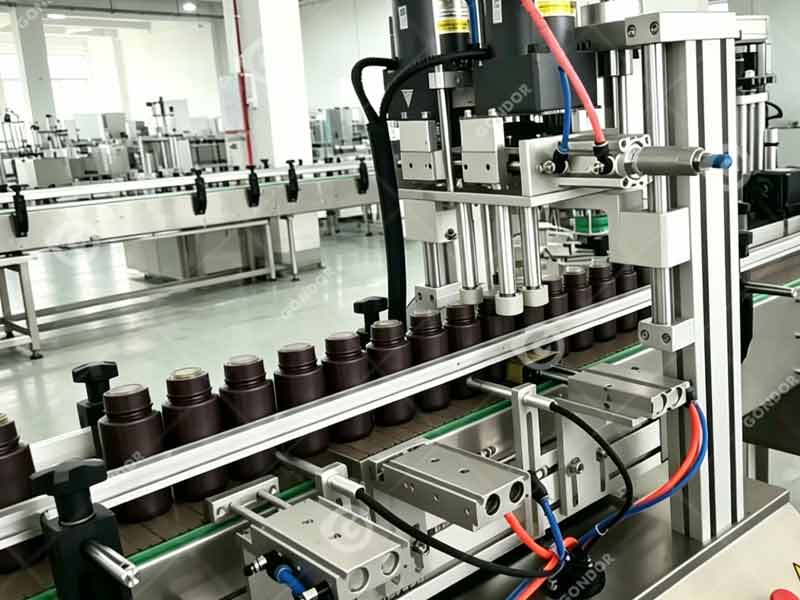
After filling, the bottle enters the automatic capping machine, and the metal cap manages the capping, grabs and tightens it to the set torque. Then through the electromagnetic induction sealing machine, the aluminum foil in the bottle cap is melted by high frequency field to form a gas sealing layer, which prolongs the shelf life to more than two years.
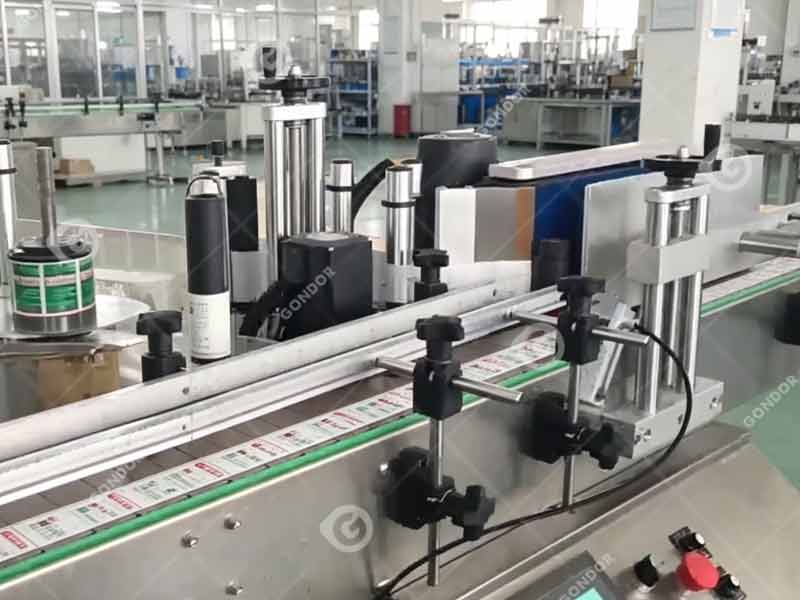
The bottle is labeled by high-speed labeling machine, and the date, batch number and expiration date are printed by inkjet printer. Finally, the unqualified products are eliminated by the weighing and visual inspection system, and the qualified finished products are automatically collected, waiting for packing and leaving the factory.
The 218cm Ceiling Crisis: Real-World Problem Solving
The real strength of an industrial equipment supplier is often reflected in its ability to solve sudden and severe site restrictions. In this project, when the equipment is about to enter the production stage, the customer feedback a key constraint: its factory in Sicily, Italy is located in a protected historical building, and the maximum available net height of the workshop is strictly limited to 2.18 meters.

This restriction poses a direct challenge to the traditional vertical stacking production line (usually more than 2.5 meters in height), and the original equipment will not be installed. It is under this hard condition that the Gondor team demonstrated its engineering ability to turn the potential “on-site death” into a feasible industrial scheme. After receiving highly restricted feedback, the Gondor team made a subversive reconstruction of the production line structure within 72 hours. The core changes are as follows:
Dismantle the vertical hoist and replace it with the self-developed ultra-low chassis spiral conveyor and chain belt, so that workers can feed smoothly at waist height.
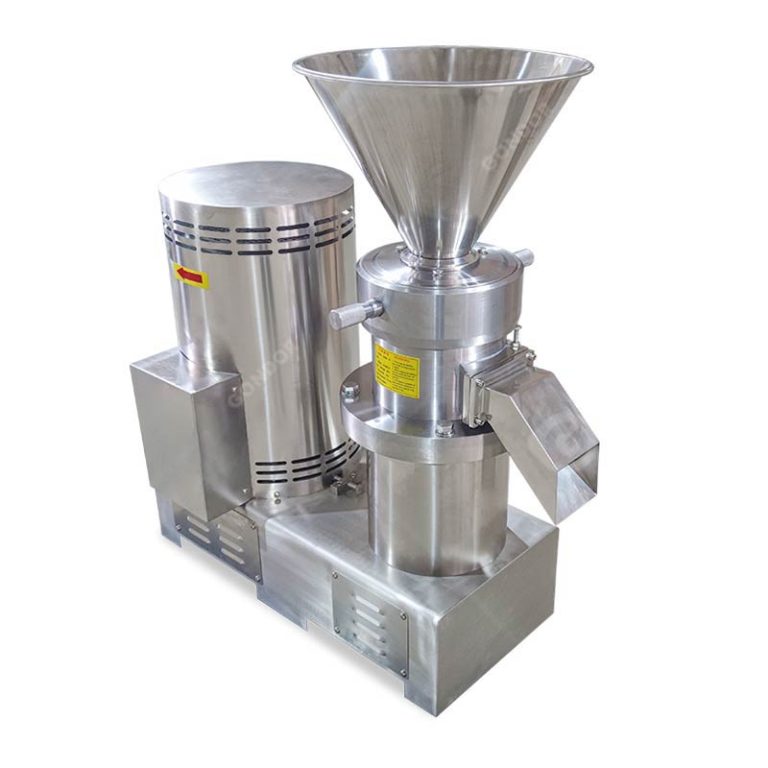
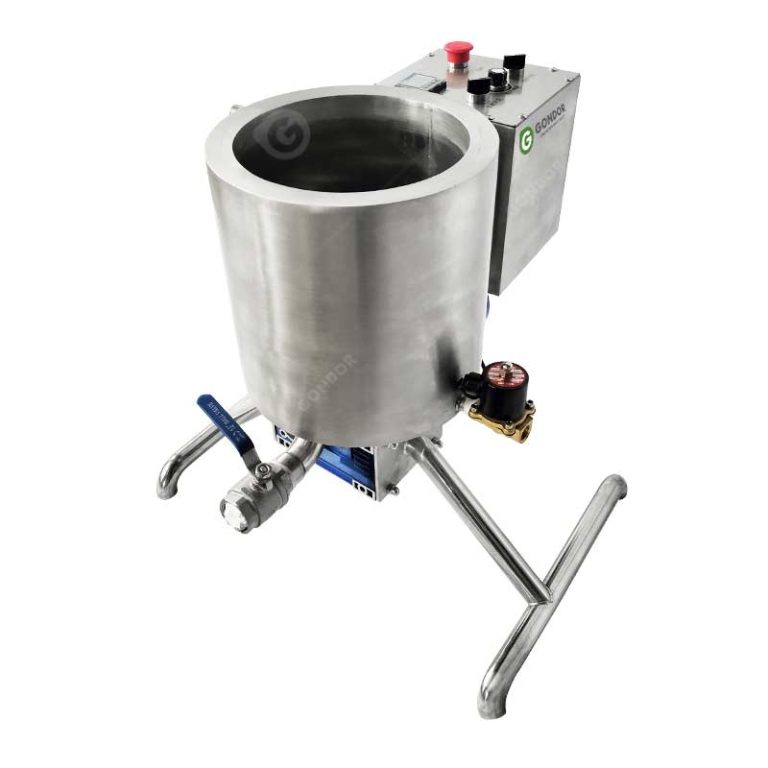
The ball milling, screening, storage tanks and other equipment were changed to the horizontal layout on the ground, and the horizontal transportation of sauce was realized by high-pressure food pump.
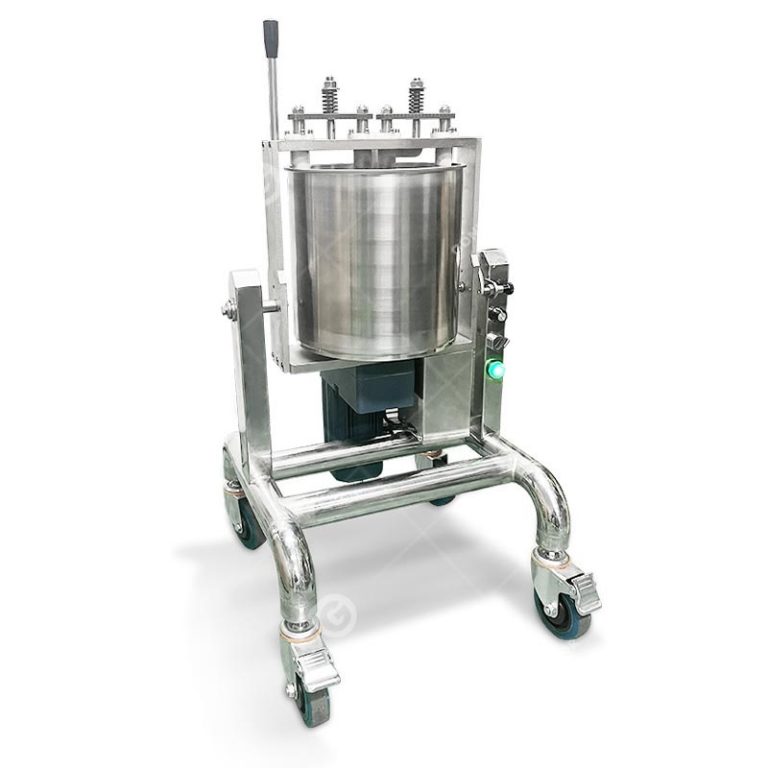
Rebuild the legs of storage tanks, filling machines and other equipment, reduce the overall center of gravity, and ensure that the highest point of all equipment is controlled within 2.1 meters.
SUS304 stainless steel is used for the core contact part, and SUS201 is used for the non-contact structural frame, so as to ensure hygiene and durability and control the additional renovation cost.
Custom Upgrade, Global Growth
Upgrading your production line to automatic bottling and filling production line can not only greatly reduce labor error and material loss, but also ensure that products meet international hygiene standards and lay the foundation for entering the global supermarket supply chain. Gondor focuses on providing customized engineering solutions according to your material characteristics and site constraints (such as space, layout, etc.), and truly transforming equipment into efficient and reliable productivity. If you need to start the automation upgrade, please contact our engineering team for free factory layout design and exclusive scheme quotation.