

How to Roast Cocoa Beans: A Critical Step from Bean to Delicious Chocolate
Roasting cocoa beans is a core step in making high-quality chocolate. It not only affects the flavor, aroma, and color of the chocolate, but also determines the quality of the final product. Whether you’re a home chocolatier or a professional chocolate maker, mastering the correct roasting technique is crucial.
In this guide, we’ll explore the complete process of roasting cocoa beans, from preparation to cooling. We’ll also explain how modern equipment—like efficient cocoa bean roasters—can streamline the process and ensure consistent, high-quality results.
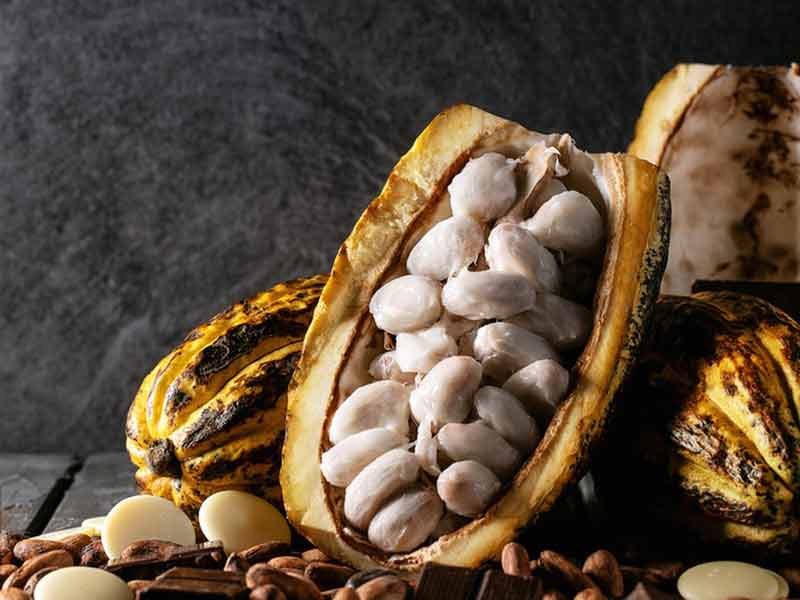
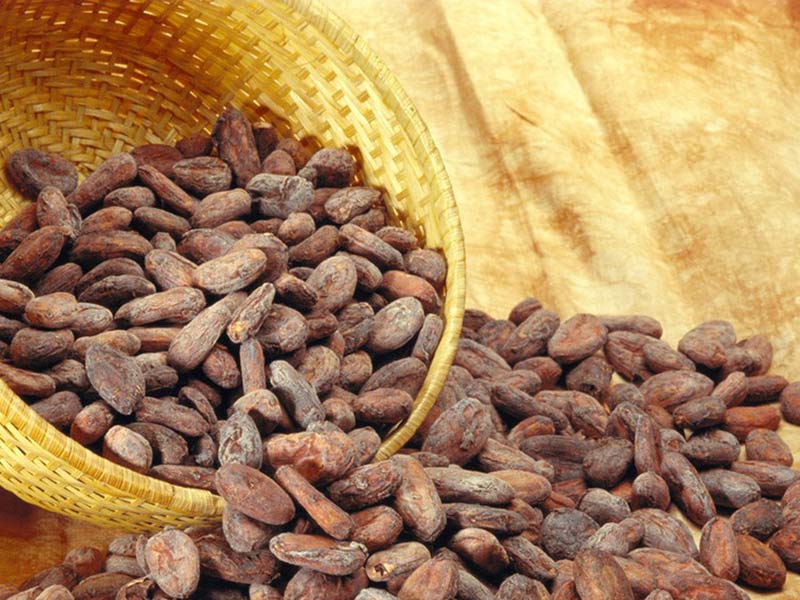
How to Roast Cocoa Beans: From Bean to Delicious Chocolate!
Roasting cocoa beans is a core step in making high-quality chocolate. This stage determines the flavor, aroma, and quality of the final chocolate. Whether you’re a small-scale artisan chocolate maker or a professional factory owner, learning how to roast cocoa beans correctly is crucial. Gondor Machinery will walk you through the entire cocoa bean roasting process, explain the science behind it, and demonstrate how cocoa bean roasters can make roasting easier, more consistent, and more efficient.
Why is roasting cocoa beans so important?
Freshly harvested cocoa beans often have a bitter and sour flavor due to natural compounds in the beans, such as polyphenols and volatile acids. The roasting process transforms these unpleasant flavors into a rich, chocolatey flavor through a pyrolysis reaction, while also enhancing the beans’ aroma and dark appearance.
Roasting also kills bacteria, reduces moisture content, and makes the bean shells easier to remove. A well-controlled roasting process can create complex flavors such as nutty, caramelized, or fruity, while over-roasting can result in burnt or bitter notes.
In short, proper roasting transforms raw cocoa beans into a product ready for grinding, refining, and tempering.
Therefore, using reliable equipment, such as a professional cocoa bean roaster machine or cacao bean grinder machine, can help you precisely control temperature and time, avoiding common mistakes.
The Detailed Process of Roasting Cocoa Beans
Roasting cocoa beans requires patience and attention to detail. The entire process can be divided into four main stages: preparation, roasting, testing, and cooling. Below is a step-by-step guide that combines traditional methods with modern techniques to ensure optimal results.
Step 1: Cleaning and Sorting the Cocoa Beans
Before roasting begins, the cocoa beans need to be thoroughly cleaned and shelled. Fresh cocoa beans are typically encased in a sticky pulp, but most commercial cocoa beans are fermented and dried before shipping, removing much of the pulp. However, during the fermentation and drying process, the beans often accumulate dust, stones, and plant debris. Sorting and cleaning ensures consistent roasting results and prevents damage to machinery.

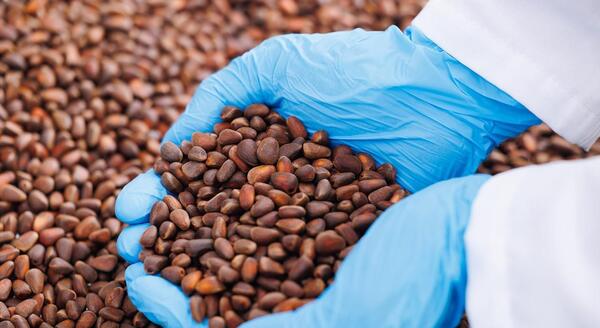
Industrial chocolate producers typically use pre-cleaning machines to automatically remove impurities, while small-scale producers may hand-sort defective beans.
Cleaning the Cocoa Beans: Place the cocoa beans in a large bowl, cover with cold water, and gently stir to remove any residue. Drain through a sieve, repeating several times until the water runs clear. This step is important because it prevents impurities from burning during the roasting process and affecting the flavor.
Hulling: While some roasting methods leave the bean shells on, hulling ensures a more even roast. Gently tap the beans to crack the shells, then use a fan or hairdryer to blow away the lightweight shell flakes. For small batches, this can be done manually, but for large-scale production, a cocoa bean roaster machine with integrated hulling can save time and labor.
Preparation typically takes 15-30 minutes, depending on the number of beans. Ensure the beans are completely dry before roasting, as moisture can cause steam to accumulate and affect temperature control.
Step 2: Choose the roasting method and equipment
There are many ways to roast cocoa beans, including ovens, pans, or specialized equipment. The choice depends on your scale and goals. For home users, a simple oven may be sufficient, but if you’re looking for consistency and efficiency, a high-quality roaster ensures even heat distribution and precise temperature control. These machines typically offer precise temperature control, even heat distribution, and programmable settings, suitable for everything from small workshops to large factories.
Oven roasting: Spread the beans in a single layer on a baking sheet and preheat the oven to 120-150°C. Roast for approximately 20-40 minutes, stirring regularly to ensure even roasting. This method is simple, but can lead to hot spots and inconsistencies.
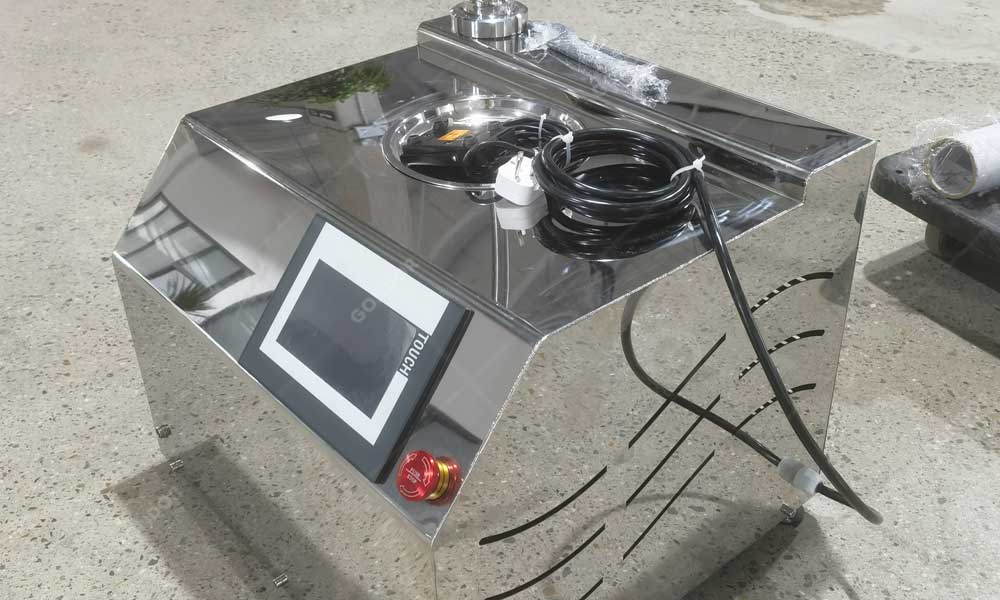
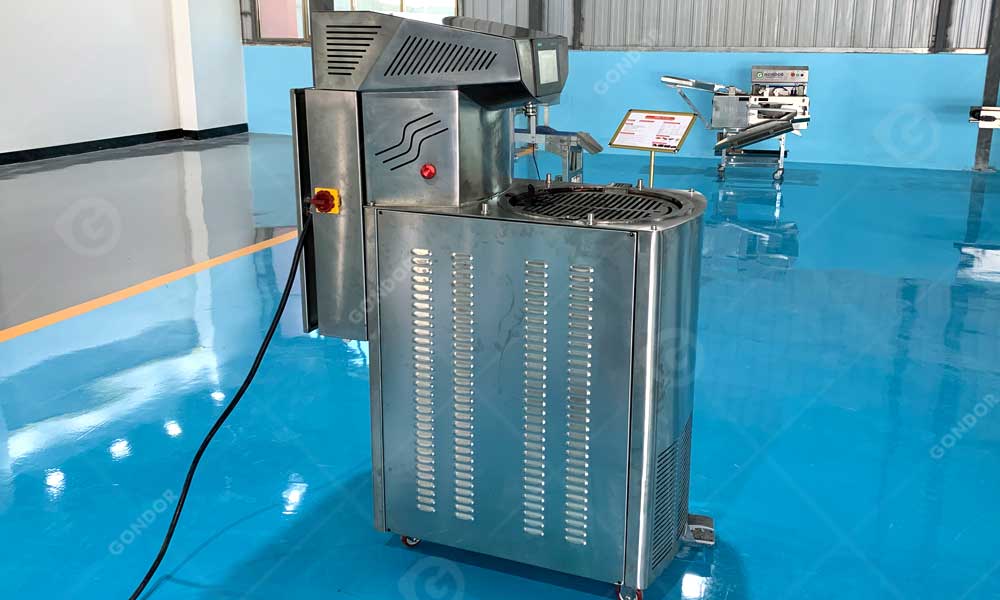
Professional machine roasting: A sophisticated cocoa bean roaster allows you to set specific parameters, such as the temperature profile and air speed. For example, you can start at a low temperature (such as 100°C) and gradually increase the temperature to 140-160°C to develop different flavors. This equipment often features a digital display and automatic stirring, minimizing manual intervention.
Whichever method you choose, it’s crucial to monitor the beans to avoid over-roasting. Next, we’ll move on to the core roasting stage.
Step 3: Setting the Right Temperature and Time
The key to roasting cocoa beans lies in balancing temperature and time. These temperature and time vary depending on the type of cocoa beans and their origin. However, most cocoa beans are roasted between 120°C and 150°C (248°F–302°F) for 15 to 45 minutes.
| Cocoa Bean Type | Temperature (°C) | Time (minutes) | Flavor Result |
|---|---|---|---|
| Light roast | 120–130 | 30–45 | Fruity, acidic flavor |
| Medium roast | 130–140 | 25–35 | Balanced chocolate flavor |
| Dark roast | 140–150 | 15–25 | Deep, bitter, smoky notes |
Heat the following process:
Preheat your equipment: If you’re using an oven, preheat it to your target temperature; if you’re using a cocoa bean roaster, set the initial parameters according to the machine’s instructions. Preheating ensures the beans begin heating immediately and avoids temperature fluctuations.
Load the beans: Spread the prepared cocoa beans evenly on a roasting tray or in the machine’s basket. Avoid overcrowding to ensure heat distribution. Machines typically have a recommended load capacity—for example, a standard cocoa bean roaster might process batches of 1–5 kg.
Monitor and adjust: Check the beans regularly. Use a thermometer to measure the internal temperature (ideally 130–140°C) or perform a sensory test: the beans should be crisp, with a brittle shell and a dark interior. If using a machine, built-in sensors can provide real-time data to prevent burning.
During roasting, the beans undergo the Maillard reaction and caramelization, producing the characteristic flavor of chocolate. Signs of over-roasting are smoky or black beans; if this occurs, immediately reduce the temperature or shorten the roasting time.
Step 4: Testing for Doneness and Cooling
After roasting, the beans must be immediately tested for doneness and cooled to stop the cooking process. Testing methods include:
The cut test: Remove a bean and cut it open to examine the internal color. A uniform dark brown indicates a well-roasted bean.
The flavor test: Crush a small amount of the bean and smell its aroma. Ideally, it should have a balanced bittersweet flavor with no harshness.
Once the beans are roasted as desired, quickly transfer them to a cooling tray or use the cooling function on a cocoa bean roaster. Cooling should be completed within 5-10 minutes to prevent residual heat from continuing to cook. Cooling can be done naturally or with a fan; proper cooling preserves the desired flavor and mouthfeel.
Step 5: Post-roasting Beans
After cooling, the bean shells will become brittle and easy to remove. Gently crush the beans by hand or with a tool, then use a sieve or fan to separate the shells from the nibs. These nibs can be used directly in chocolate making or stored for later use. Store the nibs in an airtight container in a cool, dry place for several months. The clean cocoa nibs are then ready for grinding and conching.
Advantages of a Cocoa Bean Roasting Machine
While cocoa beans can be roasted manually using an oven or baking tray, professional cocoa bean roasting machines offer distinct advantages:
Precise temperature: Ensures an even roast with no hot spots.
Time control: An automatic timer helps maintain consistency.
Uniform heating: Hot air or rotating drums ensure that each bean is evenly roasted.
Energy efficiency: Modern roasters use less power and are faster.
Batch traceability: Some machines allow you to log roasting data for quality tracking.
For chocolate factories and growing businesses, investing in a reliable cocoa bean roaster can significantly improve product quality, production efficiency, and consistency.
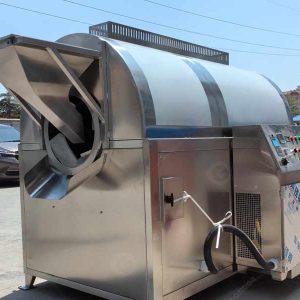
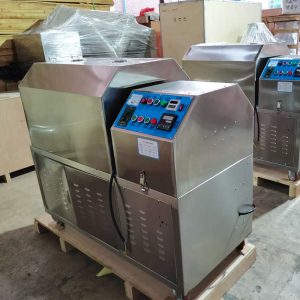
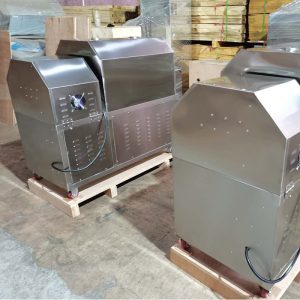
How to Choose the Right Roasting Equipment?
If you plan to roast cocoa beans regularly, investing in a high-quality cocoa bean roaster machine can significantly improve efficiency and results. These machines are designed to handle the unique needs of cocoa beans, such as low temperatures and long roasting times. When choosing, consider the following factors:
Capacity and size: Depending on your production needs, choose a model suitable for small batches or large-scale production.
Control Features: Look for programmable temperature, time, and air speed settings to replicate successful batches.
Energy Efficiency and Safety: Modern machines often feature energy-saving designs and automatic shutoffs to reduce risk.
Brands and Reviews: Research reliable manufacturers and read user feedback to ensure the equipment is durable.
Roasting cocoa beans is a combination of art and science that determines the final quality of your chocolate. By following the steps above—from preparation to cooling—you can master the process and create cocoa beans with rich flavor. Remember, using the right equipment, like a cocoa bean roaster, makes roasting more precise and easier.
If you’re interested in chocolate-making equipment, browse our product page to learn more about efficient cocoa bean roasters—designed to help you achieve professional-grade chocolate production.