

While the cacao bean itself is entirely plant-based—suggesting pure chocolate ought to be vegan—the reality is seldom so simple. In practice, most conventional chocolate becomes unsuitable for vegan diets during its journey from bean to bar, as ingredients like milk powder are frequently introduced along the way.
The good news is, finding vegan chocolate that suits your taste is surprisingly straightforward these days. In the following sections, we’ll walk you through what ingredients to keep an eye out for, what to steer clear of, and—most importantly—how to select and savor delicious dairy-free options with complete confidence.
Why Isn’t All Chocolate Vegan?
While dairy is the main reason—being essential in milk chocolate and sometimes found in dark varieties—several other factors can make chocolate unsuitable for vegans. Key ingredients to watch for include milk powder or solids, which are common even in some somewhat misleadingly labelled dark chocolates, along with butterfat used to enhance creaminess. White chocolate is something of a special case, as it contains no cocoa solids whatsoever and is nearly always made with dairy. What’s more, even when the ingredients themselves appear plant-based, cross-contamination can occur during production—which is why you’ll often see labels warning that products may contain traces of milk due to shared equipment.

The Role of Processing: Where Machinery Matters
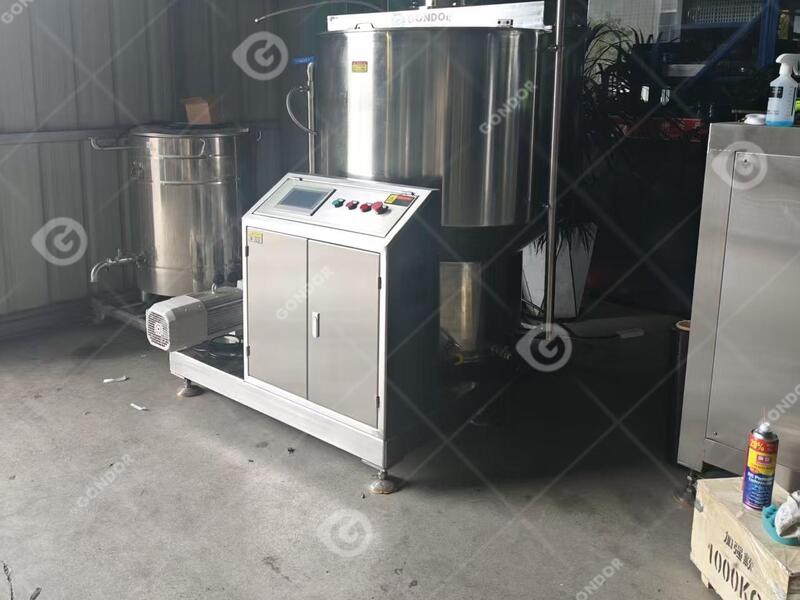
Crafting truly delicious vegan chocolate depends heavily on specialized equipment, as the precision of the machinery plays a defining role in the final product’s quality. Consider cocoa processing: it all starts with roasting, an essential step for drawing out the deep, rich flavors you expect from premium dark chocolate—a vegan favorite. That’s where a machine like cocoa bean roasting machine comes in, providing a consistently even roast that coaxes out nuanced flavors without scorching the beans.
Once the beans have been roasted, they are then cracked and finely ground in the next stage of the process. The grinding process is critical for texture. Achieving the ultra-smooth, silky mouthfeel that defines excellent chocolate—whether it’s a pure dark chocolate bar or a stone-ground vegan chocolate—requires advanced grinding technology. This is where chocolate grinding machine excels, refining the cocoa particles to a perfect fineness.
How to Identify Vegan Chocolate
Reading the label is your best tool. Here’s what to do:
Your Guide to Dairy-Free Chocolate Options
-
High-Quality Dark Chocolate
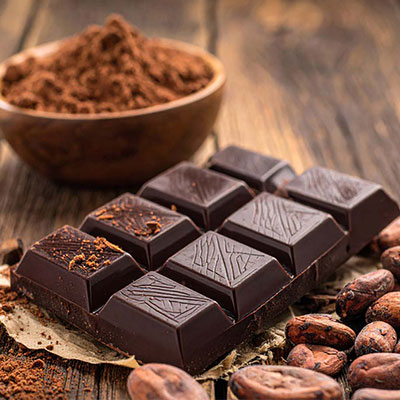
Your best option. Look for single-origin bars with simple ingredients. Fortunately, the selection of vegan chocolate available today is both extensive and delicious. An excellent starting point is high-quality dark chocolate, which typically contains around 70% cocoa or more and is less likely to include any dairy. That said, it’s still worth checking the label carefully, since some producers do add a small amount of milk fat to enhance smoothness.
-
Specifically Labeled Vegan Chocolate
Many brands now specialize in vegan chocolate, often using plant-based milks to achieve a surprisingly creamy texture. Oat milk lends a familiar richness, almond milk adds a subtle nutty note, while rice milk offers a lighter sweetness. For those who enjoy a more distinct flavor, coconut milk provides a rich, tropical nuance—making it an especially popular choice in many dairy-free alternatives.
-
Pure Cacao Products
When it comes to baking and cooking, several pure cacao products are naturally vegan and wonderfully versatile. Unsweetened cocoa powder works perfectly for rich brownies and smooth hot chocolate, while crunchy cacao nibs add a bitter contrast to yogurt or oatmeal. For recipes where you control the sweetness, 100% cacao—though quite bitter on its own—provides an ideal, dairy-free base.
-
DIY Chocolate
If you’d like complete control over what goes into your chocolate, why not try making your own? With just a few essentials—like cocoa butter or coconut oil, cocoa powder, and a natural sweetener such as maple syrup—you can easily create custom vegan chocolates right in your own kitchen. If you’re interested in creating shaped chocolates, starting with a compact Tabletop Chocolate Depositor is a great way to produce beautifully formed vegan chocolates at a smaller scale.
The Bottom Line
So, where does that leave us? Whilst pure chocolate can indeed be vegan, confidently enjoying it requires being an informed consumer. The simplest yet most effective step is to carefully read the ingredients on the packaging; this small habit can instantly reveal a world of delicious, cruelty-free options. So, whether your taste leans towards an intense dark variety, a creamy oat-milk alternative, or a homemade creation, you can be certain that chocolate has a firm place within a mindful vegan lifestyle.