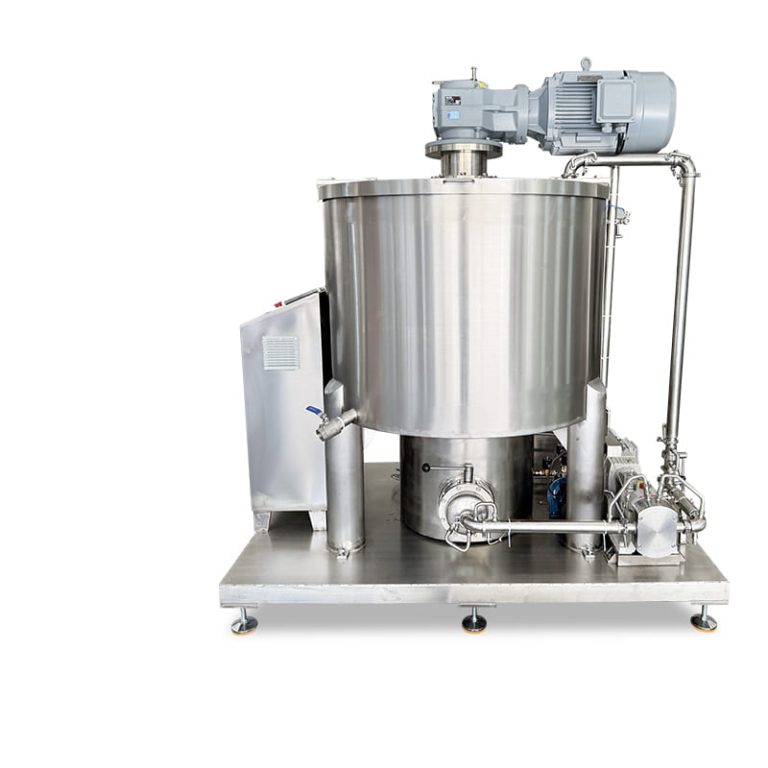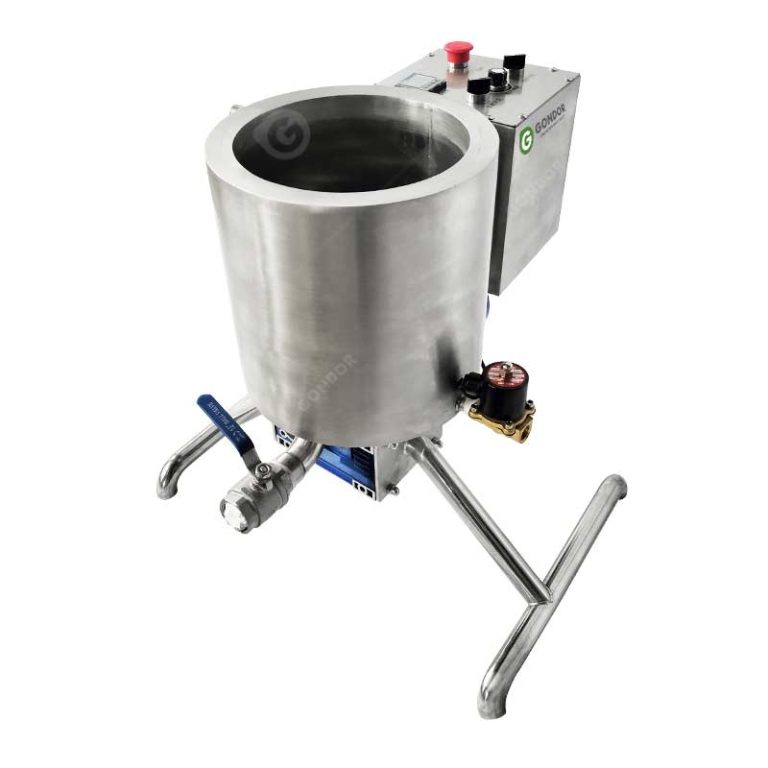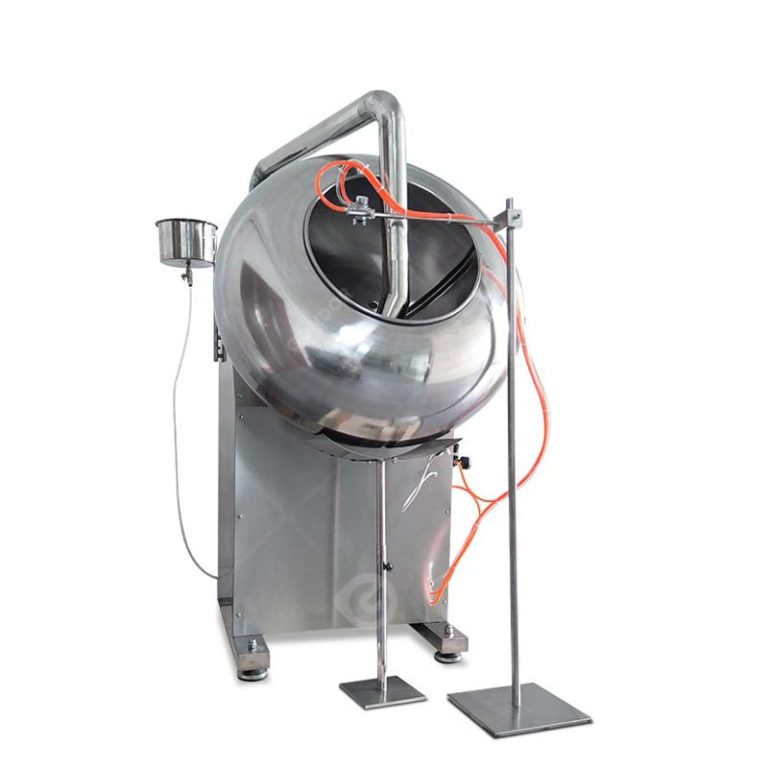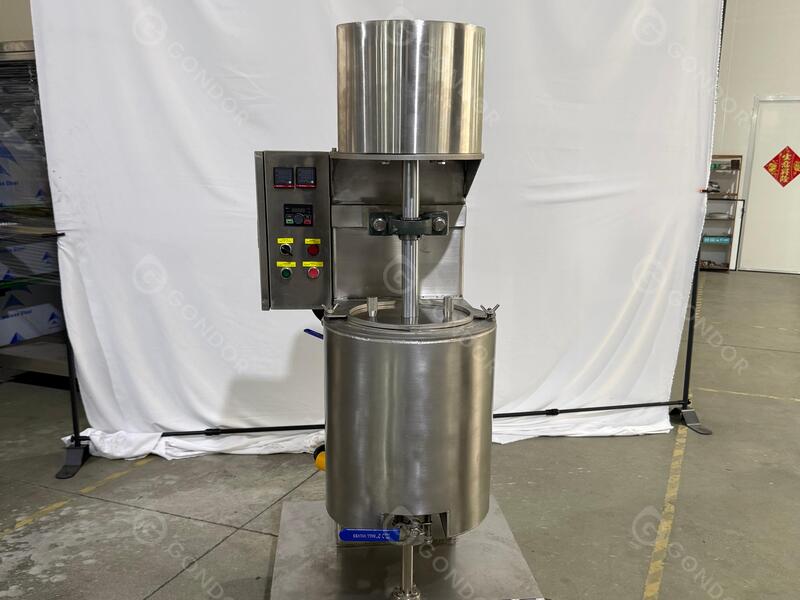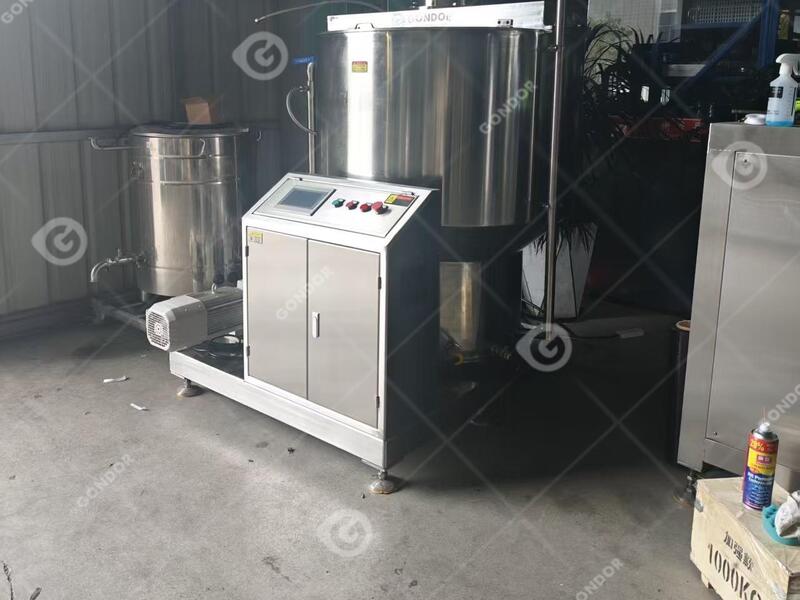


When purchasing a chocolate ball mill, customers often consider more than just price. They are more concerned with whether the equipment can achieve the target fineness, match production needs, adapt to different raw materials, and maintain stable operation in daily production. To facilitate selection, Gondor Choco has compiled ten frequently asked practical questions from buyers.
1. What is a chocolate ball mill mainly used for?
A chocolate ball mill is mainly used for refining chocolate mass into a smoother and more uniform paste. It helps blend ingredients such as cocoa-based materials, sugar, and fat more evenly, so the final product can achieve a finer texture and a more consistent mouthfeel in later processing steps.
2. How does the machine refine chocolate?
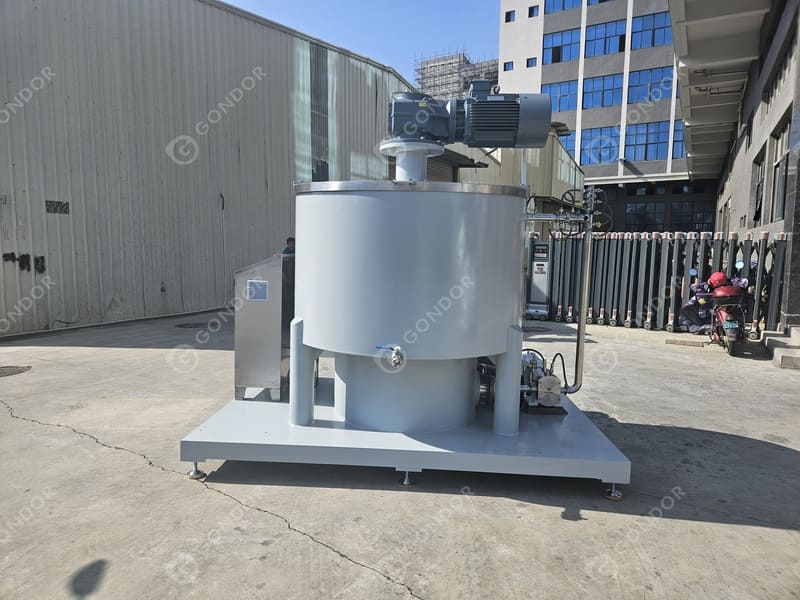
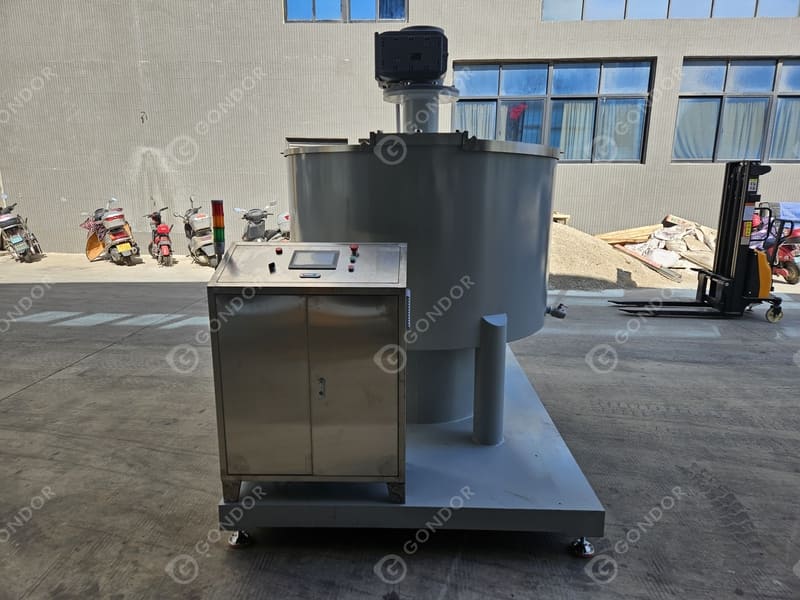
Inside the rotating grinding chamber, the grinding balls continuously move, exerting pressure, impact, friction, and shearing effects on the material. As this process continues, larger particles are gradually broken down and distributed more evenly, ultimately making the chocolate paste smoother, facilitating subsequent blending or shaping.
3. What fineness can buyers expect from this choco ball mill machine?
Different models typically achieve a fineness range of approximately 18 to 25 microns. This level of grinding helps improve the smoothness of the chocolate paste, resulting in a more uniform texture, consistency, and overall quality in the finished product.
4. Can it process materials other than chocolate?
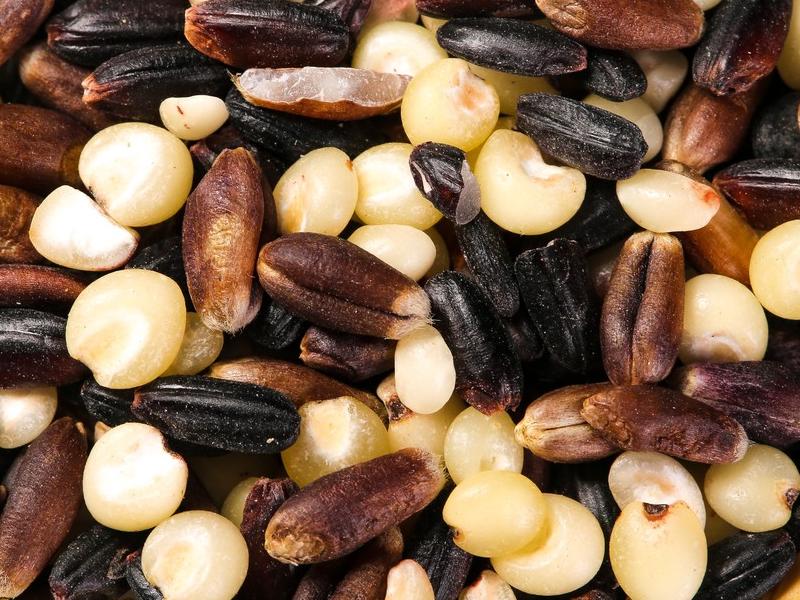
Yes. In addition to chocolate-related materials, the ball mill is also suitable for processing food ingredients such as nuts and seeds. Therefore, it can be used not only for processing chocolate paste but also for finely grinding nut butters and other spreadable food materials.

5. What capacity options are available for different production needs?
Chocolate ball mills are available in various capacities, including 12L, 50L, 500L, and 1000L. This allows for a suitable model to be found for everything from small-batch trials to large-scale production. The specific model chosen usually depends on your daily output, batch schedule, and overall production line configuration.
6. How long does one grinding batch usually take?
Grinding time varies by model size. Smaller machines are listed at about 3 to 4 hours, while larger models may require around 5 to 7 hours. Buyers usually use this figure to estimate daily throughput, production rhythm, and whether one machine is sufficient for planned output.
7. Why does a chocolate ball mill require a cooling system during operation?
During the grinding process, the continuous friction between the grinding balls and the material generates heat. Poor heat control can affect the state of the chocolate syrup. Gondor equipment uses water cooling and temperature control systems to help maintain a more stable grinding process.
8. Is the machine easy to use in long-hour production?
Chocolate ball mills operate smoothly and with relatively low noise, making them suitable for continuous operation in factory environments for extended periods. For buyers, this means greater stability in continuous production or repeated batch processing.
9. Is this machine suitable for workshops with limited space?
It may be a practical option for workshops that want to balance capacity and footprint. The product page highlights a compact structure combined with a usable processing volume, suggesting the machine is designed for efficient space utilization while still supporting meaningful production output.
If the workshop area is limited, this type of equipment is also practical. Its relatively compact structure, while still allowing for a certain processing capacity, indicates a good balance between space and output, making it easier for the factory to make efficient use of space.
10. How should buyers choose the steel ball quantity and machine configuration?
The amount of steel balls needed needs to be determined comprehensively based on the ball mill capacity, steel ball diameter, and material characteristics. Generally, the total weight of the steel balls can be considered to be approximately 1.5 to 2 times the weight of the chocolate mixture. Additionally, key parameters such as voltage, model size, and target fineness should be confirmed before placing an order.
If you are comparing different chocolate ball mill models, the most effective approach is to first clarify your target output, required fineness, raw materials, and local voltage requirements.
Once this basic information is determined, equipment selection will be more accurate, and it will be easier to match a processing solution suitable for your project. The product page also provides an entry point for obtaining customized suggestions based on your needs.