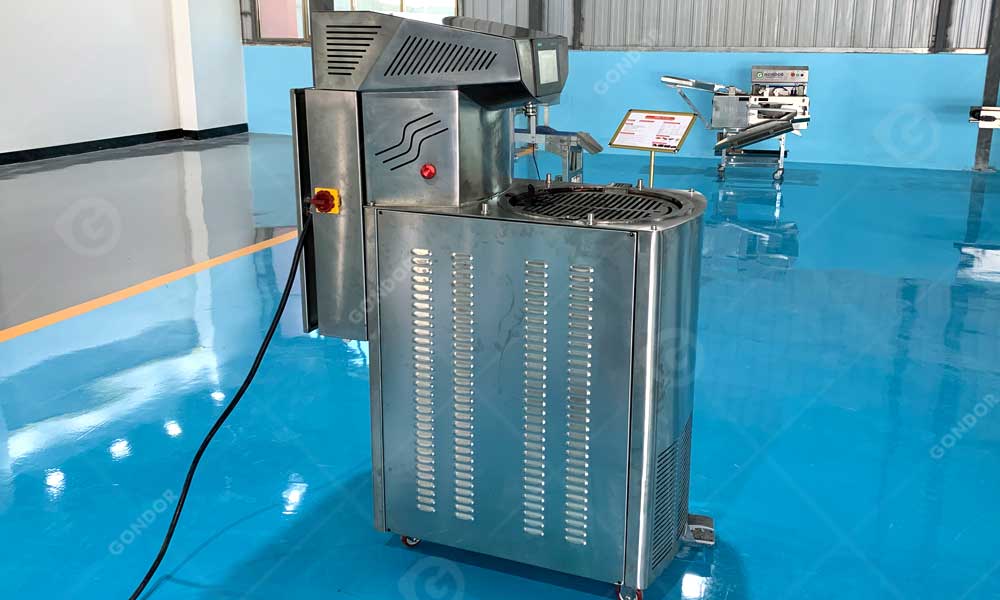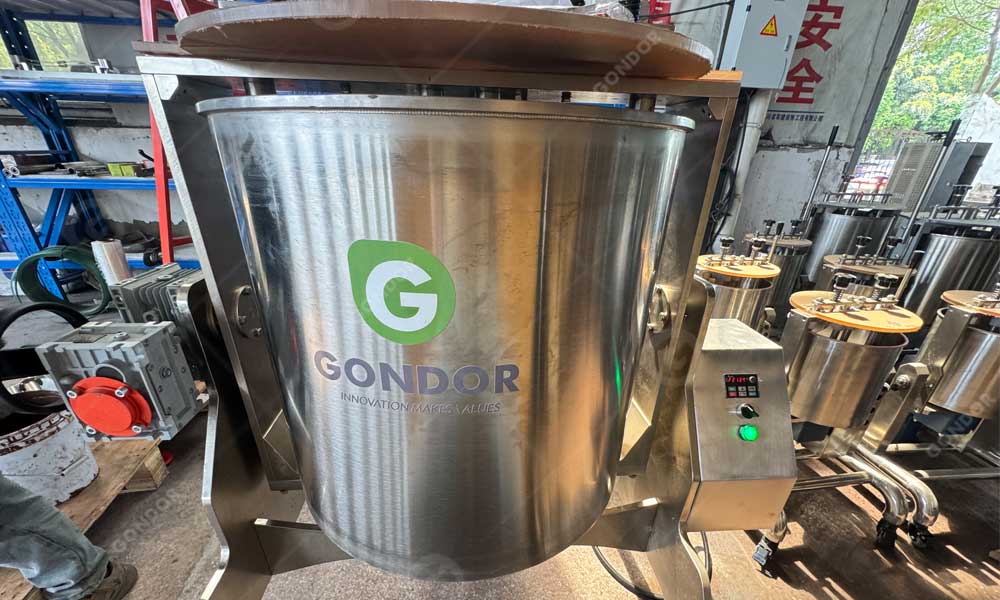


Have you ever been deeply attracted by a smooth and delicate handmade chocolate that melts in your mouth instantly? The sense of happiness that gently melts on your tongue is beyond what ordinary industrial chocolate can offer. And the core behind creating this wonder is often hidden in a seemingly cumbersome but actually “magical” machine – the chocolate grinder.
The significance of the chocolate milling machine
Why do some chocolates have a smooth and creamy texture while others are coarse, sticky, and have unstable flavors? The key factors often lie not only in the recipe but also in the equipment operation. Among them, the core value of the chocolate grinding equipment lies in gradually refining the materials while controlling the temperature rise, fluidity, and output stability. Once the parameters are not set properly or the equipment is not cleaned and maintained properly, problems such as a gritty texture, blockage, overheating, and oil separation are prone to occur.
Many people believe that all they need to do is pour in cocoa butter, cocoa powder and sugar, and press the start button, and everything will be fine. However, why is it that with the same recipe, some factories produce a smooth and creamy paste that melts in the mouth, while others have a gritty texture or even a burnt taste?
The difference lies in the operational details. Chocolate grinding is not merely a physical “crushing”, but also involves complex temperature control, rheological changes, and precise distribution of material particle sizes.
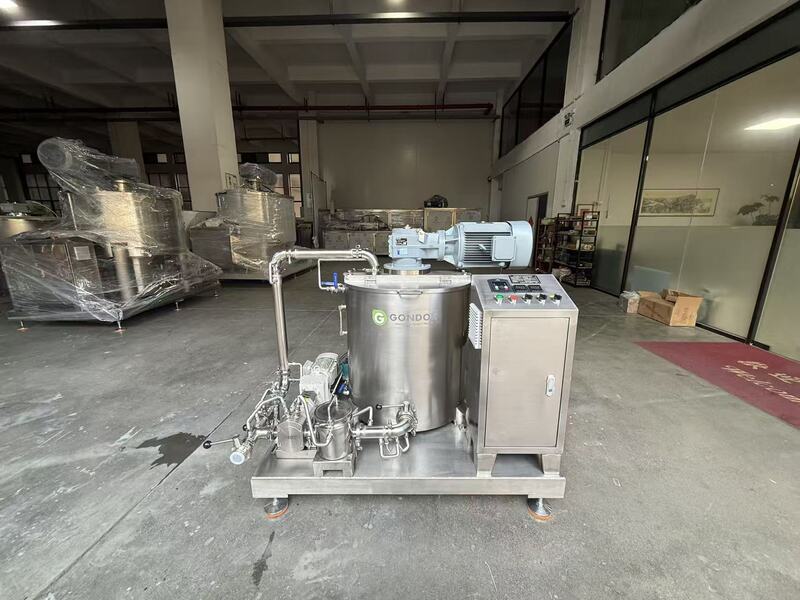
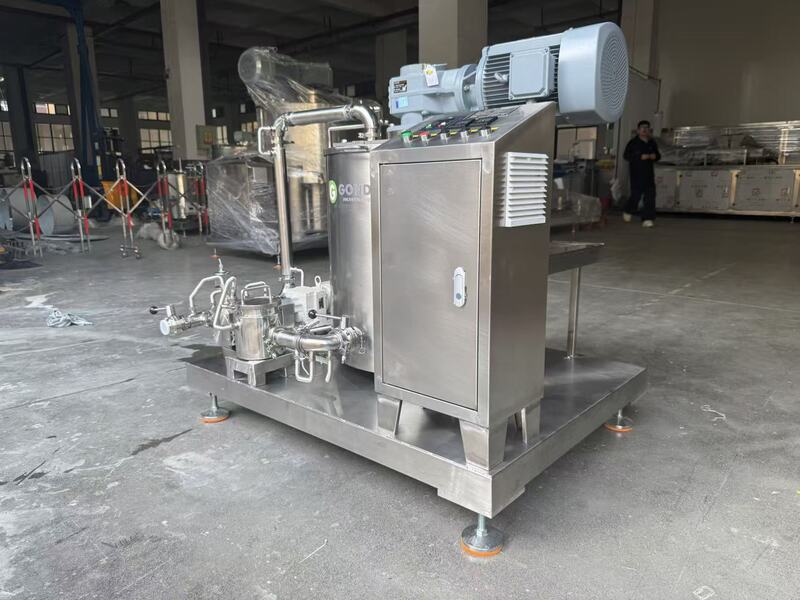
So, do you know how to operate a chocolate mill?
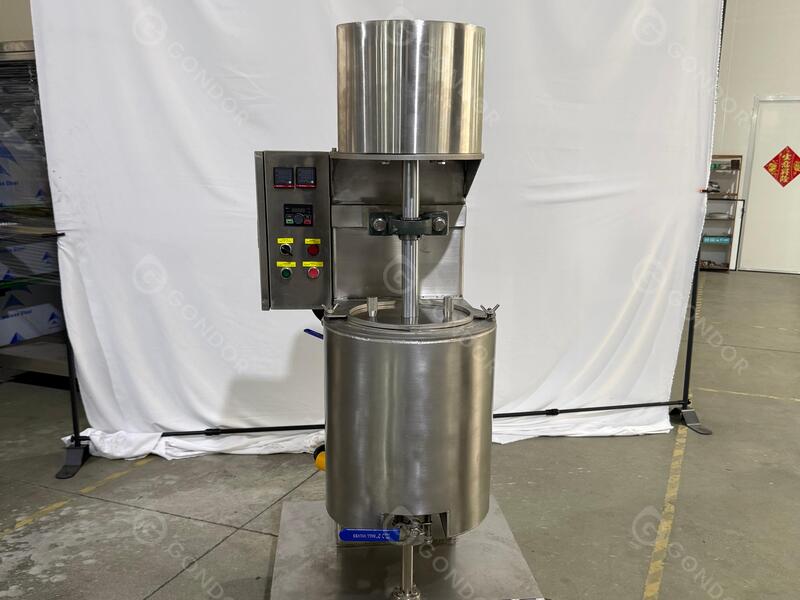
Be familiar with the core structure and functions of the chocolate grinder.
The essence of grinding is balance. If one strives for extreme fineness while neglecting the fluidity of the material, the slurry will become too thick and may even damage the motor.
Chocolate milling pre-operation preparations
Before starting the production operation of the ball mill, three “check-ups” must be conducted:
Five Steps to Complete Chocolate Grinding
Operating a chocolate grinder is essentially a precise experiment involving time, temperature, and patience. It doesn’t require advanced mechanical knowledge, but it does require a heart that respects the raw materials and the process.
From warming the raw materials to controlling the temperature during grinding, and finally cleaning and maintenance, every detail silently speaks to your dedication to chocolate quality. When you strictly follow these five steps, you will find that the once-roaring machine is no longer cold steel, but a “magic wand” extending from your hands, capable of turning cocoa beans into gold.