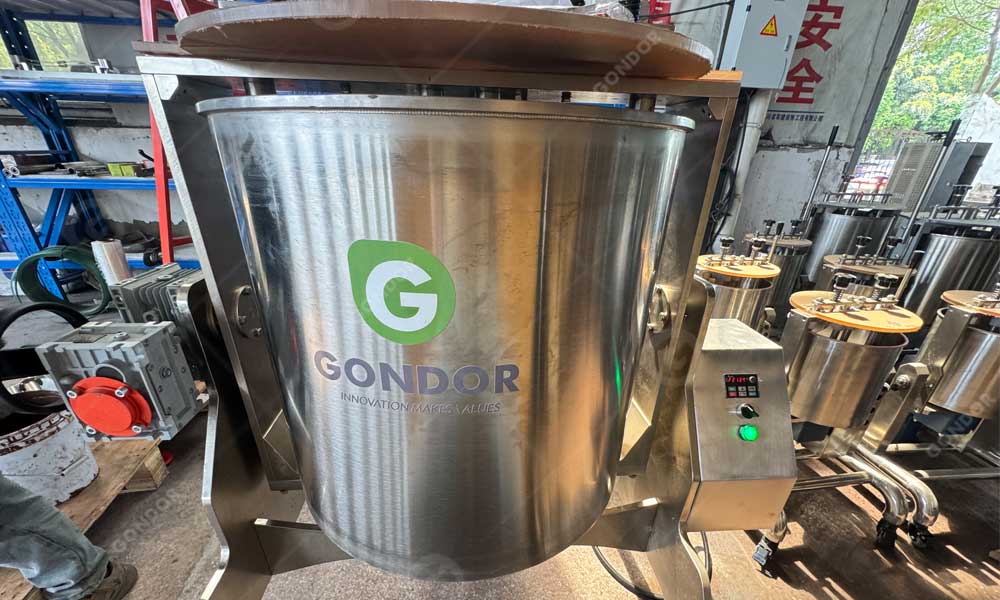


When purchasing a chocolate grinder, many buyers initially focus on comparing prices. However, for factories, baking brands, or bean-to-bar studios that truly aim to stabilize their chocolate production, price is only one aspect.
Before purchasing a chocolate grinder, we need to understand the following aspects of it:
1. Grinding fineness, 2. Batch capacity, 3. Grinding time, 4. Raw material compatibility, 5. Equipment material, 6. Cleaning convenience, 7. Voltage and power, 8. Continuous operation stability, 9. Connection between the front and rear production lines, 10. Customization and service capabilities of the supplier.
More importantly: Can this machine successfully grind the cocoa particles into a fine chocolate paste? Is it suitable for your production volume? Is the post-processing, maintenance and connection with the production line convenient?
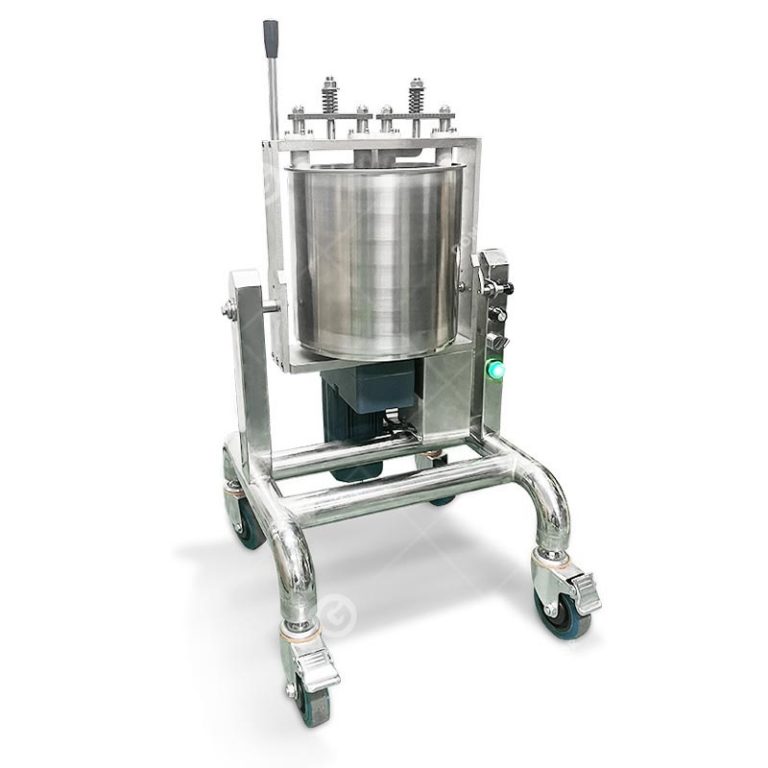
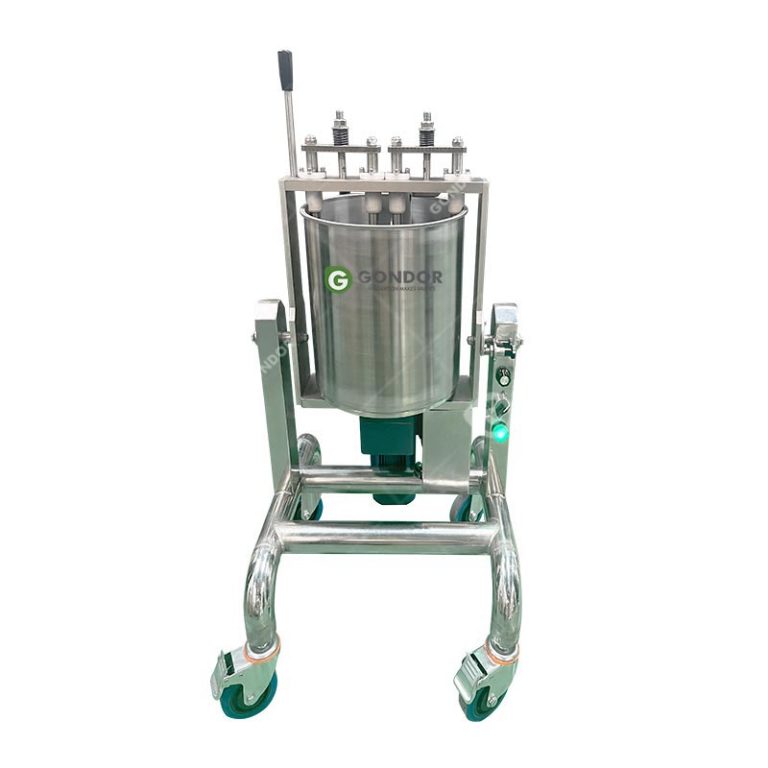
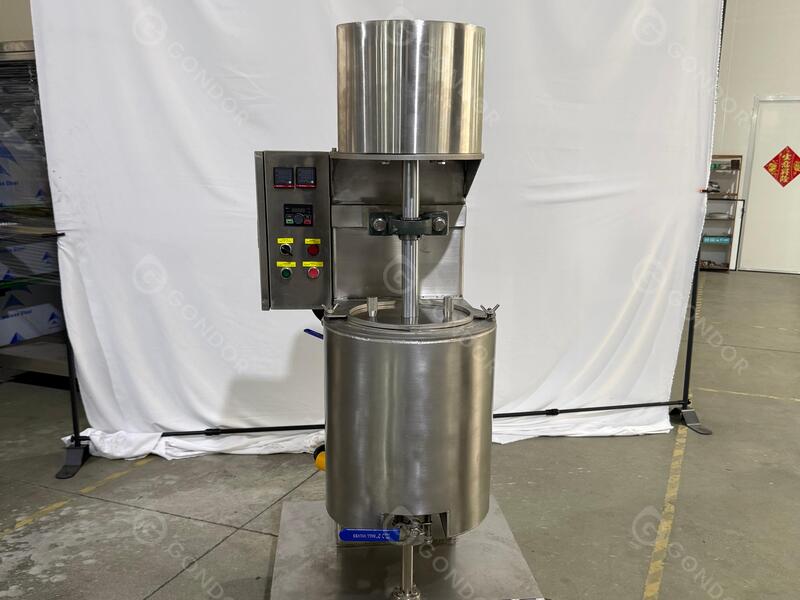
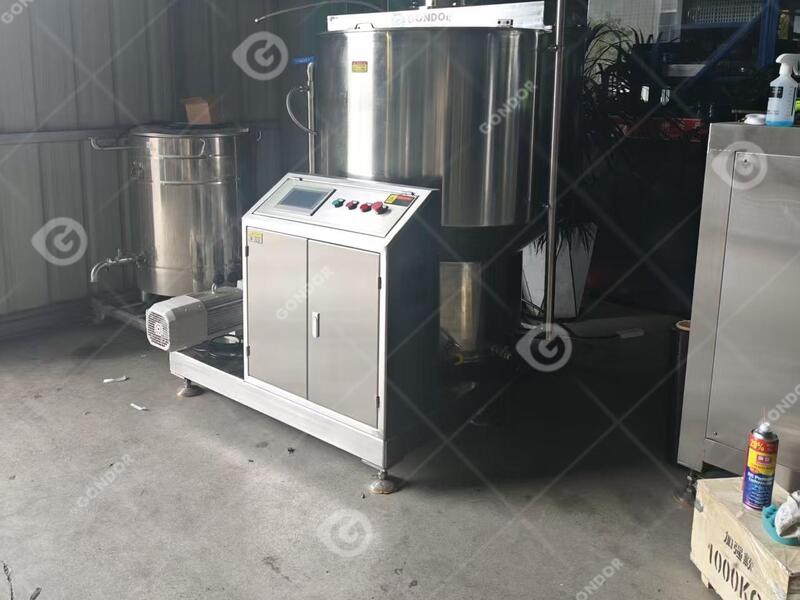
Gondor produces chocolate grinder machines are mainly used to grind the roasted cocoa nibs into fine and smooth chocolate liquor, which can be used for subsequent processing of chocolate blocks, coatings, fillings, desserts, and many other chocolate products. The product page indicates that the fineness of the equipment can reach <25μm. The capacity models include 10L, 25L, 60L, and 100L. The grinding time is generally 24–48 hours. The material is 304 stainless steel and supports configuration options for different production capacity requirements.
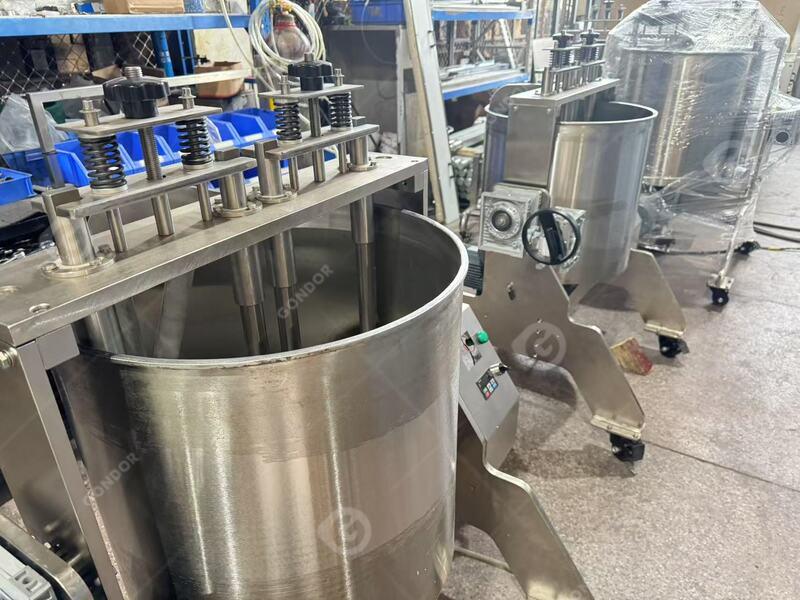
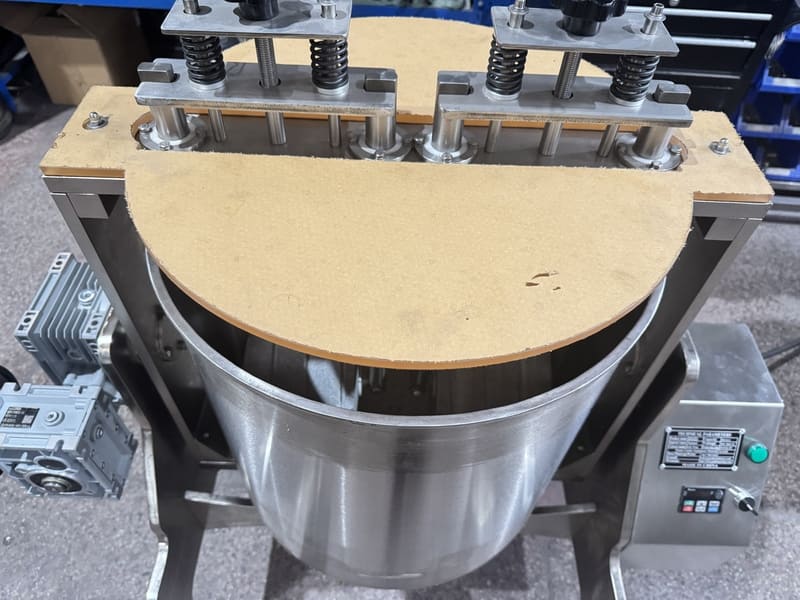
1.Confirm whether the grinding fineness meets the taste requirements of the product.
The texture of chocolate largely depends on the fineness of the particles. If the particles are too coarse, the finished product will have a noticeable gritty sensation when eaten. However, if the fineness is stable, the chocolate will be smoother and easier to achieve a high-quality texture.
For commercial production, it is recommended to pay attention to whether the machine can achieve a fineness range of around 25–30 μm. The Gondor chocolate grinder is labeled with a grinding fineness of <25 μm, which is quite suitable for chocolate processing scenarios where a smooth texture is required.
2. Select the appropriate capacity based on the production volume.
Many customers will directly ask: “How much is the largest model?” However, based on actual sales experience, the largest model may not always be the most suitable option. Small studios might need more flexibility for trial production; medium-sized factories, on the other hand, are more concerned about stable mass production.
If you only produce small batches of high-end chocolate every day, 10L or 25L might be more suitable;
If you already have stable orders, 60L or 100L would be more in line with the requirements for continuous production.
3. Understand the grinding time
Chocolate grinding is not a process that can be completed in just a few minutes. To achieve a fine texture and stable flavor, it usually requires continuous grinding for a longer period of time. The grinding time for this series of machines is generally 24 to 48 hours.
This means that buyers need to plan the production schedule in advance before making the purchase. For instance, do they need to produce materials every day? Do they require multiple machines to work in rotation? Do they need to combine storage tanks, melting cylinders or temperature control machines? These questions will directly affect the efficiency of the entire production line.
4. Confirm the raw materials for processing
Chocolate grinders usually do not directly process whole cocoa beans. Instead, they are more suitable for processing cocoa nibs that have been roasted, shelled, and crushed.
Therefore, buyers need to confirm whether they already have the necessary pre-processing equipment, such as cocoa bean roasters, hulling machines, air classifiers, etc. If not, it is recommended to consider a complete cocoa processing or bean-to-bar configuration when purchasing the grinding machine, to avoid the situation where the machine cannot be directly put into production after delivery.
5. Pay attention to the material of the equipment
Chocolate is a high-value-added food product. The material of the equipment cannot be chosen randomly. The parts in contact with the materials should have good corrosion resistance, hygiene, and ease of cleaning.
The Gondor device is made of 304 stainless steel, which is an important basic configuration for food processing enterprises. When purchasing, it is recommended that customers further confirm the material of the contact material part, the structure of the rollers or grinding components, and whether it is convenient for daily cleaning.
6. Pay attention to whether the operation and cleaning are convenient
For small chocolate workshops, the ease of operation of the machines is often more important than the complexity of automation. This is because in daily production, changing batches, altering recipes, and cleaning equipment are all very common occurrences.
Many chocolate grinding equipment are easy to operate and clean, and are designed with detachable drums and food-grade materials. Such designs can reduce cleaning time, lower the labor burden, and are more suitable for production methods that involve multiple flavors, small batches, and frequent material changes.
7. Verify voltage and power
The industrial voltages vary across different countries and regions. Before purchasing, it is necessary to confirm whether the equipment can be compatible with the local power supply, such as 220V, 380V, single-phase or three-phase electricity.
It is recommended that buyers clearly state the country of use, factory voltage, frequency and plug standard during the inquiry. This way, the supplier can make the electrical configuration match in advance, reducing the risk of later modifications.
8. Determine whether the machine is suitable for continuous operation
Chocolate grinding usually requires a long working time, so the stability of the equipment is extremely crucial. The motor, grinding components, heat dissipation structure and the entire frame of the machine all affect the continuous operation performance.
For buyers, it is recommended to ask the supplier if they have similar customer cases, operation videos and long-term usage feedback. This is more valuable for reference than simply looking at the parameters.
9. Consider the connection with the entire chocolate production line
The chocolate grinder is not an isolated device. After grinding, the material usually needs to go through further processes such as refining, temperature regulation, shaping, coating or cooling.
The product page also mentions that this equipment can be connected with devices like chocolate conching machine, chocolate tempering machine, melting tanks, molding line and enrobing machine.
If you plan to build a complete chocolate production line, it is recommended not to just inquire about the price of individual machines, but to inform the supplier of your final product: chocolate blocks, chocolate sauce, coating products, filling products, or bean-to-bar products. This will make it easier to obtain a reasonable configuration.
10. Select a supplier that can offer customization and technical support.
A good chocolate grinder is not just something that “can be turned on when bought”. What’s more important is whether the supplier can offer suggestions based on your production volume, recipe, local voltage, workshop space and subsequent expansion plans.
Gondor offers OEM and ODM services, including customizable options such as capacity, voltage configuration, and brand labels. For overseas buyers, these services are crucial as production practices, packaging formats, and electrical standards can vary across different markets.
When purchasing a chocolate grinder, the best approach is not to merely compare prices, but to make a comprehensive judgment based on factors such as product quality, production efficiency, equipment stability, and future scalability.
Fineness determines the taste, capacity determines the production capacity, material affects hygiene and lifespan, and the connection ability of the production line determines whether you can smoothly expand production in the future.
If you are establishing a chocolate factory, upgrading an existing production line, or preparing to enter the bean-to-bar chocolate market, it is recommended to clarify the following information first: How much chocolate do you plan to produce daily? Are the raw materials cocoa nibs or pre-processed chocolate paste? What are the target products – chocolate blocks, coatings, or filled snacks? What is the local voltage? The more clear these details are, the easier it will be for the suppliers to recommend the truly suitable machine configuration for you.