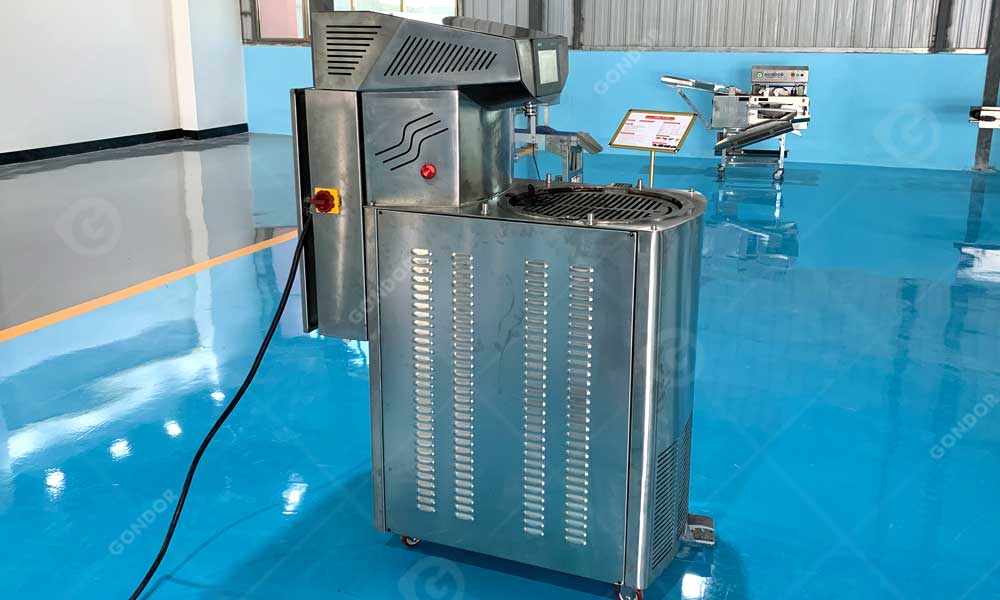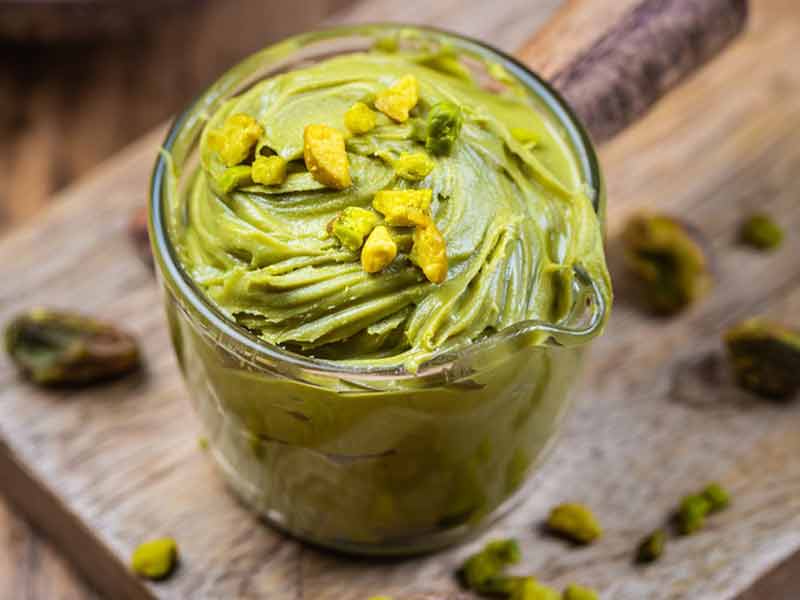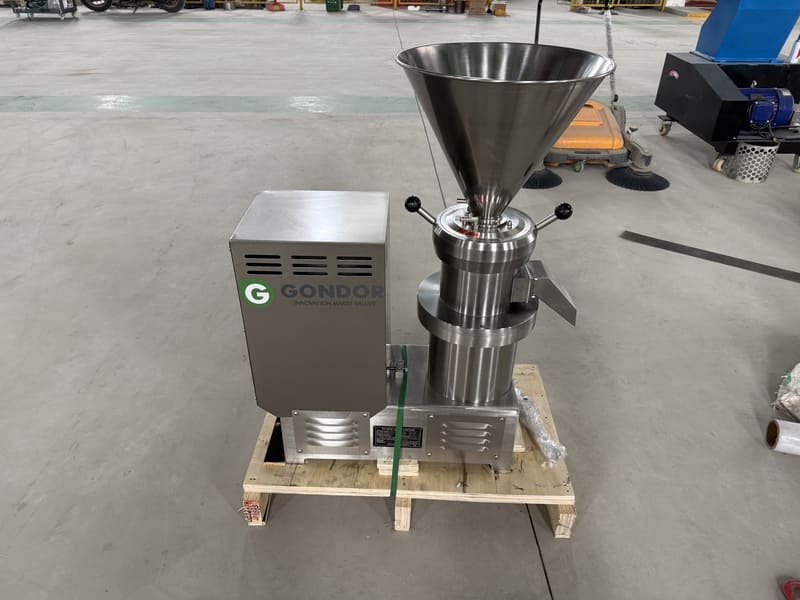


The chocolate coating process is not as simple as “pouring chocolate on.” It’s a continuous coating system: the front end has temperature control and feeding; the middle section completes the base coating, upper curtain coating, thickness control, and trimming; and the rear end uses a cooling tunnel to stabilize and crystallize the chocolate before it enters the next packaging stage. Truly excellent coating results rely not on a single component, but on the coordinated operation of the entire line in terms of temperature, flowability, reflux, vibration, and cooling rhythm.
This is why, even when both involve “coating a layer of chocolate,” the finished products made by hand and those made by industrial coating machines will show significant differences in gloss, thickness uniformity, edge integrity, and production efficiency.
The Role of Chocolate Coating Machines:
Chocolate coating machines are typically used for biscuits, wafers, energy bars, filled candies, baked goods, and some nut products. The product’s “core” is first prepared before entering the coating stage. In other words, the coating machine solves the problem of “how to stably, evenly, and continuously coat the outer layer,” rather than shaping the entire product from scratch. This is important because many buyers, when first encountering chocolate coating equipment, easily confuse the shaping, coating, and cooling processes. In reality, a coating machine is more like a very reliable “surface treatment expert.”
So, how exactly does a “naked” food item transform into a luxurious chocolate work of art? Gondor, a veteran in the food machinery industry, will take you inside the production line today to break down the working logic of this core piece of equipment.
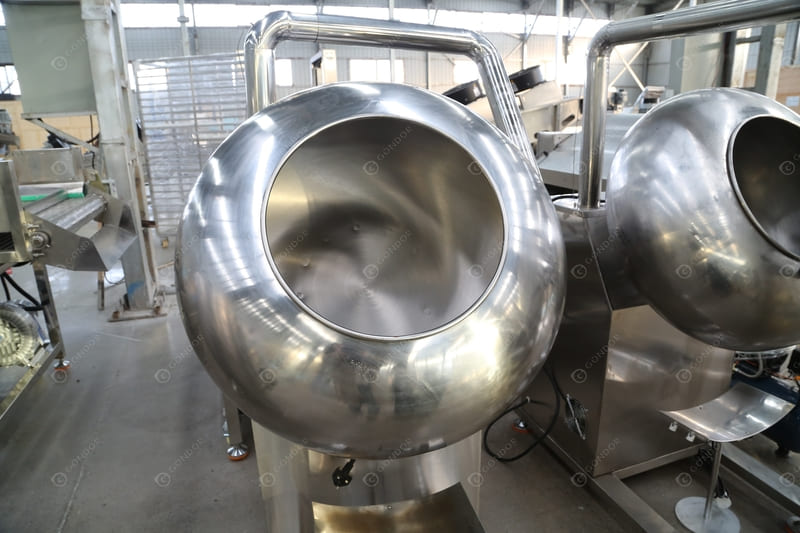
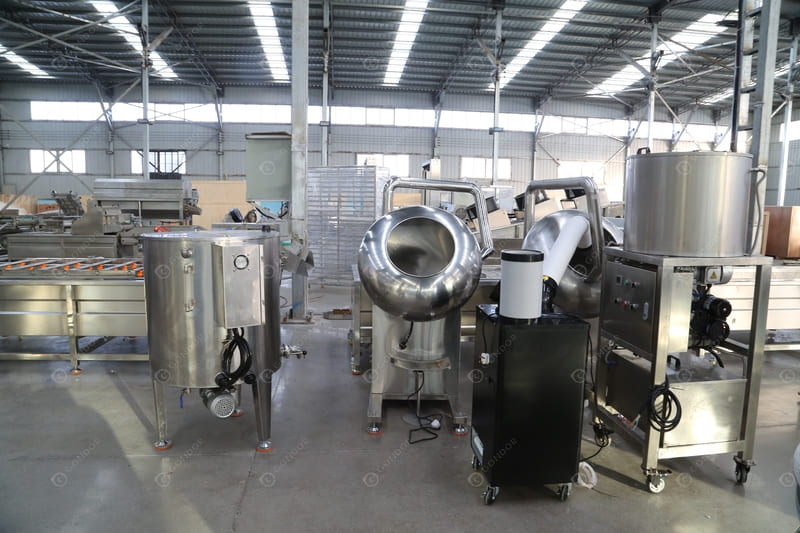
Coating Machine Structure
Before understanding the process flow, we must first understand its core components. A professional-grade chocolate coating machine is a complex system, mainly composed of the following parts:
Step 1: The Coated Product Enters the Machine
The starting point for chocolate coating isn’t the chocolate itself, but the product. The coating machine typically connects to a conveyor belt, and pre-formed cookies, wafers, cake pieces, sticks, or candy centers enter the conveyor belt or system according to a set rhythm. The common conveyor belt structure allows for smooth product passage and facilitates the return and recycling of excess chocolate.
Step 2: The Chocolate is Melted and Tempered
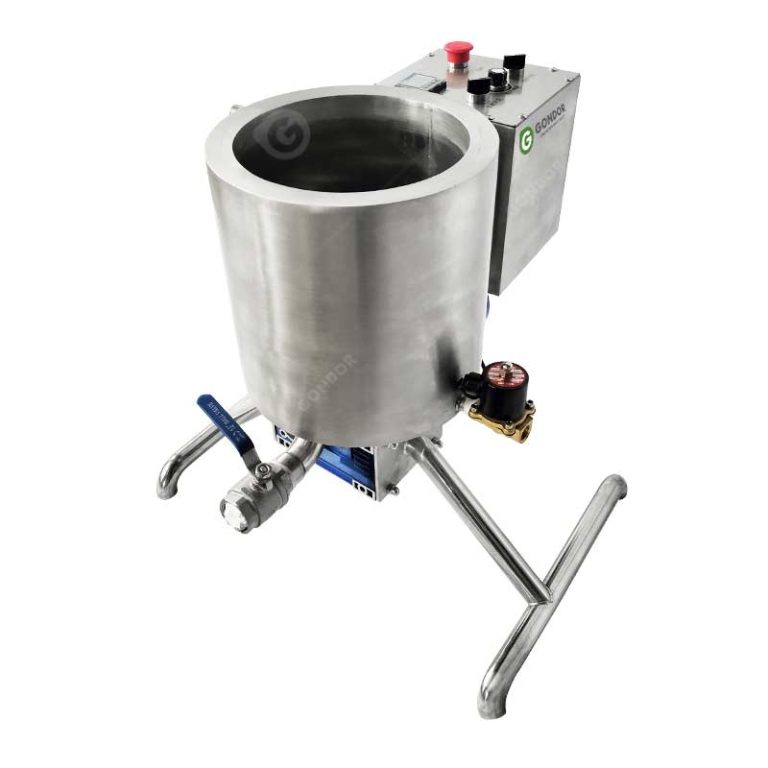
If the coating machine is the executor, then the tempering system is its “heart station.” True chocolate coating isn’t just about melting the chocolate; the key is maintaining it at the ideal temperature and crystallization state.
The essence of tempering is to use controlled heating, cooling, and reheating to allow the fats in the chocolate to form a more stable crystalline structure. A chocolate tempering machine allows for precise temperature control during this process.
Melting and tempering result in a glossier final surface, a crisper texture, and a less prone to graying, dulling, or unsightly appearances later on.
Step 3: Chocolate is Pumped and Circulated
Once in production, the tempered chocolate doesn’t simply flow by gravity; instead, it’s stably transported to the coating section via pumps and a circulation system. The machine typically includes storage tanks, flow trays, pipes, heating or insulation structures, and a reflux design.
This has several advantages: First, the chocolate flow rate is more stable;
Second, excess chocolate can be returned to the system;
Third, the temperature doesn’t fluctuate significantly due to prolonged storage.
Step 4: Base Coating, Then Top Coating
This is the most visible and often misunderstood step. Many people think coating is simply the product passing under a chocolate waterfall, but a complete coating process usually involves more than one step. For many products, the machine first applies a base coating, ensuring the bottom of the product contacts the chocolate; then the product continues forward, passing through the continuously formed chocolate curtain above, covering the top and sides.
The value of an industrial coating machine lies in its ability to transform “being able to coat” into “coating evenly and repeatably” through the coordinated action of the bottom and top.
Step 5: Blowing, Vibration, and Tail Trimming
Passing through the chocolate curtain doesn’t mean the process is over. There’s often excess chocolate on the surface. Direct cooling would result in excessive thickness, noticeable buildup at the bottom, and a small tail at the back. Therefore, coating machines typically include a blower, vibration mechanism, and detailer in the latter part. Blowing controls the thickness of the surface chocolate; vibration helps remove excess chocolate from the bottom and ensures a more even coating distribution.
Step 6: Decoration or Topping
On many mid-to-high-end product lines, decorative lines, serrated edges, partial glazing, or toppings like chopped nuts, coconut flakes, and sugar granules are added after coating. The chocolate surface still has some adhesiveness at this stage, making it easier for decorations to adhere. Some production lines connect a decoration section after the coating machine before entering the full cooling tunnel. This design makes the product not only “tastier” but also more easily recognizable.
Step 7: Cooling Tunnel for Shaping
Coating cooling is not just about “cooling” the product. More accurately, it’s a process of controlled shaping of the chocolate. Industrial production lines typically connect coating machines directly to cooling tunnels. Through pre-set air distribution, bottom cooling, and conveying time, the chocolate crystallizes and solidifies under relatively stable conditions.
In simpler terms, the working principle of a chocolate coating machine is: pre-formed food is passed at a steady pace through a temperature-controlled and circulation-regulated chocolate coating system. Airflow, vibration, trimming, and cooling transform the liquid chocolate into a uniform, stable, and reproducible outer layer.