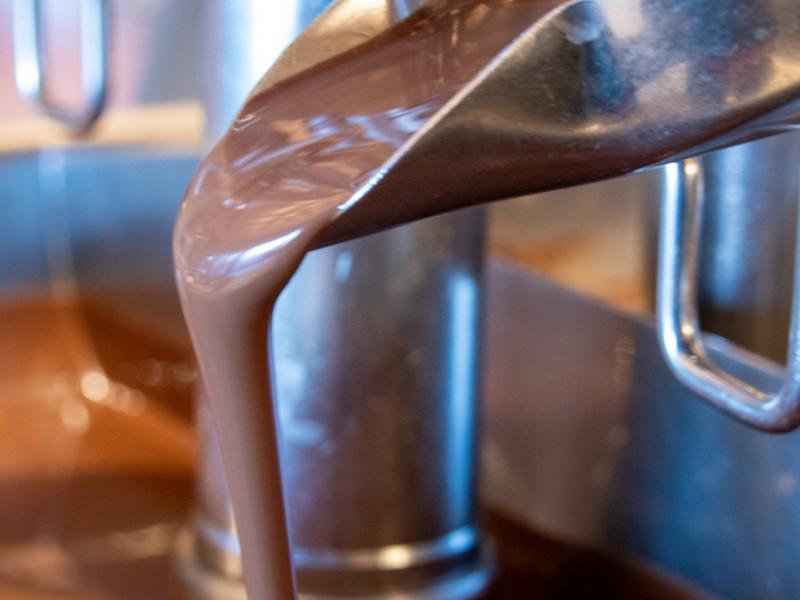
Taking a bite of high-quality black chocolate, the silky, velvety taste is the magic brought by the crucial “cocoa conching” process in chocolate manufacturing. This step is the core to distinguish the cheap powder feeling from the award-winning luxury taste. Today, we will reveal the principle behind the professional chocolate refining machine, and teach you how to use this ultimate means of balancing flavor at home to make perfect dark chocolate ganache.
What Exactly is Chocolate Conching?
Invented accidentally by Rodolphe Lindt in 1879—who famously left his heavy mixing machinery running over a long weekend—chocolate conching is a prolonged process of heating, churning, and aerating refined cocoa mass. When cocoa beans are crushed and ground, they do not automatically taste like the chocolate we love. They are highly acidic, intensely bitter, and full of microscopic, sharp-edged particles.
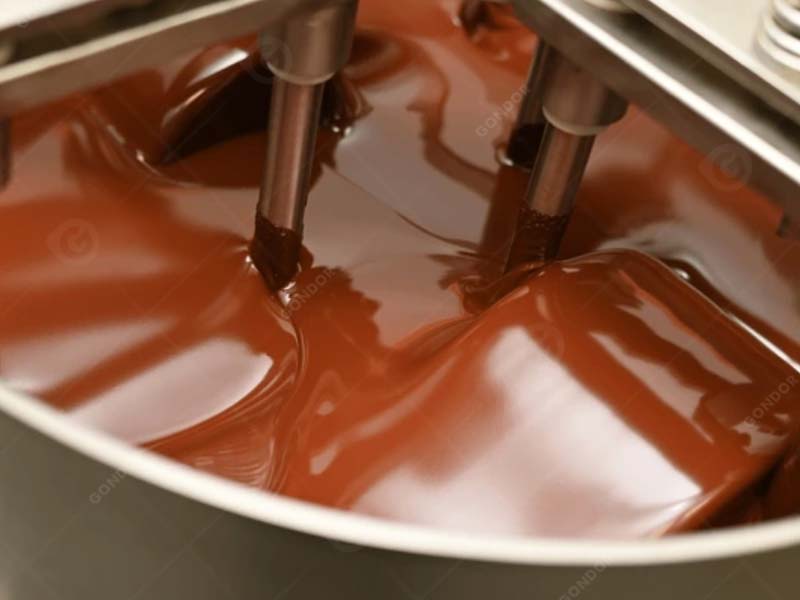
- Flavor Optimization: Heating and continuous airflow will gently evaporate unwanted volatile compounds-especially acetic acid that smells and tastes like strong vinegar.
- Texture Change: Physical shear force causes solid particles (cocoa and sugar) to rub against each other and smooth their sharp edges and corners. At the same time, it can ensure that every tiny particle is perfectly wrapped in smooth cocoa butter.
Why the Right Conching Machine for Chocolate Matters
On forums like Reddit and Quora, small-batch chocolate makers often ask: “Can I just use a standard stone grinder (melanger) and call it a day?” The short answer is: you can, but your flavor will suffer.
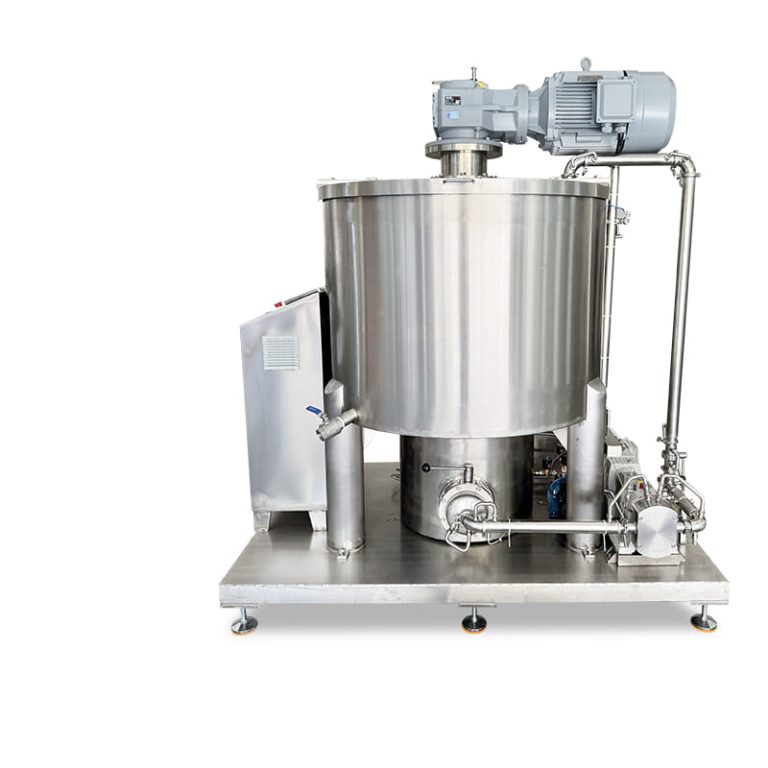
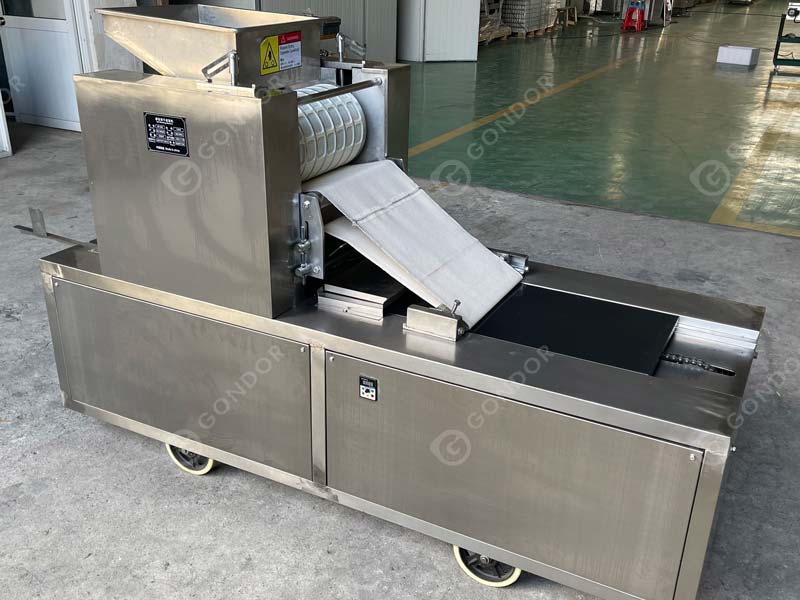
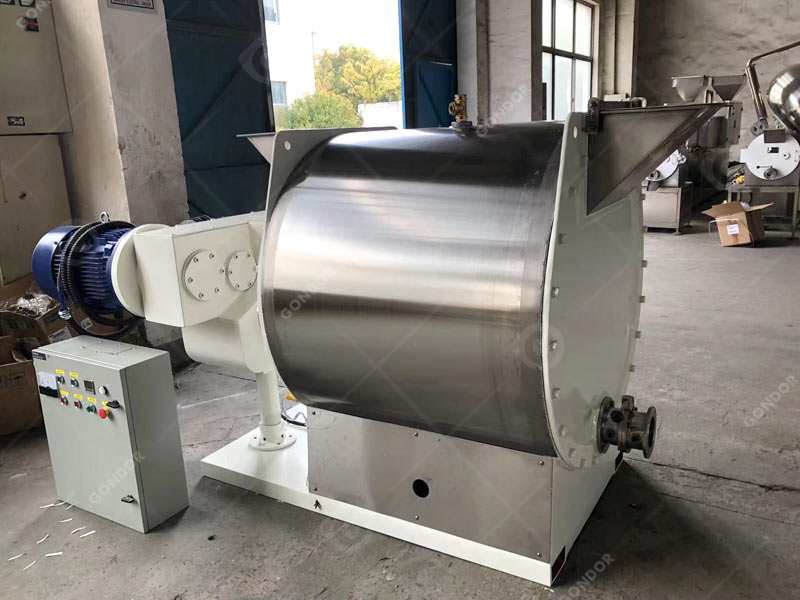
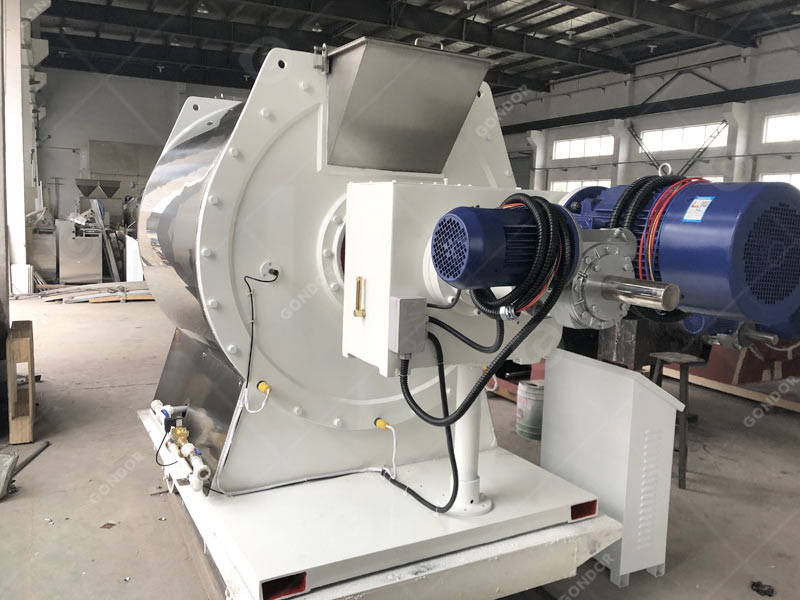
A standard grinder focuses entirely on reducing particle size below 20 microns so the human tongue cannot detect graininess. However, a dedicated commercial conching machine for chocolate introduces controlled heat, specialized shear stress, and high-volume aeration.
Recipe: The Ultimate Conched 70% Dark Chocolate Ganache
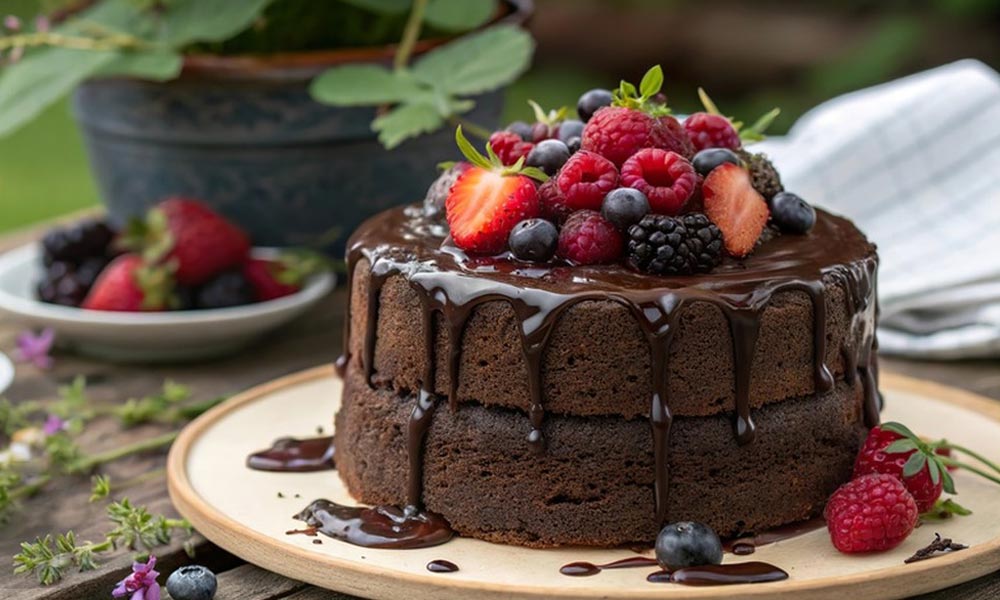
While true chocolate conching happens at the raw manufacturing stage, professional pastry chefs can emulate the “wet conching” phase. By introducing controlled heat and continuous friction to high-quality couverture chocolate, you can drive off residual bitterness and emulsify liquid fats into a spectacular, ultra-glossy ganache perfect for luxury truffles or cake fillings.
| Ingredient | Weight (Metric) | Baker’s Percentage | Purpose |
| 70% Craft Dark Chocolate (Coarsely Chopped) | 300g | 100% | The flavor foundation |
| Heavy Cream (36% Fat Content) | 200g | 66.6% | Provides liquid emulsion |
| Unsalted Cocoa Butter (or High-Quality Butter) | 30g | 10% | Enhances the velvety melt |
| Sea Salt Flakes | 1 pinch | — | Sharpens cocoa profiles |
Step-by-Step Preparation
Pro Tip from the Factory Floor:
If your ganache looks oily or split, do not panic! Your emulsion broke because the fat separated from the liquid. Simply whisk in a single teaspoon of warm milk or water, step by step. The added moisture will instantly re-bind the cocoa particles and restore a silky, glossy texture.
Refining Equipment: Lock Flavor and Stabilize Quality
Whether you are a craftsman who launched the product line “from beans to strips” or an industrial food enterprise that optimized the assembly line, investing in a high-performance chocolate conching machine is a key step to achieve product stability. By accurately balancing refining time, aeration mode, and mechanical shear force, you can remove the rough and astringent taste, while firmly locking the precious regional flavor in cocoa beans, so that each batch of chocolate has stable and excellent quality.