

Chocolate tempering is a crucial step in chocolate making, determining the chocolate’s shine, texture, and stability. For chocolate producers and home baking enthusiasts, mastering the use of a chocolate tempering machine is essential.
Why is a chocolate tempering machine needed?
Chocolate contains cocoa butter, which forms a stable crystalline structure during heating and cooling. Tempering precisely controls the temperature to ensure the cocoa butter forms the most stable V-shaped crystals. This ensures a smooth surface, crisp texture, and good bloom resistance after the chocolate solidifies. Simply melting and cooling chocolate may result in reverting to crystal form IV or even VI, leading to a poor shine, a soft texture, and easy discoloration.
Without proper tempering, chocolate may become dull, brittle, or difficult to unmold. Using a professional chocolate tempering machine simplifies this process, reduces human error, and increases efficiency. Chocolate tempering machines can stably control the melting, cooling, and reheating processes, resulting in a high-quality product.
Knowing What a Chocolate Tempering Machine Is
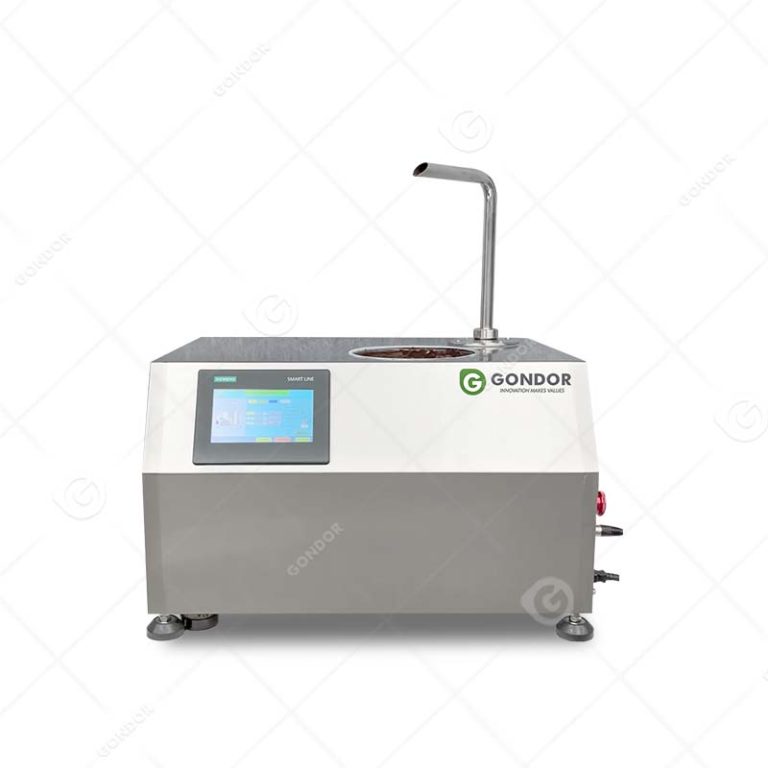
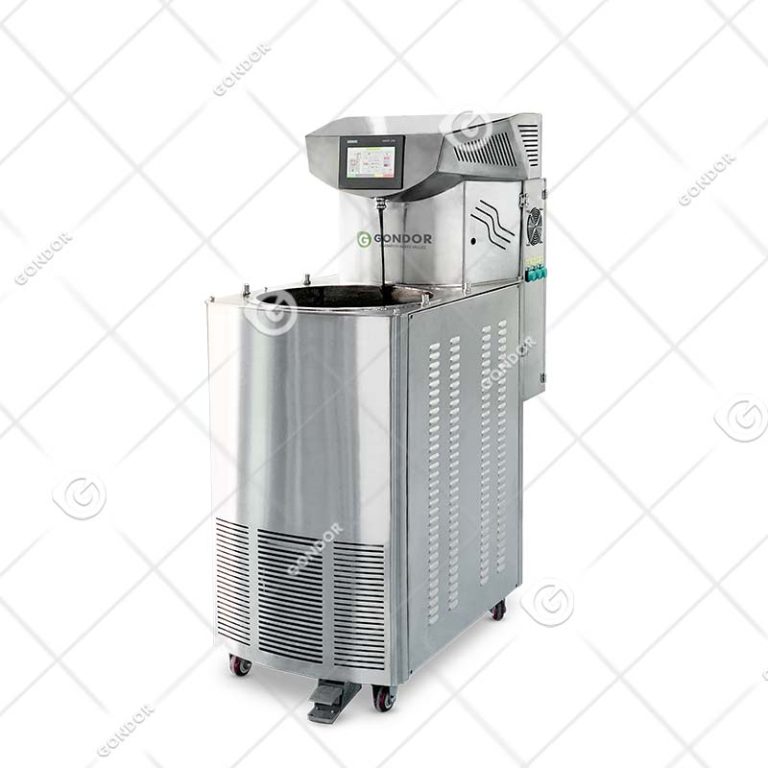
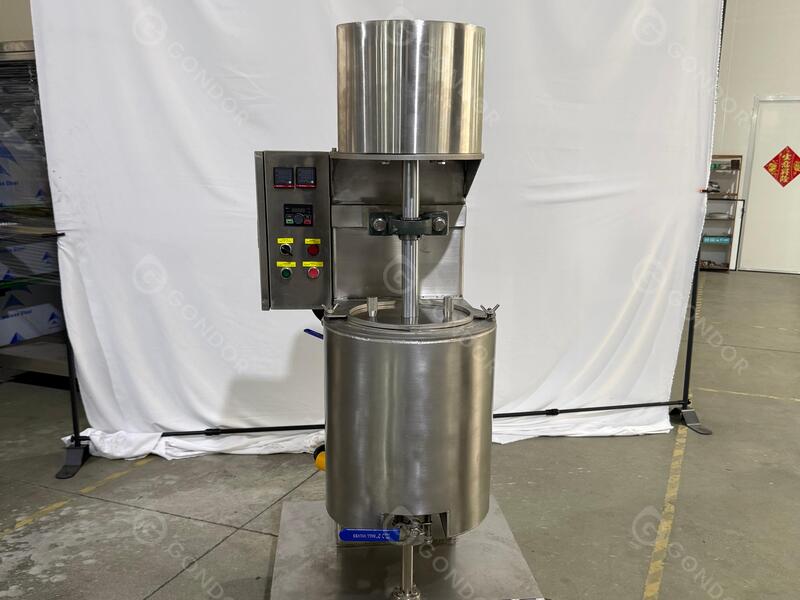
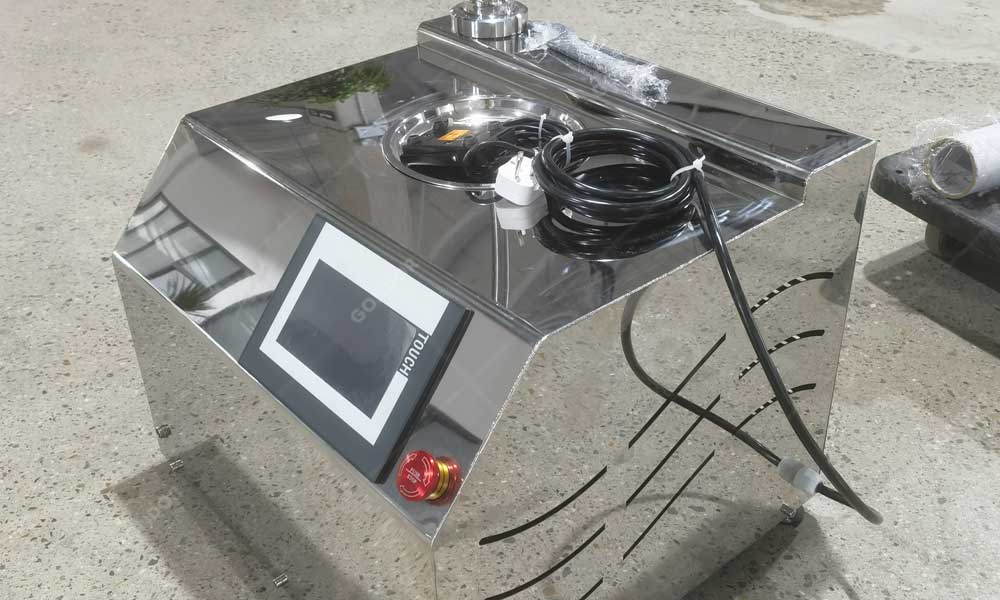
A chocolate tempering machine is a device used to heat, cool, and stir chocolate syrup. Its core function is to precisely control the temperature to allow cocoa butter to form a stable β-type crystal structure, thus giving the chocolate its ideal shine, crispness, and shelf life. This process, known as “tempering,” is an indispensable step in the processing of pure chocolate (containing cocoa butter).
Understanding what a chocolate tempering machine is used for will help you use it efficiently and safely in your production or factory environment.


How to use a chocolate tempering machine?
Different types of chocolate tempering machines may have slight differences, but the basic steps are similar. Here are 5 steps to using a tempering machine for chocolate.
Preparation
Adequate preparation is key to success before starting any chocolate tempering machine.
Chocolate Tempering Machine Operating Procedures
Different types of chocolate tempering machines may have slight differences, but the basic steps are similar.
Step 1: Melting Stage
Load chopped or granulated chocolate into the machine’s feed tank or mixing chamber (uniform particle size is recommended to speed up melting). Set the machine to the melting temperature, such as approximately 45-50°C for dark chocolate (or according to the machine’s instructions).
When using a chocolate tempering machine, avoid direct high-temperature heating to prevent burning the chocolate. The machine will automatically stir to ensure even heat distribution. The goal of this stage is to completely melt all the crystals, preparing for subsequent tempering.
Step 2: Cooling Stage
Once the chocolate is completely melted, the machine will automatically enter the cooling stage. This is the core of tempering; the temperature needs to be precisely lowered to promote the formation of stable crystals. Cool to approximately 27-29°C (dark chocolate) or slightly lower to allow the cocoa butter to begin forming stable crystal nuclei.
Step 3: Reheat to Operating Temperature
After cooling, raise the temperature to the operating temperature—for example, approximately 31-32°C for dark chocolate, and slightly lower for milk/white chocolate. During this stage, the equipment continues to stir, allowing the stable crystal structure to dominate, thus giving the chocolate the fluidity suitable for pouring, mold filling, or coating.
Step 4: Maintain Temperature
Once the chocolate tempering machine is stable, pouring, mold filling, or coating operations can begin.