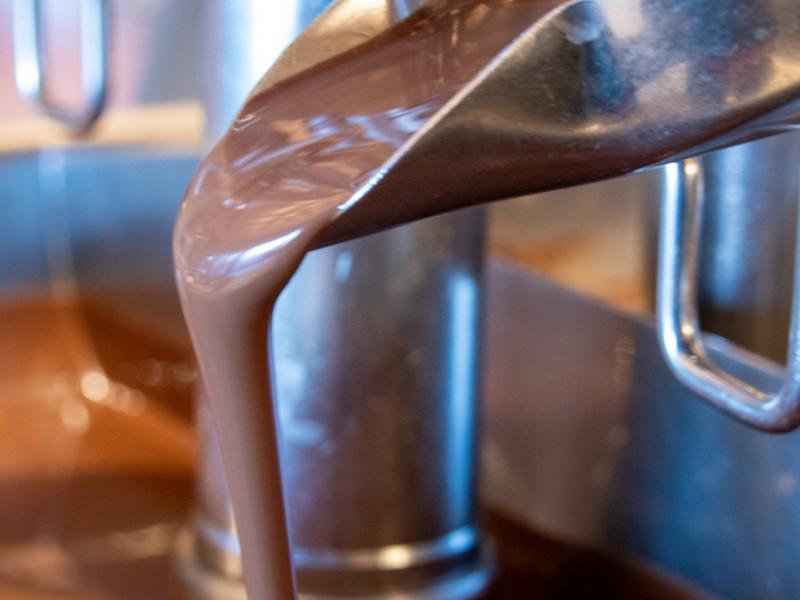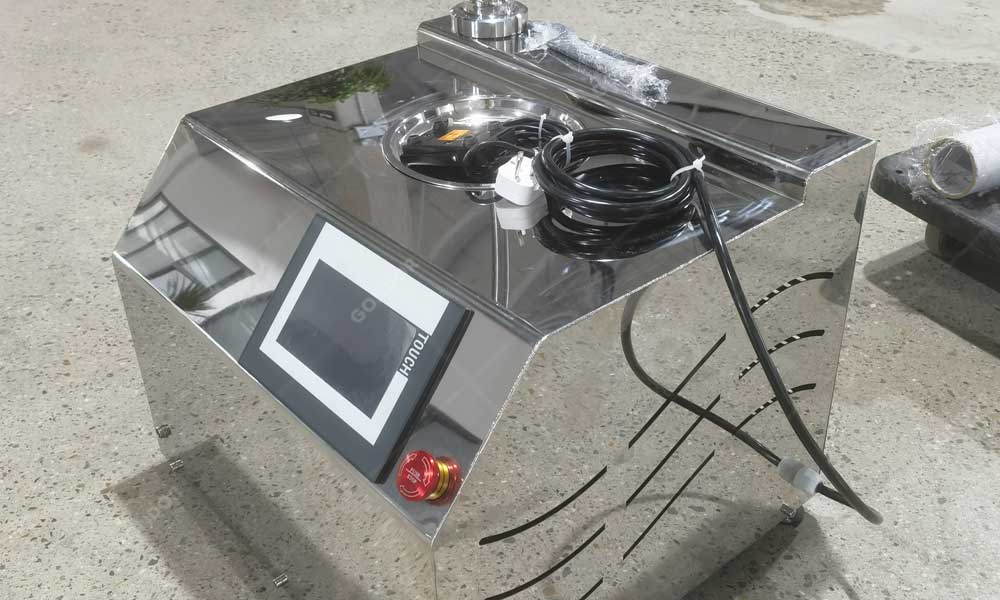


Cocoa butter is the soul of chocolate’s “melt-in-your-mouth” texture and a precious base for high-end cosmetics and pharmaceutical ointments. How to efficiently separate cocoa butter from cocoa liquor while preserving flavor is the most technically demanding step in the entire cocoa processing chain. Currently, industrial production commonly uses cocoa presses to accomplish this task.
A cocoa press is not merely a simple physical pressing tool; it is a precise art that integrates mechanical engineering, thermodynamics, and food science, and is widely recognized as the best equipment for extracting cocoa butter from cocoa liquor.
This article will introduce the working principle of a cocoa press, why it is considered the best equipment for cocoa butter extraction, and the key technical parameters and data to consider when selecting one for your factory.
What is a cocoa pressing machine?
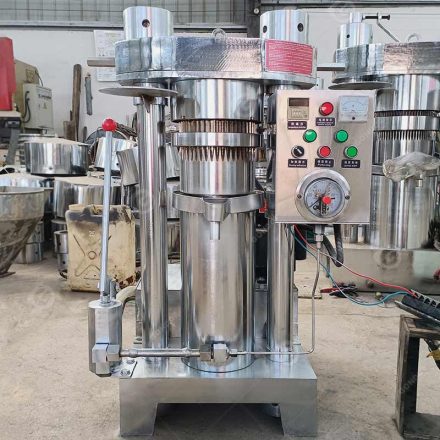
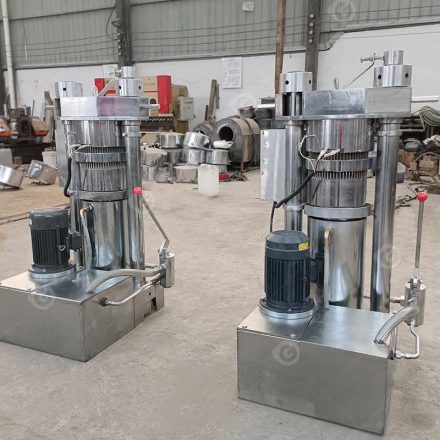
A cocoa pressing machine, also commonly known as a cocoa butter press or hydraulic cocoa press, is a specialized industrial pressing device used to separate cocoa butter from cocoa liquor (ground cocoa chips).
A typical cocoa pressing machine usually consists of the following components:
Cocoa Butter Extraction Process
The cocoa pressing process is typically located in the middle of the cocoa grinding process, and the general flow is as follows:
- Roasting: Roasting the cocoa beans to develop flavor and make the outer shell easier to remove.
- Winnowing: Crushing and removing the shells from the roasted cocoa beans to obtain cocoa nibs, which are the actual raw material.
- Grinding: Grinding the cocoa nibs into cocoa liquor, with a butter content of approximately 50–55%.
- Preheating: Heating the cocoa liquor (usually at 80–100 °C) to maintain the fluidity of the cocoa butter for subsequent pressing.
- Filling the Press: Pumping the hot cocoa liquor into the press chamber or cylinder of the cocoa press.
- High-Pressure Pressing: A hydraulic system generates high pressure (typically 40–60 MPa) to extrude liquid cocoa butter through filter plates, separating it from the solids.
- Butter Collection: The extruded cocoa butter is filtered, cooled, and stored, and may be refined or deodorized as needed.
- Cake Removal: The solid portion remaining in the pressing chamber forms cocoa cake, which is removed, cooled, and then ground into cocoa powder.

The cocoa press is the core link between grinding cocoa liquor and producing cocoa powder, directly determining the cocoa butter yield and cocoa cake quality.
Cocoa Pressing Machine Process Mechanism
Cocoa liquor contains approximately 55% fat, with a particle size below 20μm. Traditional screw presses suffer from high residual fat and low yield due to “slippage.” Modern cocoa presses employ a cold-pressing concept of “hydraulic plunger + end-face filter”:
1.First, a light pressure of 5-8MPa forms a self-filtering layer, trapping fine particles.
2.Then, the pressure is increased to 40-50MPa, forcing the fat through the filter in a liquid state, achieving “fat removal, powder retention.”
3.The temperature is controlled throughout the process at 90-105℃, reducing viscosity and preventing high-temperature oxidation.
This two-stage pressure curve of “sealing first, then pressing” allows for a cocoa butter yield of 38-42% (by dry bean weight), with residual fat as low as 10%, significantly better than the 15-18% residual fat level of screw presses.
Key Technical Data of a Cocoa Pressing Machine
Below is an example of typical technical data for hydraulic cocoa pressing machines at different scales.
| Parameter | Small Press Line | Medium Press Line | Large Press Line |
|---|---|---|---|
| Batch capacity (cocoa liquor) | 15–30 kg | 60–100 kg | 150–250 kg |
| Pressing pressure | 40–55 MPa | 45–60 MPa | 45–60 MPa |
| Cocoa butter yield | 40–44% (of liquor mass) | 42–46% | 44–48% |
| Residual fat in cocoa cake | 12–15% | 10–14% | 10–12% |
| Cycle time per batch | 25–40 min | 30–45 min | 30–50 min |
| Typical hourly throughput | 20–40 kg butter | 80–160 kg butter | 200–350 kg butter |
| Installed power | 5–8 kW | 12–20 kW | 25–40 kW |
| Recommended plant size | Lab / craft / pilot | Small–medium factory | Large industrial plant |
Why is a cocoa pressing the best equipment for cocoa butter extraction?
Compared to manual labor or non-professional hydraulic presses, dedicated cocoa presses offer several decisive advantages:
Hydraulic Press VS. Mechanical Screw Press
From a technological perspective, cocoa butter extraction primarily involves two types of equipment:
Hydraulic Cocoa Press
Uses hydraulic cylinders to generate high pressure;
Easy to achieve and maintain stable pressures of 40–60 MPa;
Ideally suited for pressing cocoa liquor, and the mainstream solution in modern chocolate factories.
Mechanical Screw Press
Commonly used for oilseed crops such as soybeans and sunflower seeds;
Less commonly used in the cocoa industry, mainly due to: Difficulty in achieving a low residual fat content in cocoa cake; Higher shear forces, potentially adversely affecting product quality.
From an engineering and quality control perspective, the hydraulic cocoa press is widely considered the optimal equipment for cocoa butter extraction.
The Position of the Cocoa Press in the Entire Production Line
The cocoa press is typically located in the middle of the entire cocoa processing line. A typical process includes:
✅ Cocoa bean receiving and cleaning
✅ Cocoa bean roasting
✅ Crushing and dehulling (Winnowing)
✅ Grinding to obtain cocoa liquor
✅ Separating cocoa butter and cocoa cake using the cocoa press
✅ Cocoa cake crushing – producing cocoa powder
✅ Cocoa butter storage and refining
✅ Chocolate preparation and shaping
When selecting pressing equipment, it is necessary to consider its compatibility with the upstream grinding capacity and the downstream crushing and storage processes to avoid any环节 becoming a bottleneck in the production line.