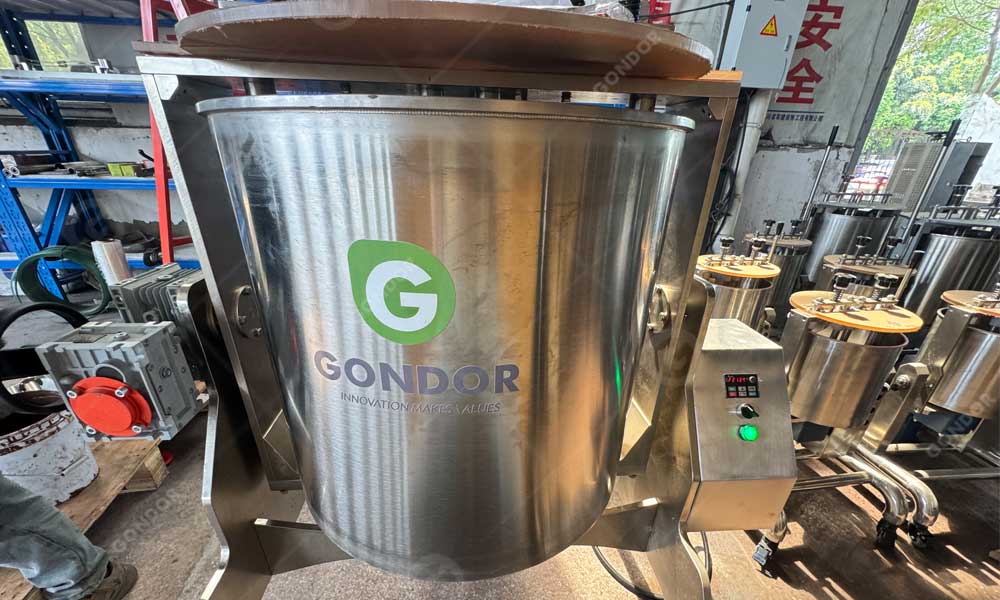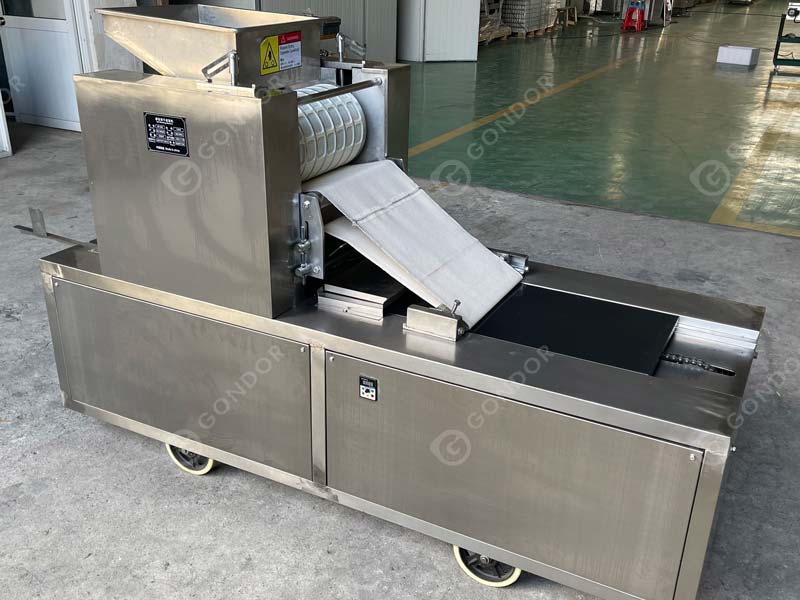


In recent years, with the rapid growth of the chocolate, beverage, and bakery industries, cocoa powder production has become an important part of the global food industry. What’s more, cocoa powder, with its distinctive flavor and versatile use, is widely applied in baked goods, chocolate products, instant drinks, and even nutritional supplements. At the same time, consumers’ demand for premium, organic, and halal-certified cocoa products continues to rise, which also open new opportunities for both manufacturers and investors. Therefore, we offer solutions to help our client understand how an efficient cocoa powder production process works in a factory.
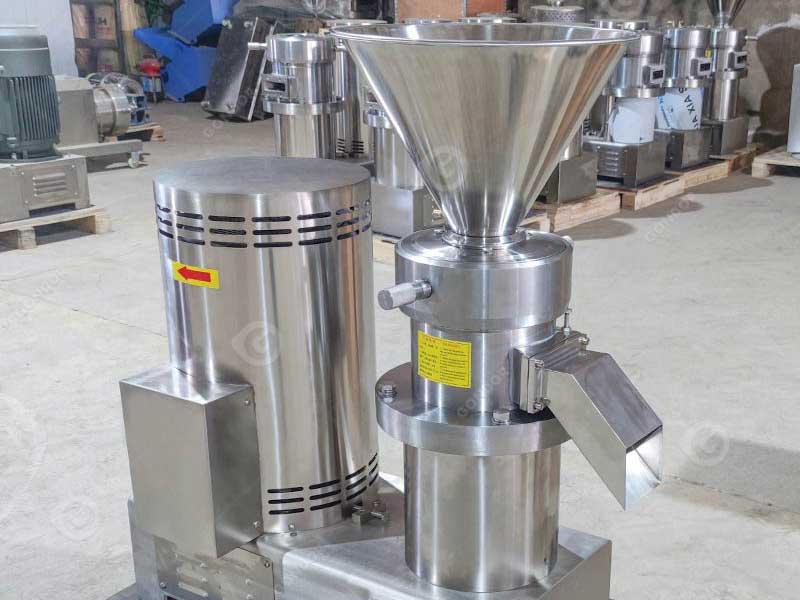
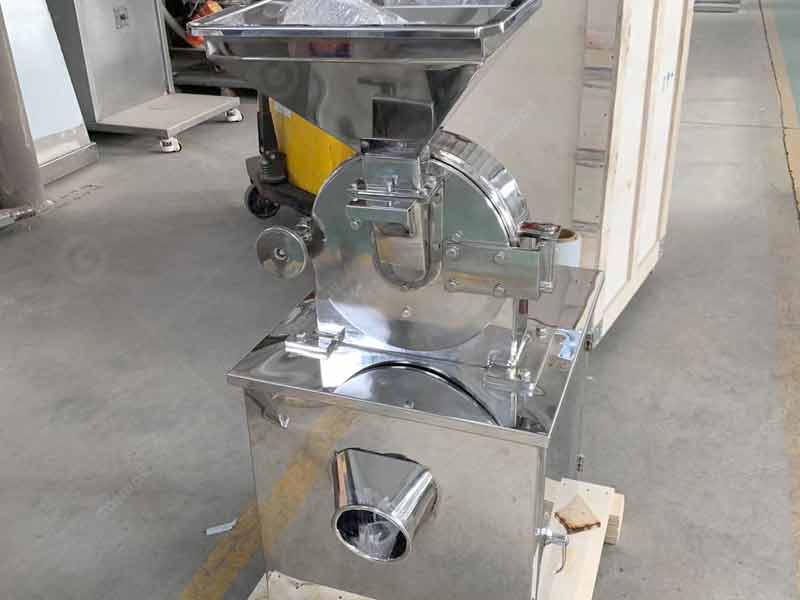
The Complete Cocoa Powder Production Process
Before cocoa powder reaches consumers, it must pass a carefully designed and highly controlled process. In the whole cocoa powder process, it involves selecting beans to packaging. What’s more, every step will influence the quality, flavor, and competitiveness of the final product.
Raw Material Selection and Pre-Treatment
The production of cocoa powder always starts with quality cocoa beans. In general, the major producing regions include West Africa, South America, and Southeast Asia. Moreover, each type of cocoa beans have unique flavor profiles. After harvesting the cocoa beans, it must be processed by fermentation, which is a crucial step for developing rich chocolate aroma and reducing bitterness. Next, the beans will be dried thoroughly to reduce moisture, so it is suitable for transport and long-term storage.
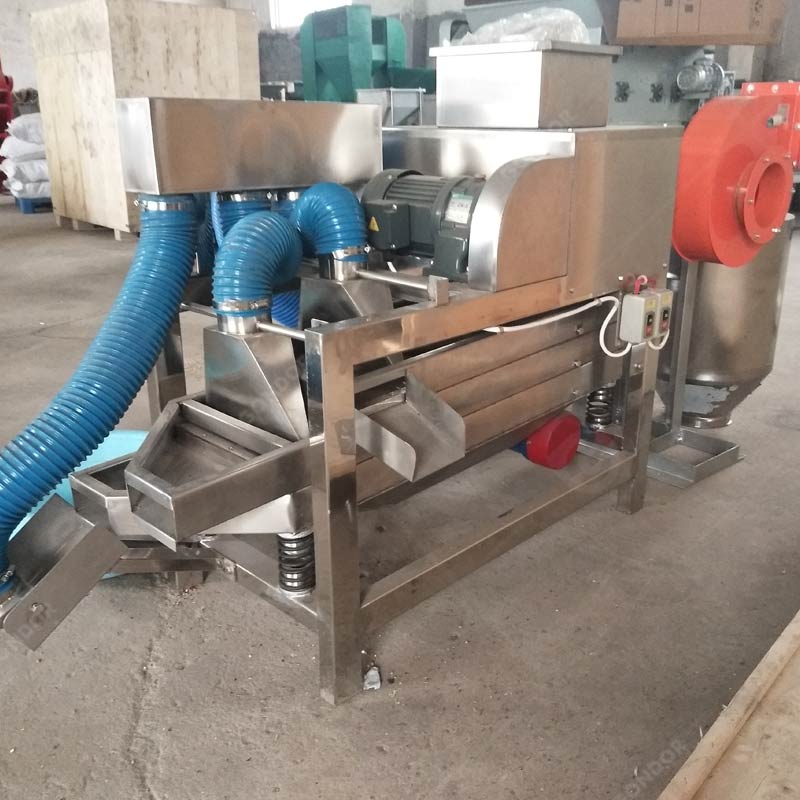
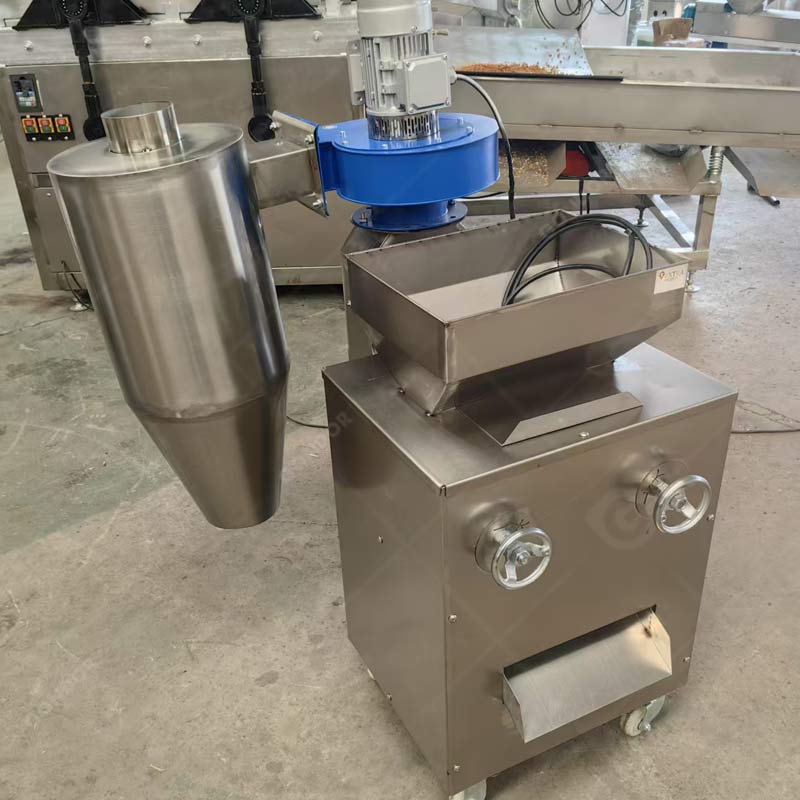
Main Steps of Cocoa Powder Production in the Factory
When the cocoa beans enter the factory, there are several stages to produce the cocoa powders:
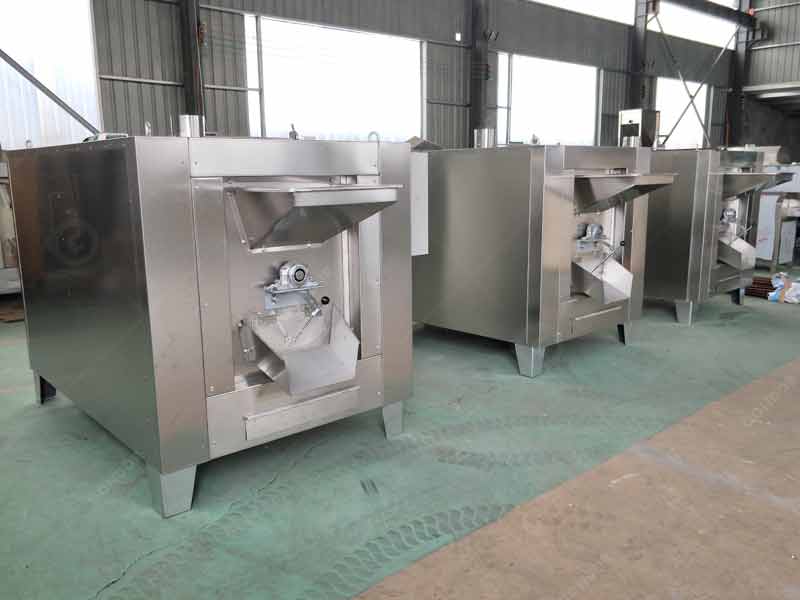
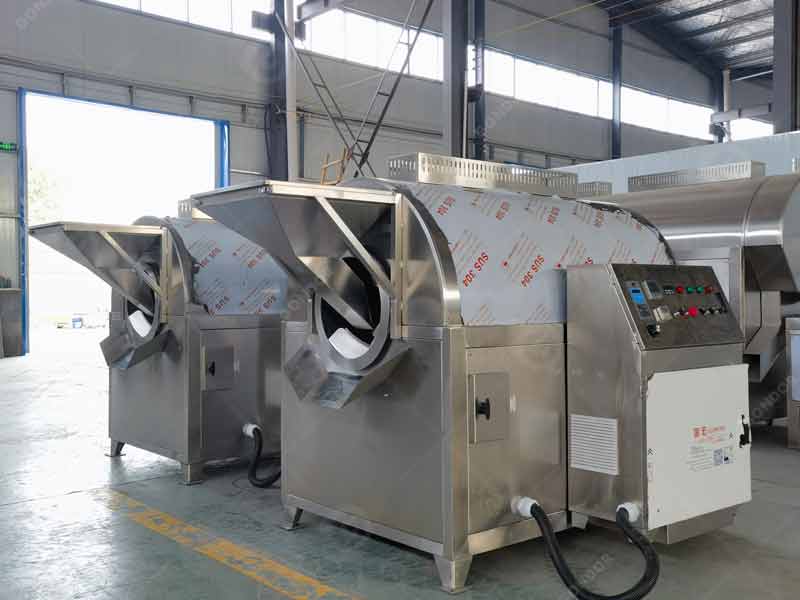
- Roasting: At first, cocoa powder should be roasted under a controlled heat and this process will enhance the aroma and deepens the color of cocoa beans. And thid is good for further processing.
- Winnowing & Grinding: After roasting, winnowing machines play a key role in separating the shells, which will leave cocoa nibs. After that, the nibs are then ground into a thick paste called cocoa liquor.
- Pressing: In this step, a hydraulic oil press machine can seperate the cocoa liquor into cocoa butter and cocoa cake. What’s mote, while cocoa butter is highly valuable in chocolate and cosmetics, cocoa cake becomes the base material for cocoa powder.
- Pulverizing & Sifting: Once cooled, cocoa cake is finely ground and sifted to achieve consistent particle size, which will result in smooth, high-quality cocoa powder.
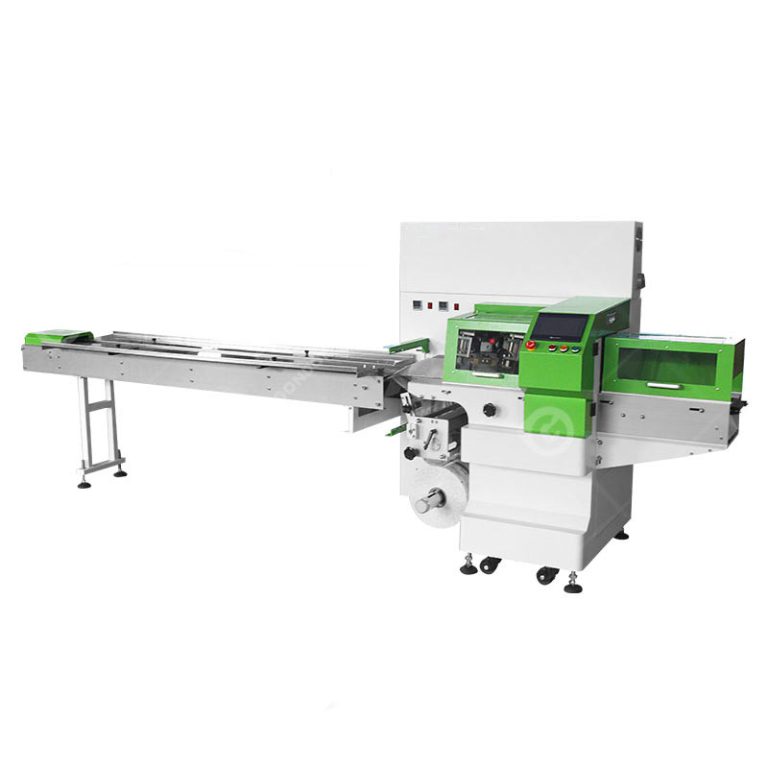
- Quality Control & Packaging: At last, the finished powder is tested for fat content, color, and fineness. Only products that meet strict food safety standards are sealed in protective packaging to preserve freshness.
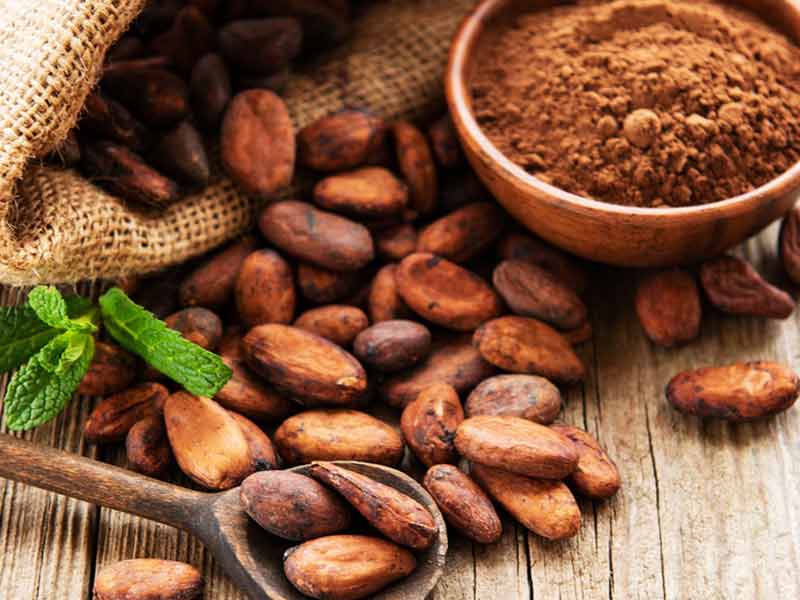
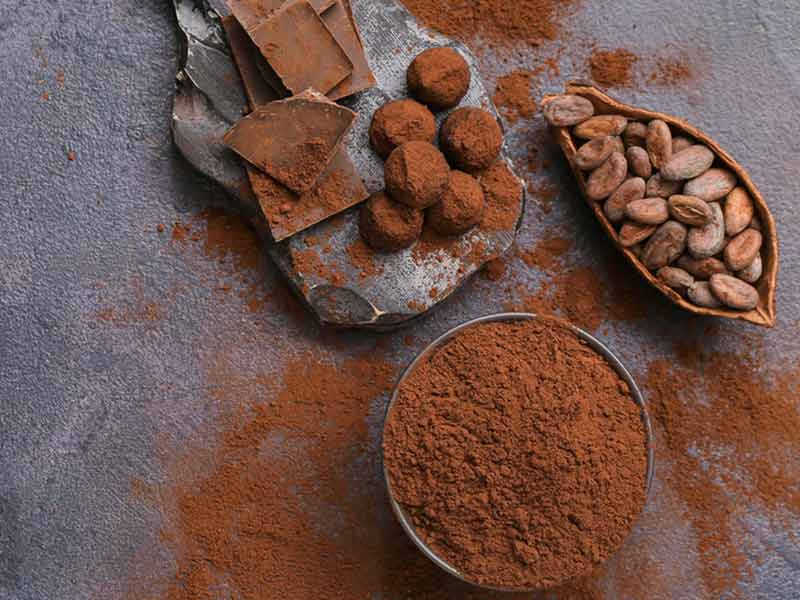
Global Cocoa Powder Market and Opportunities for Producers
Looking at the bigger picture, cocoa powder producers are facing a rapidly expanding market. The global bakery and chocolate sectors continue to rise steadily, while emerging markets in Asia show strong growth potential. At the same time, supply chain disruptions and fluctuating cocoa bean prices play a critical role in shaping industry dynamics.
For investors, fresh opportunities are emerging. Demand for organic and halal-certified cocoa powder is steadily increasing. Furthermore, localizing production can help reduce reliance on imports and improve profit margins. Whether entering raw material supply or investing in modern factory construction, the cocoa powder industry offers substantial business value.
Building Cocoa Powder Factories: Key Investment Insights and Returns
In order to produce cocoa powder more effectively, it is necessary ro plan factory construction and equipment investment carefully. For example, the major costs fall into three categories: land, facilities, and specialized machinery (e.g., roasters, winnowers, hydraulic presses, pulverizers, and sifters). Compared with traditional manual processing, fully automateic production lines significantly increase capacity, reduce labor costs, and ensure product consistency.
Beyond the main product, by-products can also enhace the profitability. Cocoa butter, separated during the pressing stage, has strong demand in both chocolate manufacturing and cosmetics. This dual revenue stream improves return on investment and creates greater resilience. In other words, building a modern cocoa powder plant not only ensures stable financial returns but also captures long-term growth opportunities.
The Future of Cocoa Powder Production
In summary, the cocoa powder production process includes a complete chain of operations: fermentation, drying, roasting, pressing, grinding, and packaging. With the support of automation and advanced machinery, both efficiency and quality are significantly improved. For cocoa powder producers, global demand continues to expand; for investors, factory construction, automation upgrades, and by-product development all present promising avenues for growth. As consumer preferences evolve and sustainable production becomes a global trend, the cocoa powder industry is well-positioned to unlock even greater potential in the future.