

The transformation from raw beans to the essence of chocolate
Baking cocoa beans is one of the most crucial processes in chocolate production. This process is far more than just simple heating; it is a science of precisely controlling temperature and time, aiming to unlock the complex flavors hidden within the cocoa beans.
Whether your cocoa beans come from Madagascar or Ecuador, without precise roasting, the over 600 flavor compounds they contain will remain in a “sleeping” state forever.


What is the purpose of cocoa bean roaster?
The main purposes of baking include: flavor development – generating aromas such as nuts and caramel through the Maillard reaction and caramelization; reducing sourness – lowering the natural acetic acid in the beans; sterilization and disinfection – ensuring food safety; and dehydration – reducing the moisture content from approximately 6-8% to below 2%, making it easier for subsequent processing.
But to achieve the perfect baking curve, not only do you need acute senses, but also a high-performance cocoa bean roasting machine with precise temperature control.
Preparation begins with high-quality raw materials. No matter which variety of cocoa bean you use (Criollo, Forastero, or Trinitario), pre-treatment is crucial. First, ensure that the cocoa beans have been properly handled during the fermentation and drying stages.
Then, you need a reliable baking equipment. Regardless of the type of equipment, cleaning and preheating are the first steps that cannot be skipped. This can prevent odors from interfering and ensure stable temperature.
The core purpose of baking is very clear: to develop flavor, reduce sourness, kill harmful microorganisms, and make the shell of the seeds softer so that they can be easily removed.
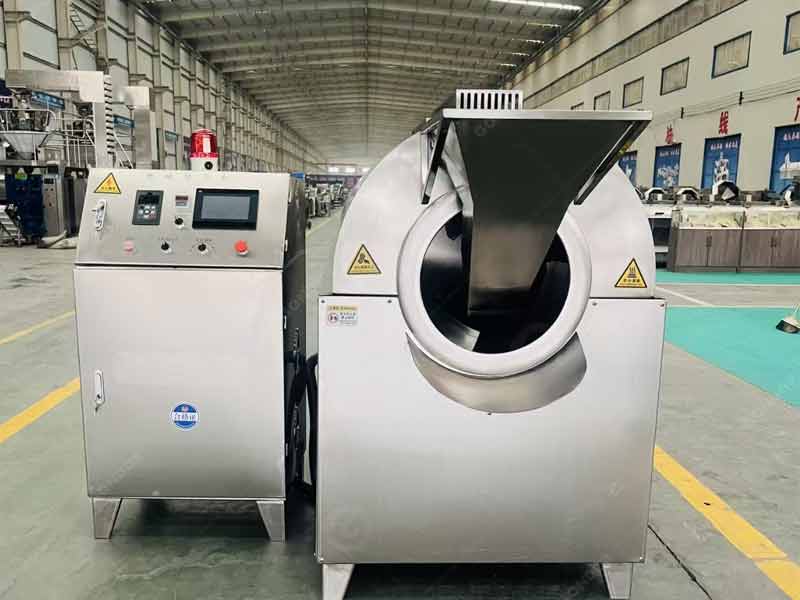
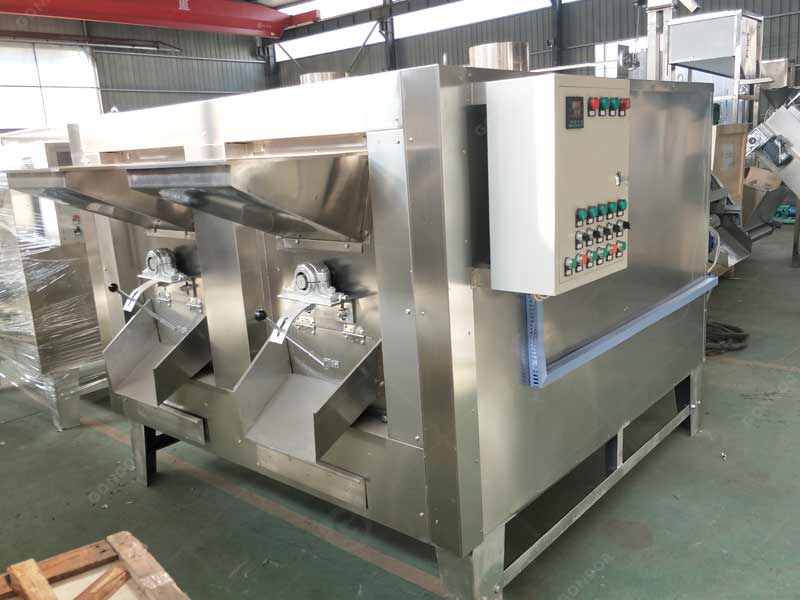
Preparations before roasting cocoa beans
Before pressing the start button, the selection of the basic equipment is of crucial importance. A professional roasting cocoa beans is undoubtedly the best choice, as its precise temperature control and uniform heat conduction guarantee the quality. However, small producers often use modified drum ovens or high-performance hot air roasters. For home enthusiasts, even a small oven with precise temperature control can be a starting point.
The current mainstream equipment includes drum roasters and air roasters. Drum roasters rely on conduction heat and convection heat, and are suitable for manufacturers who seek deep and traditional flavors; while air roasters are known for their uniformity and purity. Additionally, the pre-treatment of raw materials – such as removing debris like stones and branches – is the first step in protecting the equipment and ensuring food safety.
10 Professional Steps for Roasting Cocoa Beans
How to Choose the Right Cocoa Bean Roaster Equipment?
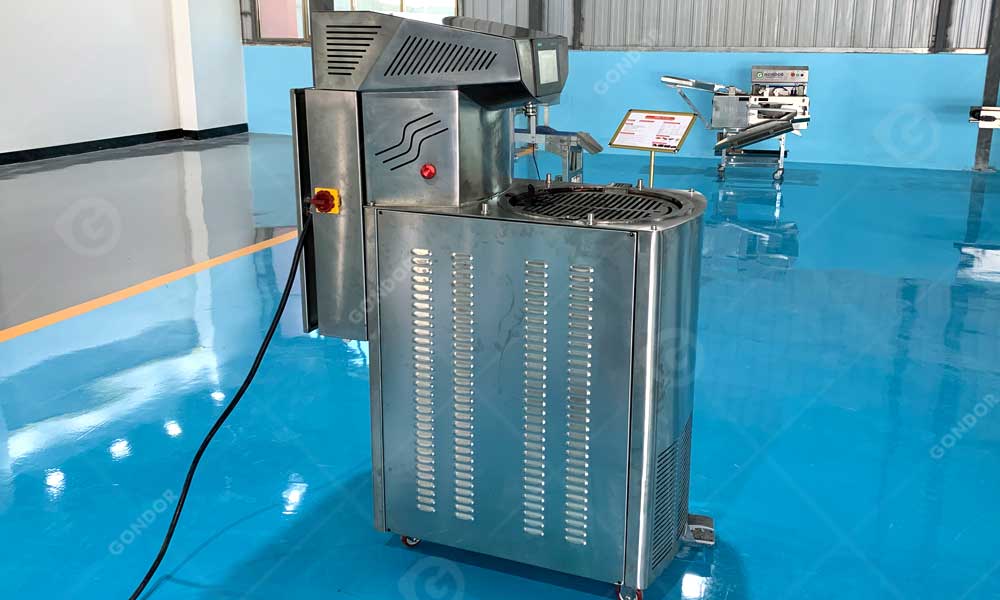
Equipment selection directly determines the precision and flavor ceiling of the roasting process. Drum ovens conduct heat through metal rollers, resulting in even heating and are suitable for medium to large-scale production, but require a longer preheating time.
Hot air ovens utilize high-speed airflow for rapid heat transfer, resulting in shorter roasting times and preserving more volatile aromas, but require experienced operators to avoid over-roasting in certain areas. For trial batches or small workshops, small countertop ovens with precise temperature control can also be used, but manual turning is necessary to ensure even roasting.
Common roasting temperatures are typically between 110–150°C, with times ranging from 15–35 minutes. The real key is not a fixed value, but rather dynamic adjustments based on the bean variety, fermentation level, and target flavor.
Investing in the future? Start with a good baking machine.
Baking cocoa beans is a discipline that balances science and art. By following these 10 steps, not only will you be able to produce high-quality cocoa beans, but you will also be able to establish your brand recognition in the fierce chocolate market.
Are you in search of a cocoa bean baking equipment that can precisely replicate your unique recipe?
Whether you are a startup studio or a factory in the process of expansion, our technical team can provide you with customized baking solutions and advanced automated equipment. Please feel free to leave a message below to share your baking experiences, or directly contact our product catalogue.