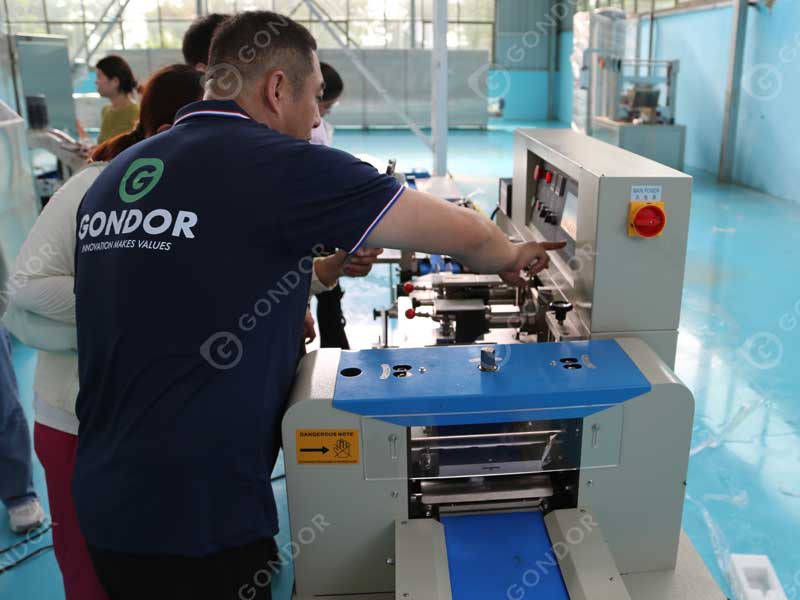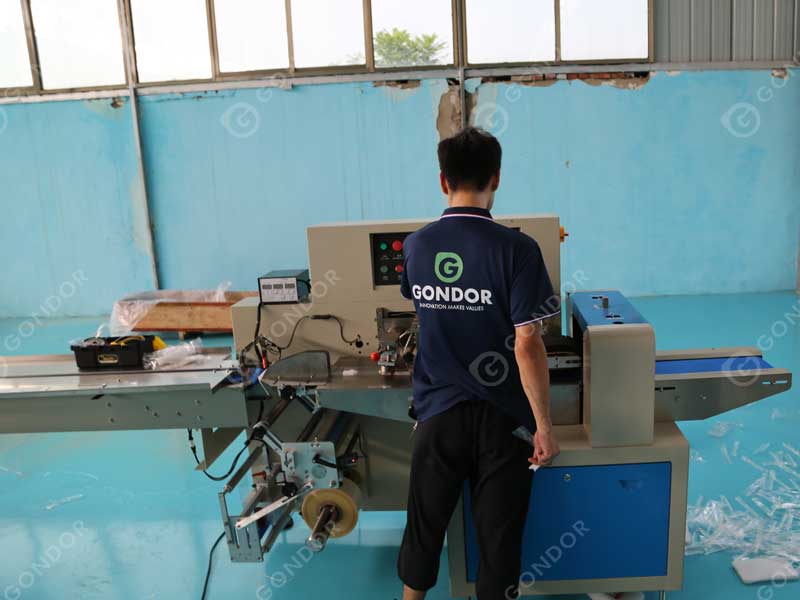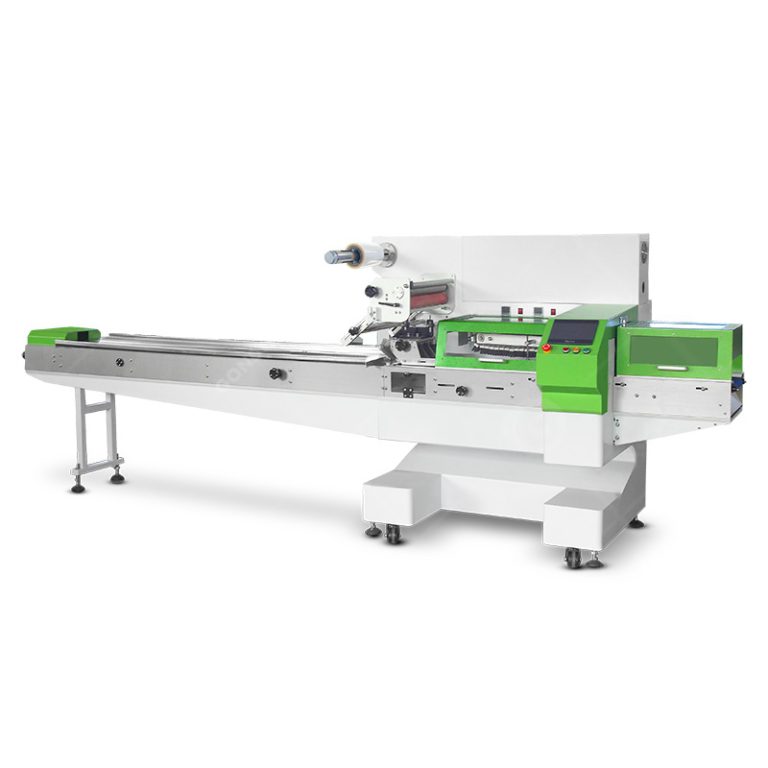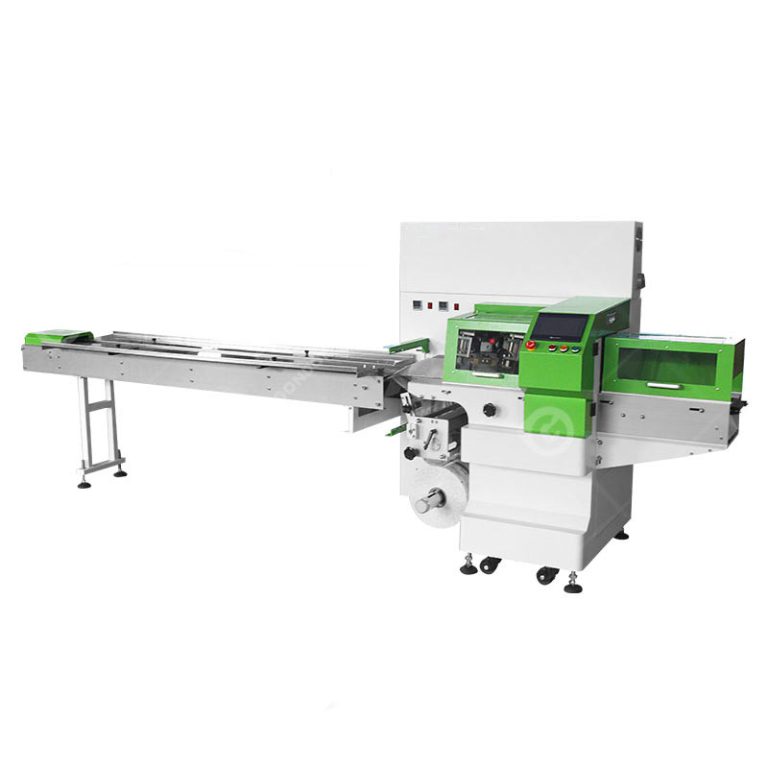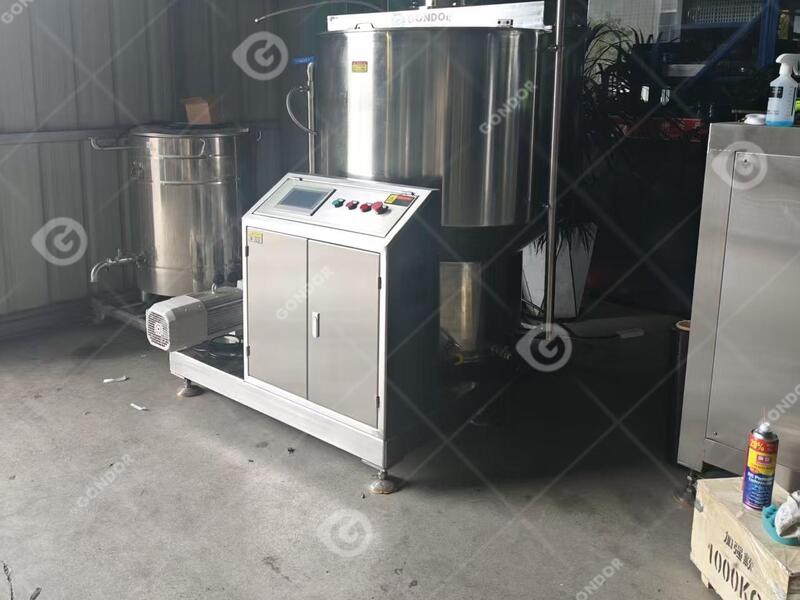


In the competitive landscape of the manufacturing industry, choosing an efficient automatic pillow packaging machine and gaining a deep understanding of its core mechanisms are key to maintaining product integrity and boosting output. Gondor Machinery’s pillow packaging machine for sale represents a high-performance pillow packing machine solution.


What Is the Working Principle of a Pillow Packaging Machine?
The working principle of a flow wrap machine is a highly automated continuous process: first, the packaging film is drawn from the unwinding device and precisely adjusted by the tension control system to ensure it remains smooth and stable. Next, the film pulling device works in synchronization with the infeed system to deliver both film and product at perfectly matched speeds into the forming system, where the flat film is folded into a tube to envelop the product.
Subsequently, the longitudinal sealing device applies heat and pressure via heating elements and rollers to fuse the edges together. Finally, the cross-sealing device seals and cuts the front and back ends of the product while the control system coordinates the entire cycle to achieve efficient, high-quality pillow-shaped packaging.
What Materials Is the Pillow Packaging Machine Suitable For?
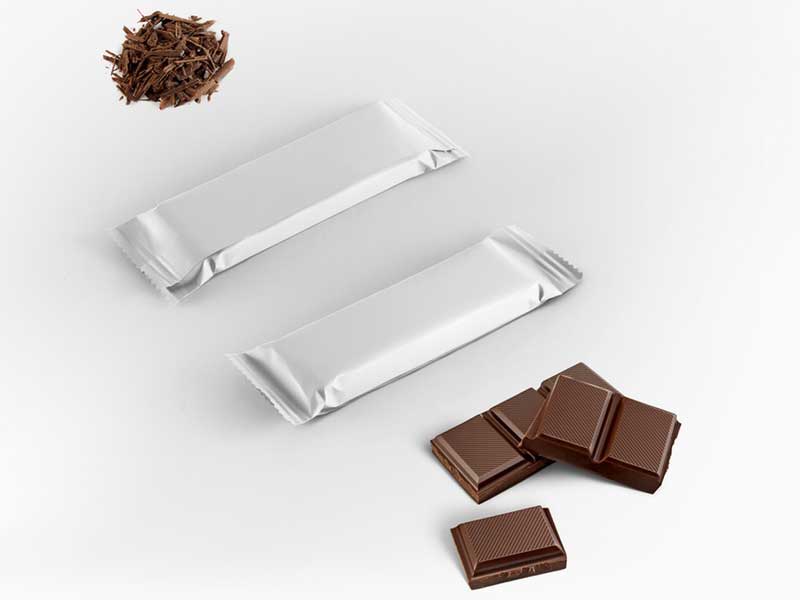
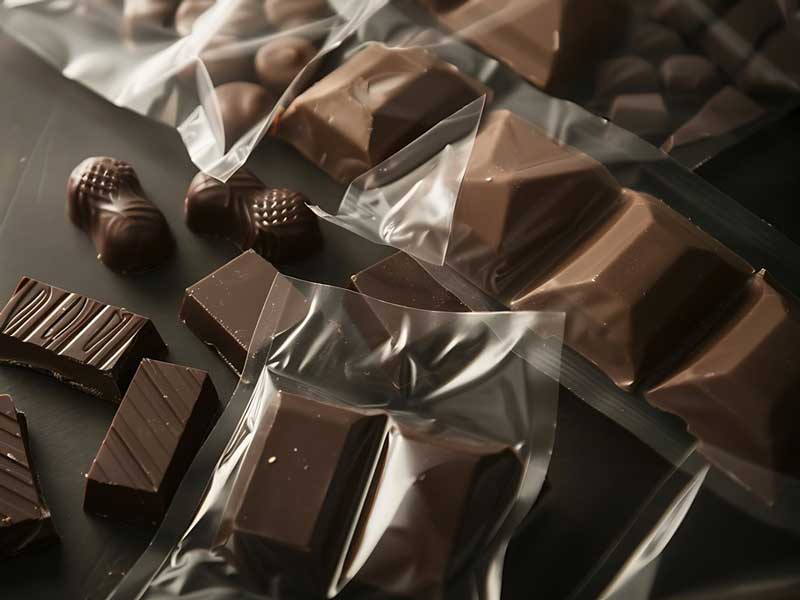
How Can Chocolate Packaging Prevent It from Melting?
Cold Seal Technology
Uses packaging film coated with pressure-sensitive adhesive to seal via pressure alone without heat, eliminating the heat source entirely.
Water Cooling System
Installs water-cooled plates or cold air vents under the sealing rollers and conveyors to rapidly absorb and dissipate residual heat.
Insulation and Tail-end Cooling
Applies insulation coatings to contact surfaces and connects a cooling tunnel at the discharge outlet to ensure the finished products set quickly.
How to Quickly Debug Packaging Parameters During Initial Use?
For loose items like candies, sauce packets, or powders, specialized feeding hoppers or tray molds are required for contained packaging.
- Set the Bag Length First: Adjust the bag length based on the product size using the control panel or the manual adjustment lever.
- Start Slow: Begin with a low operating speed and gradually speed up once the machine is running smoothly.
- Find the Right Temperature: Set the sealing heat according to the film type (around 120-180°C for PE film and 150-220°C for composite film).
- Align the Feeding: Calibrate the conveyor timing to ensure the product enters exactly in the center of the packaging film.
What Parameters Need to Be Adjusted for Packaging Films of Different Materials?
Sealing Temperature (Depends on Material)
Different films have different heat resistance. Generally, Aluminum foil composite films need the highest temperature, followed by Aluminum-plated films, while PE films melt easily and require the lowest setting. Always check the supplier’s manual for the best results.
Sealing Time (Depends on Thickness)
This is about how long the heat is applied. Thick films take longer to heat through and seal properly, while thin or brittle films need a very short contact time to prevent burning or melting through the material.
Traction Speed (Depends on Sync)
The speed at which the film is pulled must perfectly match the overall packaging speed. If they are out of sync, the film will either be stretched out of shape or become wrinkled and messy.
What to Do if the Sealing Is Weak or Missing?
Why Is It Not Sealing?
- Not Enough Heat: The temperature is too low to melt and bond the film layers.
- Low Pressure: The sealing knives aren’t pressing together hard enough.
- Material Mismatch: The packaging film is poor quality or not suited for this specific machine.
How to Fix It?
- Turn Up the Heat: Increase the temperature in small steps (5-10°C at a time) until the seal is firm.
- Tighten the Pressure: Adjust the tension springs on the sealing knives to ensure a tighter grip.
- Try a Different Film: If adjustments don’t work, consider switching to a film with better heat-sealing properties.

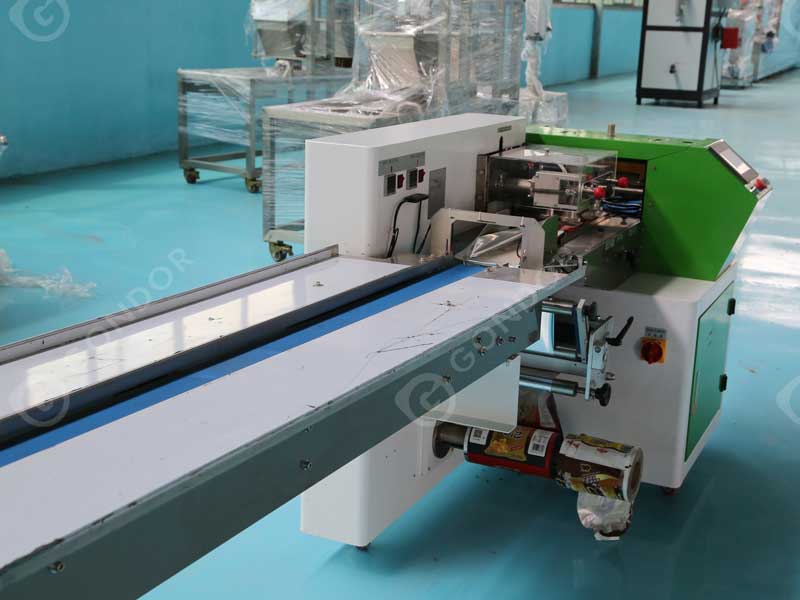
Is There Wrinkling or Deviation After Packaging?
Why Is It Wrinkling or Drifting?
- Uneven Film Tension: The packaging film is too loose on one side and too tight on the other.
- Slippery or Worn Wheels: The traction wheels that pull the film are worn out or covered in oil, causing them to lose their grip.
- Off-center Product: The infeed conveyor is misaligned, causing the product to enter the film at the wrong angle.
How to Fix It?
- Adjust the Tension Rods: Balance the tension bars on the film frame so the film pulls through with even tightness.
- Clean or Replace Wheels: Wipe away any grease or oil from the traction wheels; if they are worn smooth, it’s time to replace them.
- Re-align the Infeed Track: Recalibrate the feeding track to make sure the product stays perfectly centered as it moves into the film.
Gondor Machinery: Customizing the Perfect Packaging Solution for You
In summary, mastering the working principle, material compatibility, and key parameter debugging of a pillow packaging machine is the foundation for ensuring a stable and efficient production line. Whether handling temperature-sensitive chocolates or pursuing high-output for standard foods and industrial parts, precise control and scientific maintenance are the ultimate guarantees of high-quality packaging.