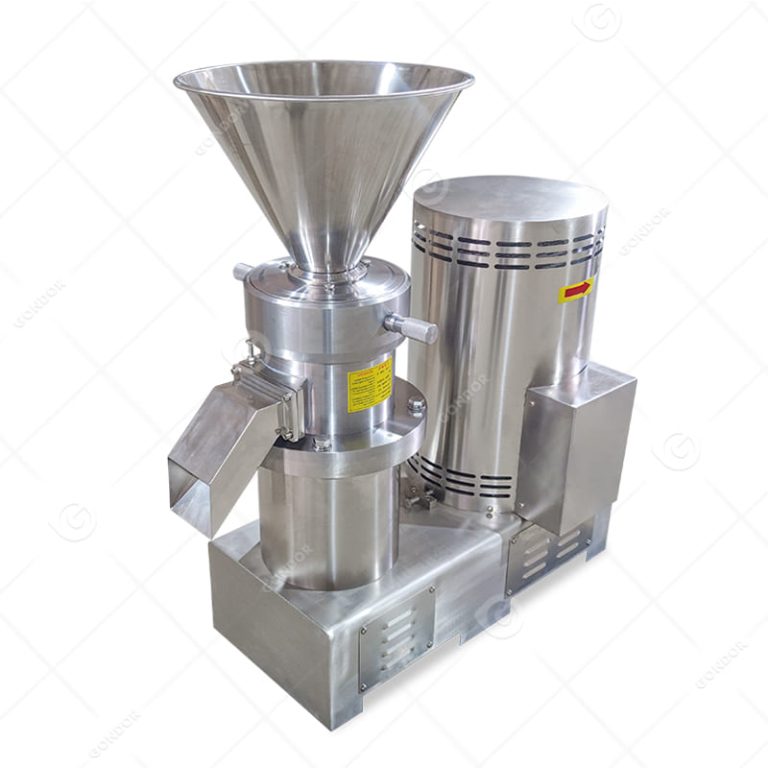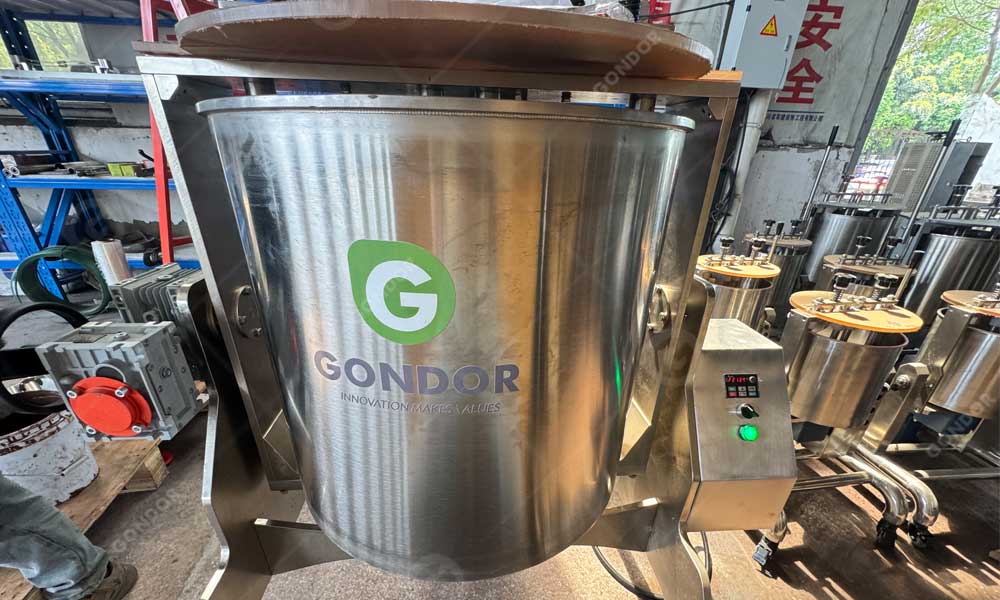


A chocolate ball mill, also often called a chocolate conche, uses the physical grinding of steel balls and prolonged mechanical kneading to transform rough chocolate into a product with an exceptionally smooth texture and a mature, rounded flavor.
This article will provide a detailed explanation of how a chocolate ball mill grinds chocolate.
Core Structure and Components of a Chocolate Ball Mill
To understand its workings, you first need to understand its core components:
Grinding Cylinder: A horizontal, rotating container, typically with a water bath for temperature control.
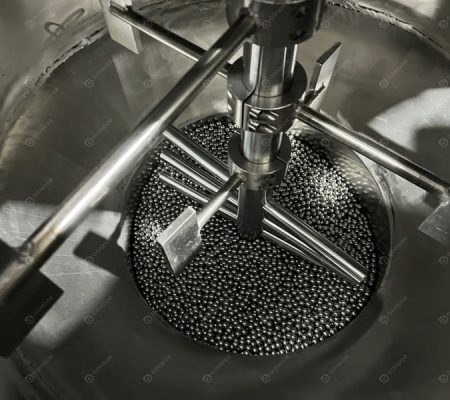
Grinding Media: A large number of steel balls with a diameter of 5-15 mm.
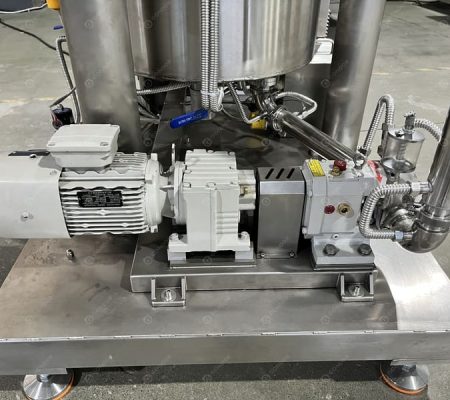
Drive System: A motor and reduction gear that drives the cylinder.
Step 1: Mixing the Grinding Media and Material
A chocolate ball mill contains grinding media (usually steel or ceramic balls) and chocolate material (a mixture of cocoa liquor, sugar, milk powder, and other ingredients). These grinding media and material are placed in the mill’s grinding jar.
Step 2: Cylinder Rotation and Ball Movement
When the cylinder begins to rotate slowly (usually 20-30 rpm), the steel balls and chocolate material inside are lifted to a certain height by friction and centrifugal force. The grinding media then undergoes a complex motion within the cylinder.
Cascading: After reaching a certain height, the steel balls and chocolate material fall due to gravity, causing impact and collision.
Cataracting: At higher rotational speeds, some steel balls are ejected from their trajectory, causing more intense impact.
The grinding media continuously rises, falls, and rolls. This motion creates intense collisions, friction, and shear between the grinding media and the chocolate material.
Step 3: Particle Refinement
Grinding occurs primarily through two processes:
Impact crushing: The falling steel balls exert a tremendous force on the chocolate solid particles (primarily sugar and cocoa solids), breaking them apart.
Friction and Shear: The material rolling between the steel balls and between the balls and the drum wall is subjected to intense compression, shear, and friction. This is crucial for grinding particles to micron size.
Step 4: Heat Generation and Control
The intense friction and collision between the grinding media and the material generates heat. Heat control is essential during chocolate ball milling. On the one hand, appropriate heat helps reduce the viscosity of the chocolate material, facilitating a smoother grinding process; on the other hand, excessive heat can cause fats in the chocolate to separate or affect the flavor. Therefore, ball mills are typically equipped with cooling systems to maintain the appropriate grinding temperature.
Homogenization: The entire drum acts as a giant blender, thoroughly and evenly mixing all ingredients (solid particles, cocoa butter, lecithin, etc.).
Flavor Enhancement: This process can last for hours or even dozens of hours. The prolonged grinding and kneading dissipates unpleasant volatile acids. It allows flavor precursors to fully interact and react, resulting in a rounder, more complex chocolate flavor. The solid particles are completely coated with cocoa butter, resulting in a smoother mouthfeel.
Step 5: Discharging
As the grinding time increases, the chocolate material particles become finer until the desired fineness is reached, and the drum rotation stops. Ideal grinding results are generally determined by testing the chocolate’s particle size distribution, mouthfeel, and rheological properties. For example, high-quality chocolate requires a particle size of less than 20-30 microns, resulting in a smooth, creamy texture.
Finally, the ground chocolate slurry is discharged through a dedicated discharge port, and a screen separates the chocolate slurry from the steel balls.
Ball Mill to Finished Chocolate: Building a Complete Production Line
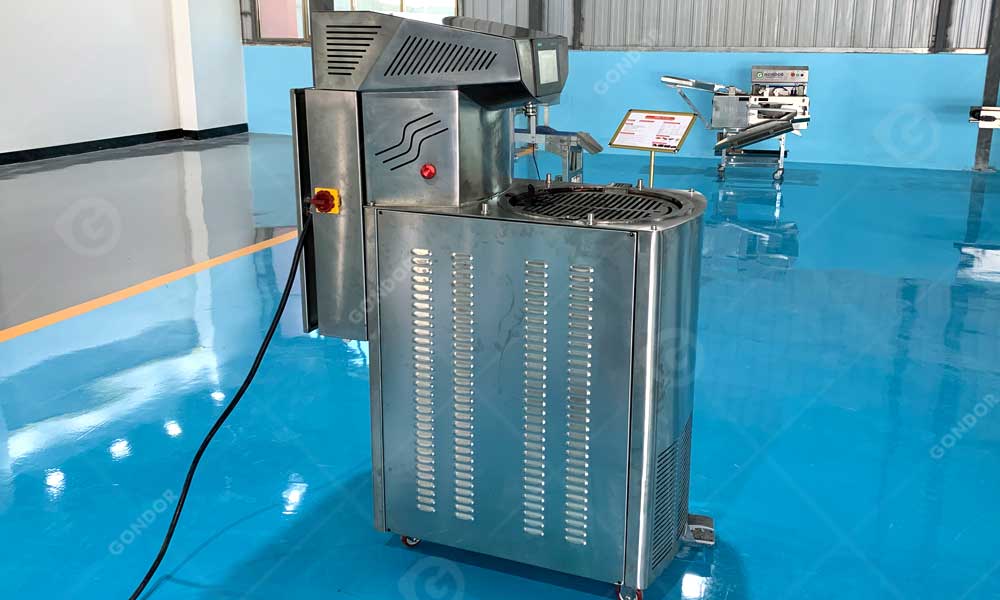
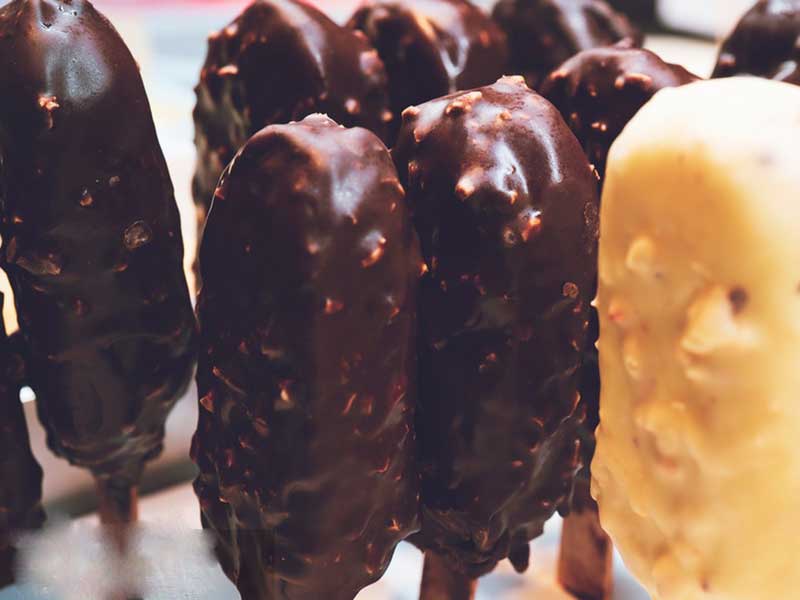
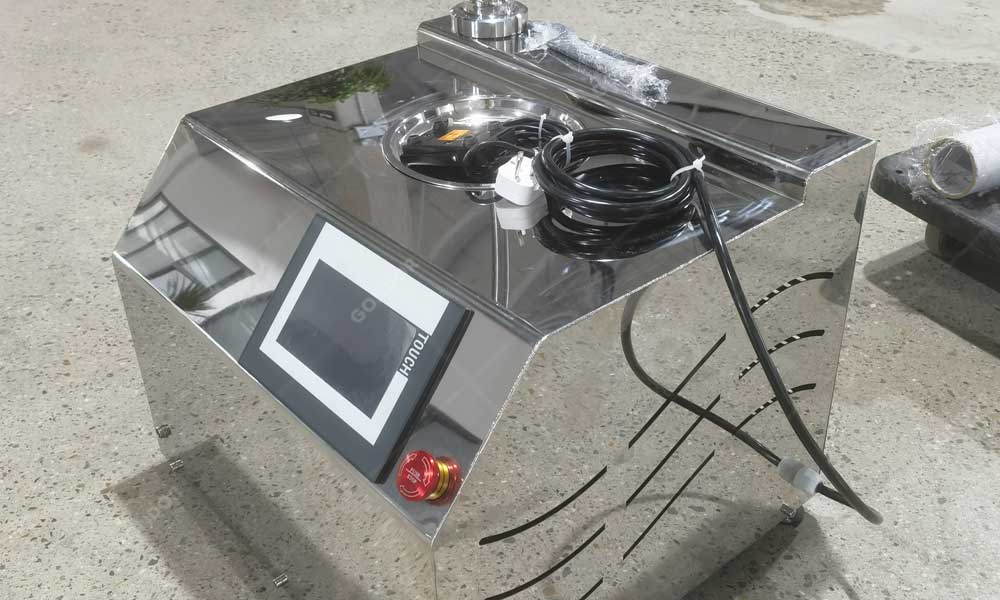
Chocolate ball mill is the key equipment to realize the smooth taste and mellow flavor of chocolate, but it is only an important link in the whole production chain. The fine chocolate pulp output from the ball mill needs to be co-processed by subsequent equipment before it can become a truly high-end finished product. A counter top chocolate tempering machine can precisely control the crystallization process of cocoa butter, giving chocolate charming luster and crisp cracking sound. Chocolate enrobing equipment can evenly wrap the tempered chocolate on the surface of biscuits, nuts or sandwiches, thus achieving exquisite decoration in industrial mass production. From grinding, temperature adjustment to coating, the professional equipment in each link has jointly built a stable, efficient and reproducible chocolate production line to ensure that each batch of products has consistently excellent quality.