

Cocoa powder is the primary raw material for chocolate production and a key ingredient in cocoa beverages and baked goods. The color and flavor of cocoa powder are key indicators of cocoa quality, and the alkalization process is essential for controlling the color and flavor of cocoa powder.
Do you know what is alkalized cocoa powder?
Alkalized cocoa powder is produced by neutralizing cocoa beans, nibs, cocoa liquor, or coarse powder with a food-grade alkaline solution (such as potassium carbonate, sodium carbonate, or potassium hydroxide) before being pressed, dried, and ground. The key feature of alkalized cocoa powder is its controllable pH within the slightly acidic, neutral, and slightly alkaline range (pH 6.2–8.1), resulting in a darker color, better solubility, and a mellower flavor. It is widely used in baking, hot chocolate, milk tea, ice cream, and other products that require a mild acidity and a darker appearance.
What are the types of cocoa powder?
Cocoa powder is categorized into natural cocoa powder and alkalized cocoa powder based on the alkalization process. Alkalized cocoa powder is made by adding alkali during the cocoa bean processing process, while natural cocoa powder is made without any additives. Natural cocoa powder is lighter in color and less fragrant than alkalized cocoa powder.
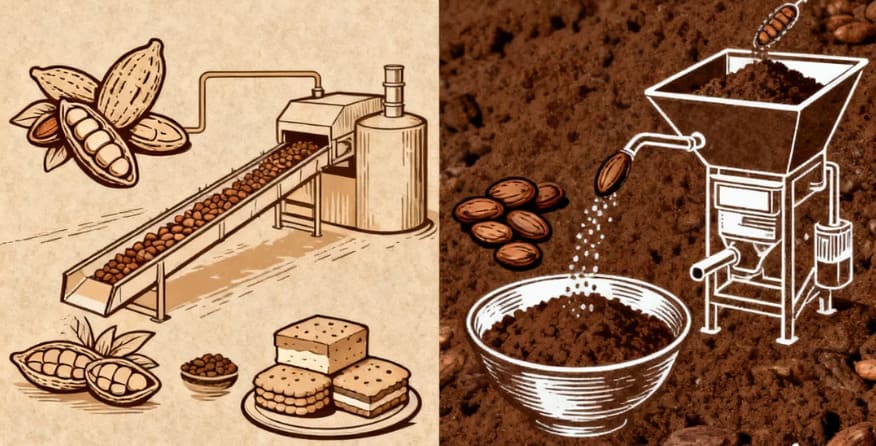
Natural cocoa powder vs Alkalized cocoa powder
Natural cocoa powder is not used in the production of liquid cocoa products and should not be taken directly with water. Alkalized cocoa powder, on the other hand, can be used in food production and can be taken directly with water. (Alkalized cocoa powder is more expensive than natural cocoa powder.)
Natural cocoa powder is used in the production of solid products such as chocolate, cakes, and cookies; however, alkalized cocoa powder is used in the production of liquid milk and chocolate-flavored liquid products.
Alkalized cocoa powder vs natural cocoa powder
| Differences between Alkalized Cocoa Powder and Natural Cocoa Powder | ||
| Specifications | Natural Cocoa Powder | Alkalized Cocoa Powder |
| pH | 5.3–5.8 | 6.2–8.1 |
| Color | Light brown to brownish yellow | Reddish brown to brownish black |
| Acidity | Distinct fruity and acetic acid | Almost acid-free, mellow taste |
| Solubility | Fair, tends to float on water | Significantly improved; instant versions can dissolve in cold water |
| Antioxidant polyphenols | Retain 80%–100% | Loss 50%–90%, some flavanols can be reduced to 2% |
| Applications | Cakes requiring a fluffy texture (with baking soda) | Biscuits, milk tea, ice cream, hot drinks, coatings, etc. |
Cocoa Powder Process Overview
Raw Material Pretreatment
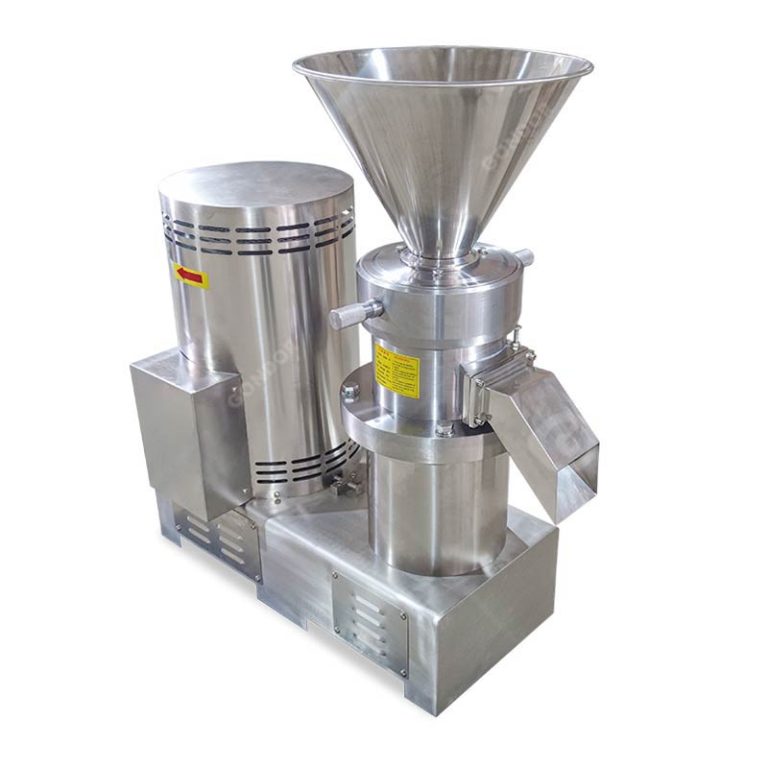
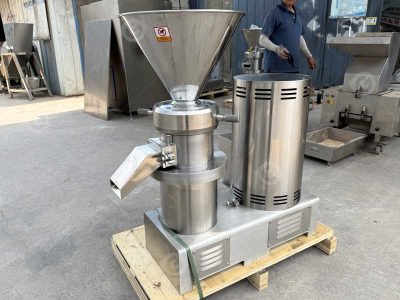
Cocoa beans are fermented, roasted, and then crushed in a cocoa crusher to produce cocoa nibs. These are then finely ground into cocoa liquor using a cocoa bean grinder.

Alkalization Reaction
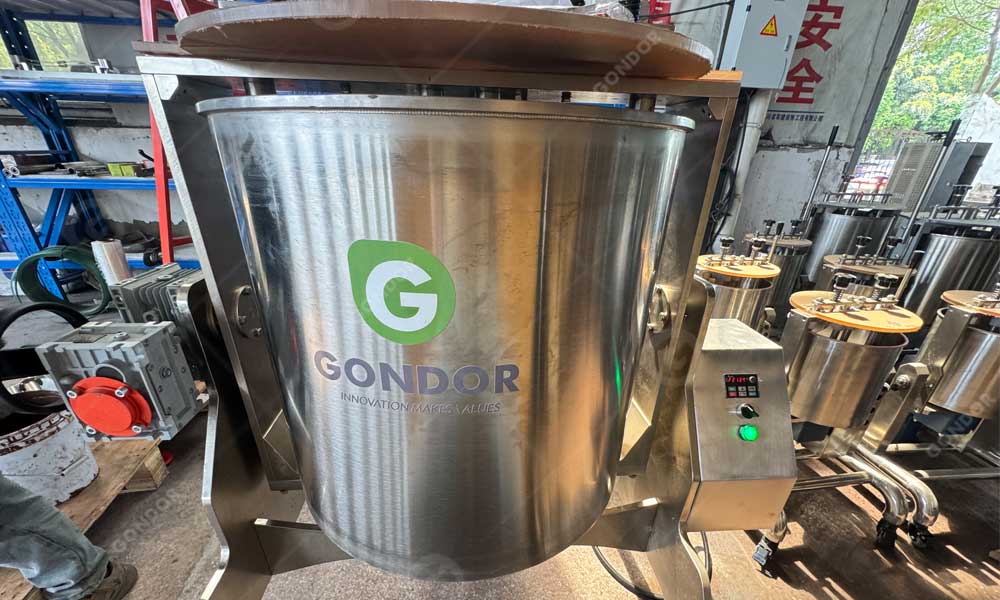
A 1%–4% alkaline solution is sprayed or mixed into the cocoa liquor or coarse powder and stirred at 90–115°C for 15–60 minutes. The alkali neutralizes the organic acids in the cocoa (primarily acetic acid, citric acid, and oxalic acid), promoting the Maillard reaction and causing the color to change from light brown to brown-red or even brown-black.
Degreasing by Pressing
The alkalized liquor is then pressed using a hydraulic press or a Broma press to separate most of the cocoa butter, resulting in cocoa cake with a fat content of 8%–24%.
Grinding and Screening
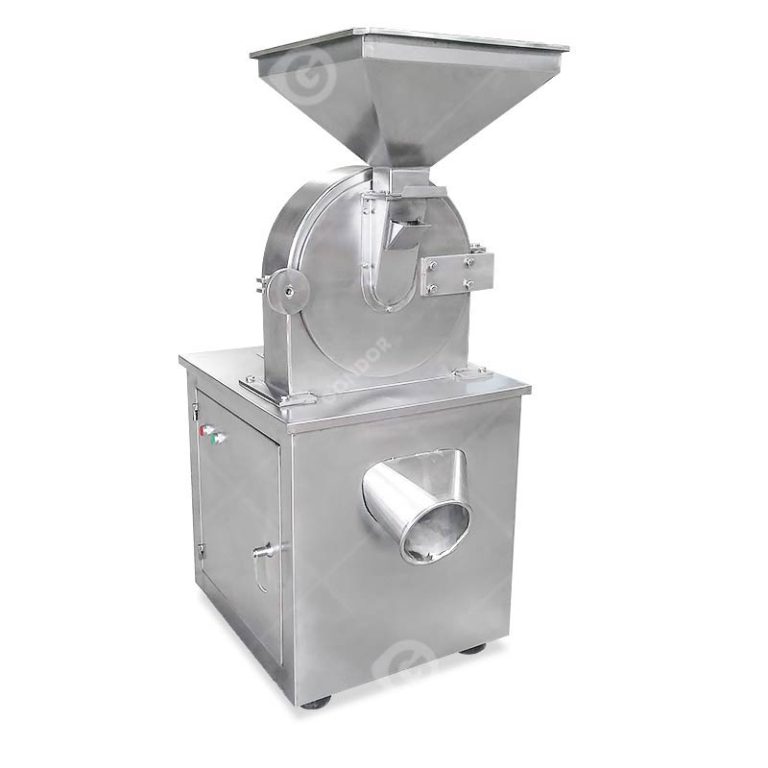
After cooling and coarsely crushing, the cocoa cake is ground into a pin or impact mill, where it is ground to a 75 µm sieve residue of ≤1.5%, resulting in a smooth, fluid alkalized cocoa powder.
Packaging and Testing
The finished product is tested for pH, color, fineness, moisture (≤4.5%), ash (≤13%), and microbiological parameters to ensure compliance with various food regulations.
Gondor Machinery offers complete production lines for cocoa crushers and cocoa bean grinders, from cocoa powder to chocolate, and offers the best discounts.
What precautions should be taken when using alkalized cocoa powder?
Leaving System: Alkalized cocoa powder is already neutral. Adding baking soda to the recipe will result in an excess of alkalinity, a soapy taste, and a collapsed cake. Use baking powder or adjust the acid-base balance.
Flavor Pairings: Alkalization reduces the sourness, creating a richer flavor when paired with milk, cream, caramel, etc. If a fruity or lively acidity is desired, partially blend with natural cocoa powder.
Nutrition Claims: Due to the significant loss of polyphenols, products promoting “high antioxidant content” should be labeled “unalkalized” or “natural cocoa.”