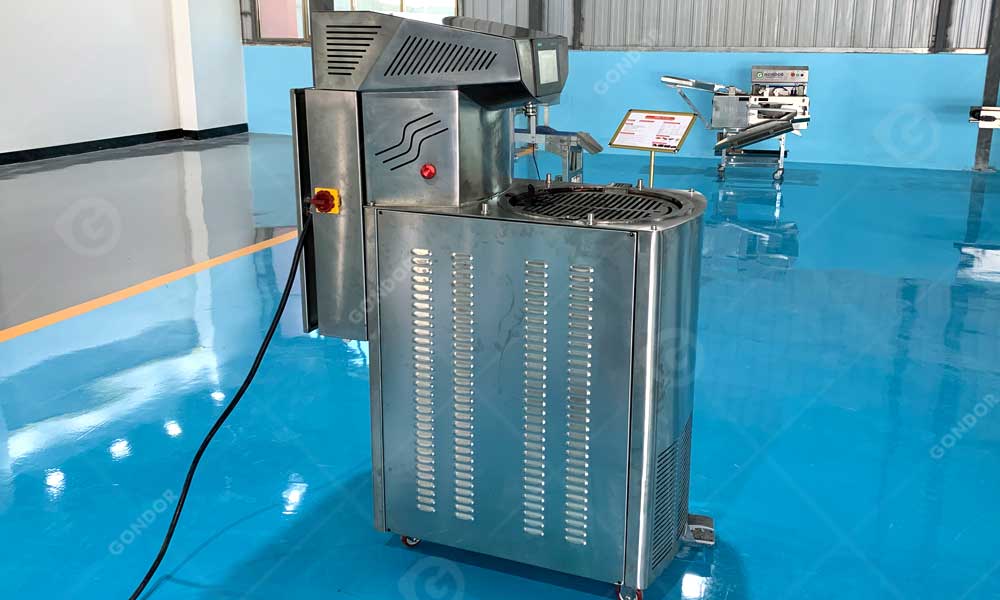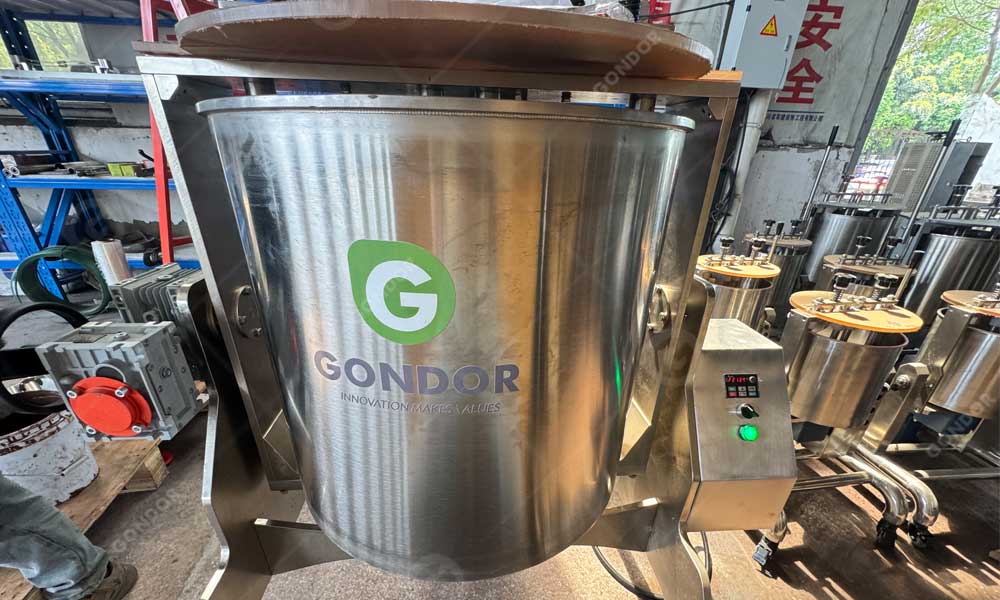


Chocolate Ball Mill: Micron-Level Refinement for Premium Texture
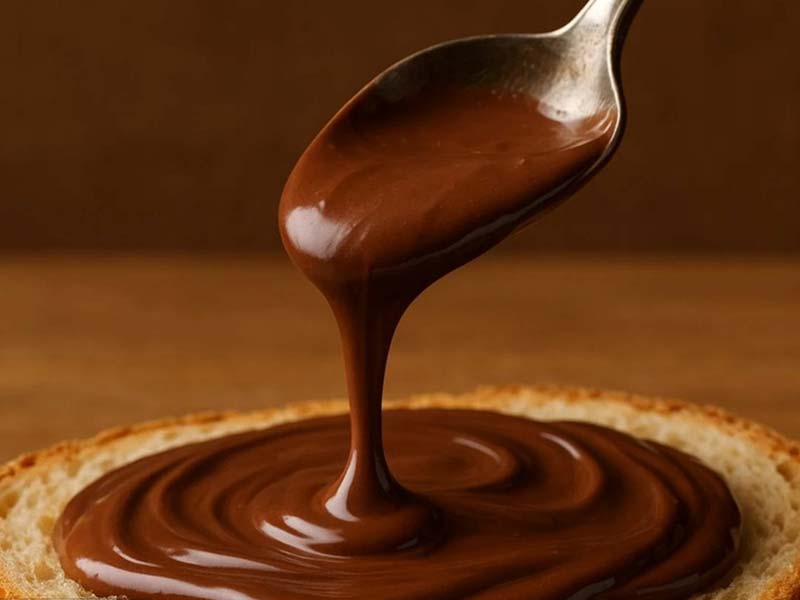
The chocolate ball mill is the key equipment that decides the chocolate tastes ordinary or rich and silky. When cocoa solids, powdered sugar, and milk powder are ground below 20 microns, the human tongue will no longer feel any graininess-this micron-level fineness is the core gap between top chocolate and ordinary products. Modern chocolate ball mills replace high-energy stone mills and multi-roller presses with high-efficiency kinetic energy grinding, which completely changes the way chocolate masters and commercial food processing factories produce chocolate paste, hazelnut paste, and sandwich cream, and enables fast, clean, and stable superfine grinding.
The Physics of Fineness: How Steel Ball Grinding Works
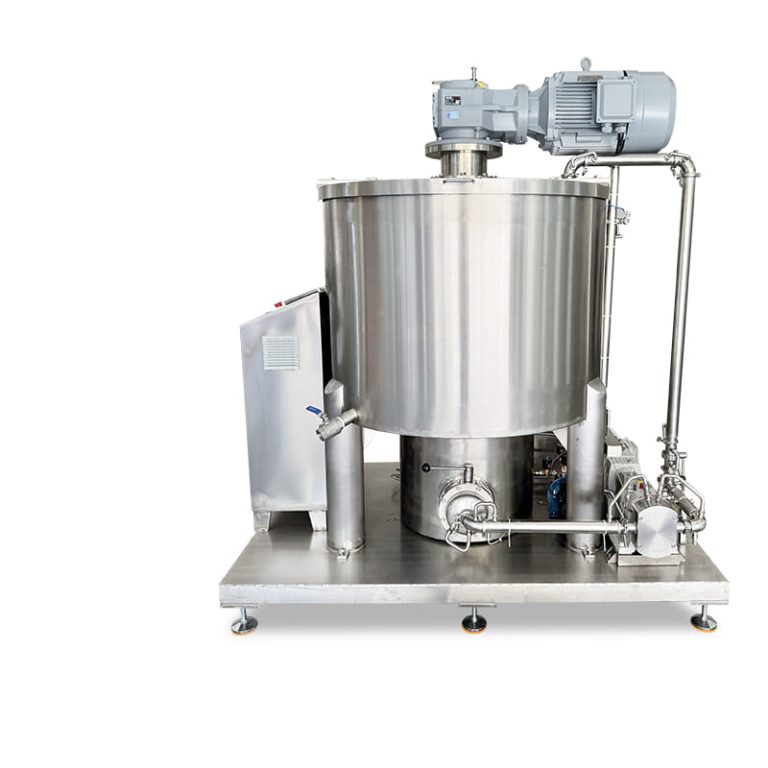
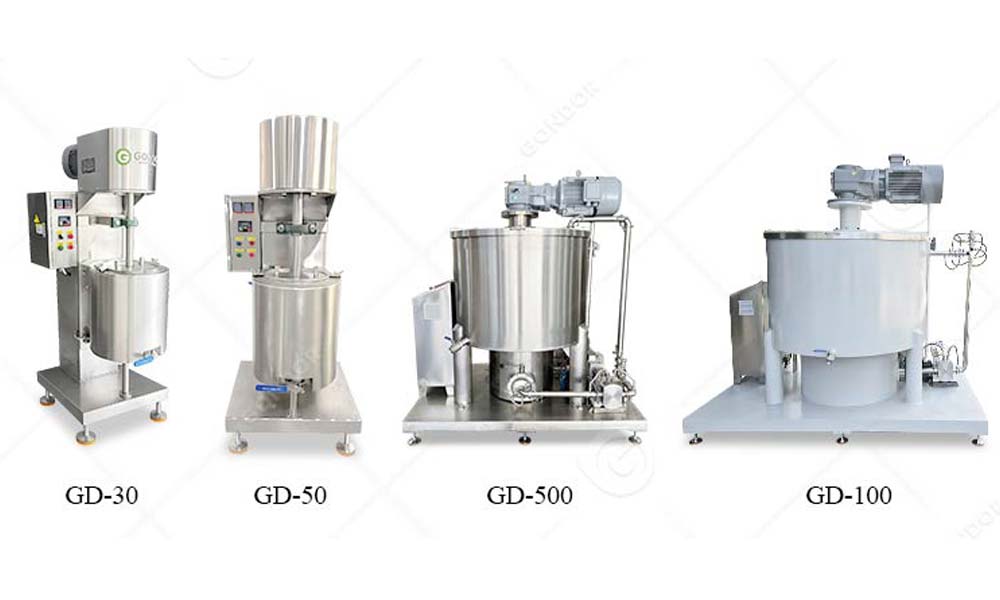
From the core principle, the ball mill for chocolate depends on mechanical kinetic energy, friction, and impact shear force. The refining cylinder of the equipment is filled with high-density and wear-resistant special steel balls. With the rotation of the internal stirring shaft, these steel balls keep tumbling and colliding in the cylinder, continuously squeezing and shearing coarse raw materials such as cocoa powder, white sugar, milk powder, and cocoa butter, and quickly refining them into a fine liquid slurry.
Different from traditional grinding equipment, which easily leads to uneven particle distribution and long batch cycles, the chocolate ball mill can quickly break the solid grease structure:
The steel balls exert uniform pressure in the grinding cylinder, so the particle size is concentrated (usually it takes only a small part of the traditional processing time to reach 20-25 microns).
Equipped with a frequency conversion speed regulation system, the operator can flexibly adjust the speed according to the viscosity and moisture content of the specific formula.
High wear-resistant alloy steel beads with a special formula can withstand high-strength friction, significantly reduce wear, and ensure the purity of materials.
Temperature Control: Why Integrated Chiller Systems Matter
The grinding process inevitably generates heat. In chocolate processing, excessive temperature is the enemy of quality. Once the temperature in the grinding cylinder soars, cocoa butter will deteriorate, sugar will melt and agglomerate, and the slurry will thicken abnormally-this is called rheological failure in production. In order to solve this problem, the advanced ball mill for chocolate is equipped with a jacketed grinding cylinder, which is directly connected with the integrated water chiller system.
“Stabilizing the grinding temperature can prevent oil separation and sugar melting, and ensure that the chocolate slurry always maintains the target viscosity and subtle volatile aroma in a long production cycle.”
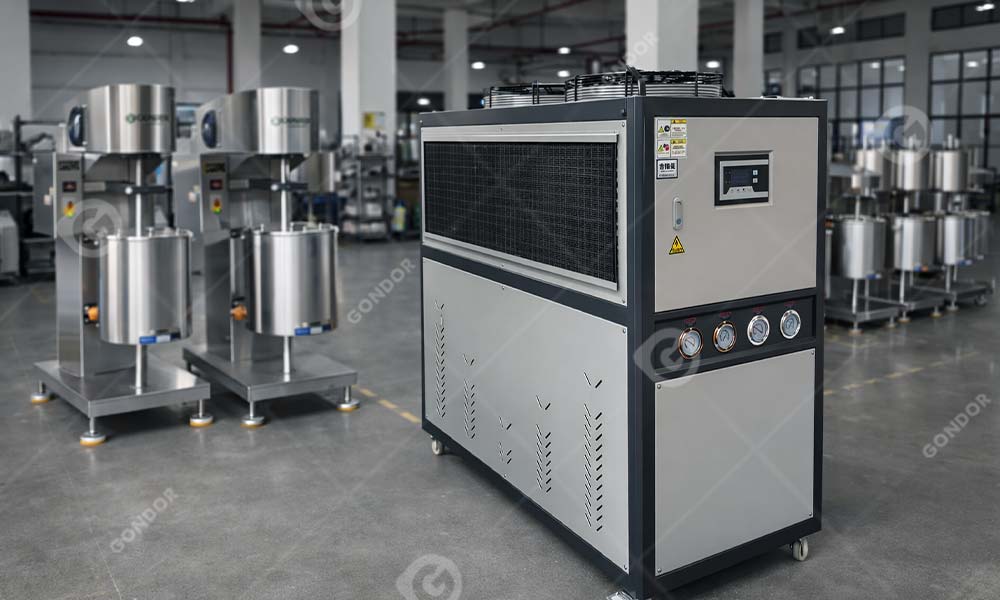
By continuously circulating cold water in the double jacket wall, the chiller accurately controls the slurry temperature in a safe range (usually 40°C to 45°C). This thermal stability protects the crystal structure of cocoa butter, maintains good fluidity, and ensures smooth and delicate discharge.
Smart Engineering for Continuous 24/7 Production
For commercial food manufacturers, equipment design must strike a balance between high productivity, convenient maintenance, and food safety standards. Modern chocolate ball mill is built around four core industrial standards:
Multi-Product Versatility
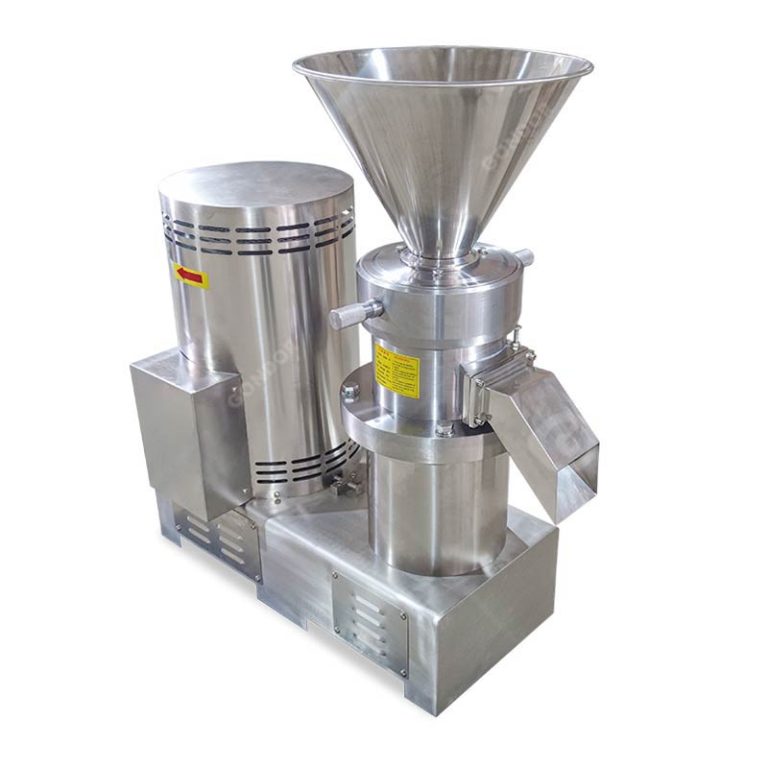
Although it is mainly designed for the fine grinding of cocoa pulp, the strong shearing function of the chocolate ball mill machine makes it a common core piece of equipment for multi-product food factories and special chemical processing.
| Industry Sector | Typical Raw Ingredients | Processing Objective |
| Chocolate & Confectionery | Cocoa liquor, cocoa butter, sugar, milk powder | Fine and smooth dark chocolate, milk chocolate, and white chocolate paste. |
| Bakeries & Spreads | Hazelnut paste, vegetable oils, cocoa powder | Smooth hazelnut sauce, biscuit sandwich and Praline sauce. |
| Dairy & Plant-Based | Soybeans, almonds, fruit pulps, sugar | Delicate soybean milk base, jam and dessert cream. |
| Specialty & Non-Food | Pigments, resins, solvent carriers | High dispersion printing ink, coating and cosmetic paste. |
Industry Insights
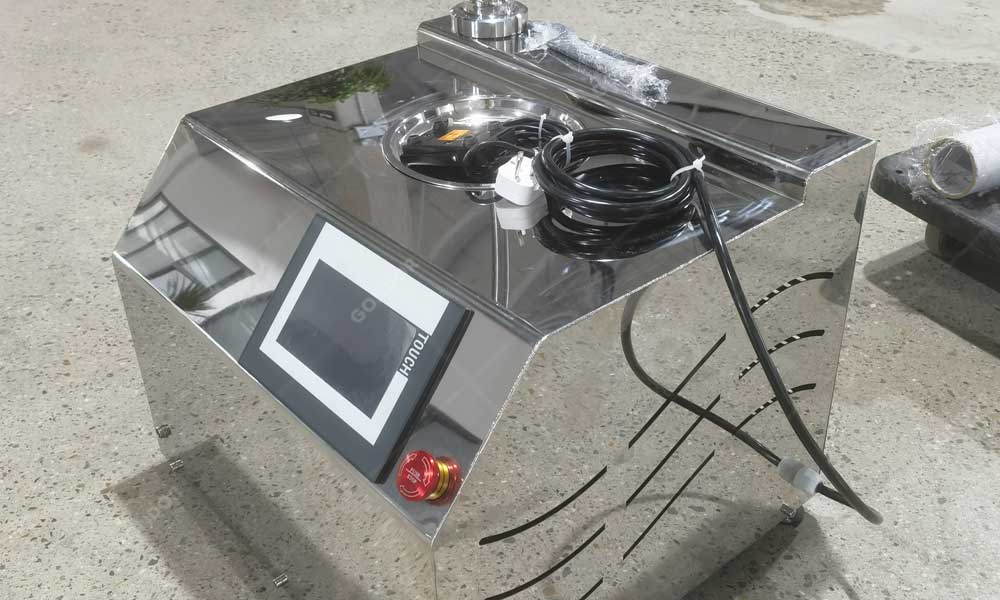
From Grinding to Tempering: A Complete Path to Silky Chocolate
Connecting traditional technology with industrial scale and realizing world-class chocolate taste no longer requires compromising between manual quality and productivity. By combining the grinding kinetic energy of wear-resistant steel balls, PLC automatic parameter tracking, and precise temperature control, the modern chocolate ball mill gives manufacturers overall control over the fine grinding process. With the chocolate conching machine, the flavor maturity is further optimized, and then the precise crystallization setting is completed by the tabletop tempering machine, which constitutes a complete closed loop from grinding and refining to temperature regulation, ensuring that each batch of finished products has a silky and delicate top taste. Whether you put into production a brand-new specialty candy line or upgrade an existing large-scale factory, this combination scheme is a wise choice to reduce energy consumption, stabilize quality, and create market explosions.