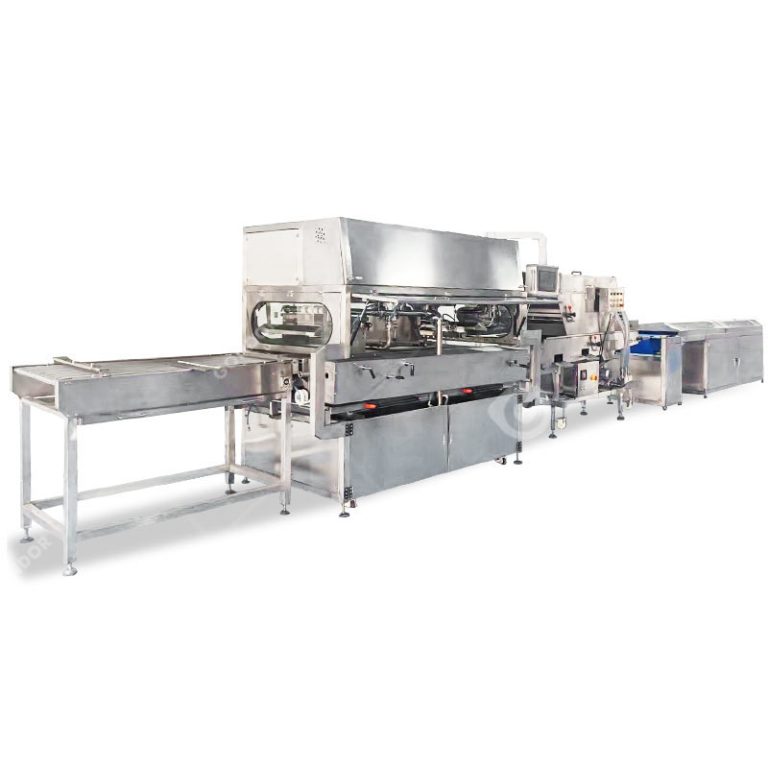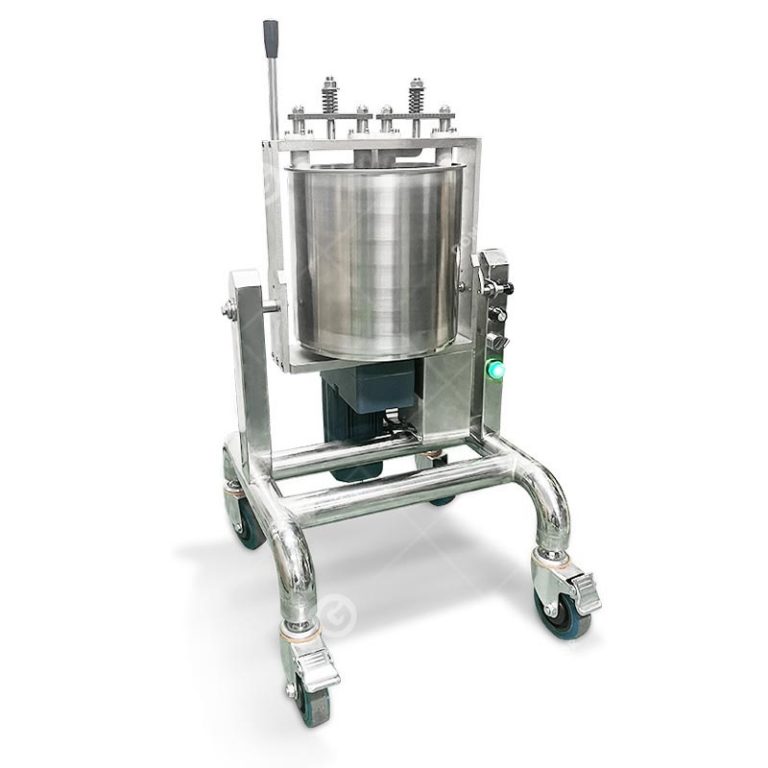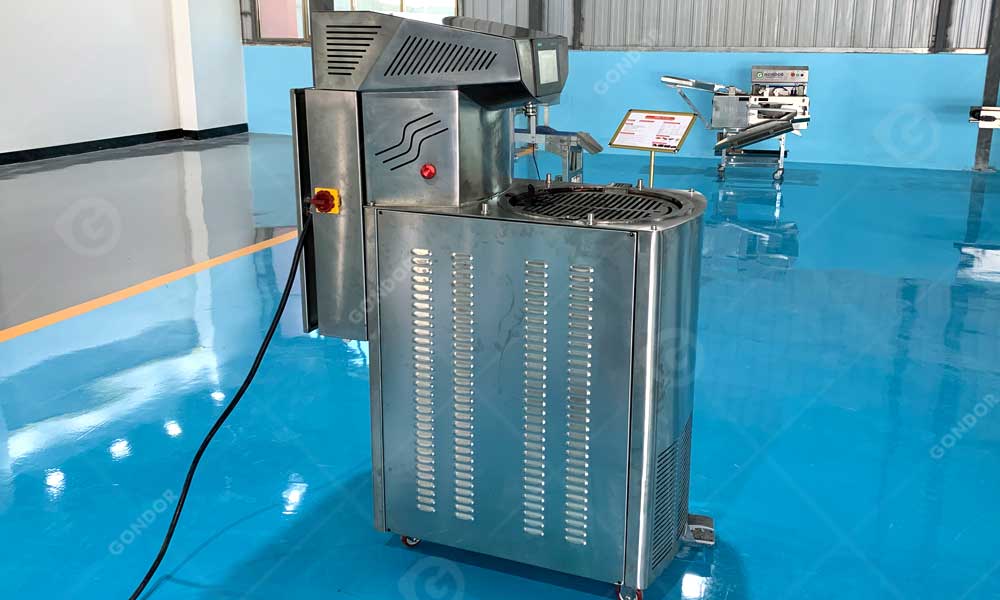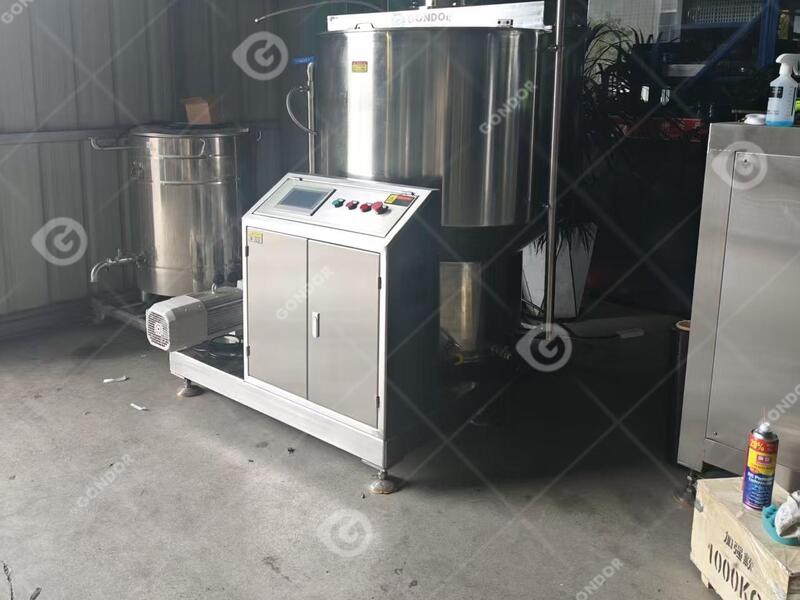


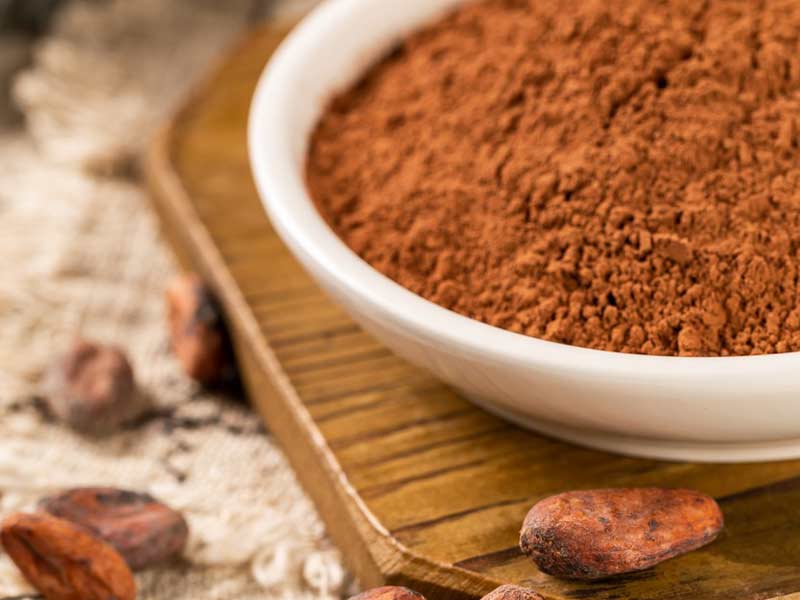
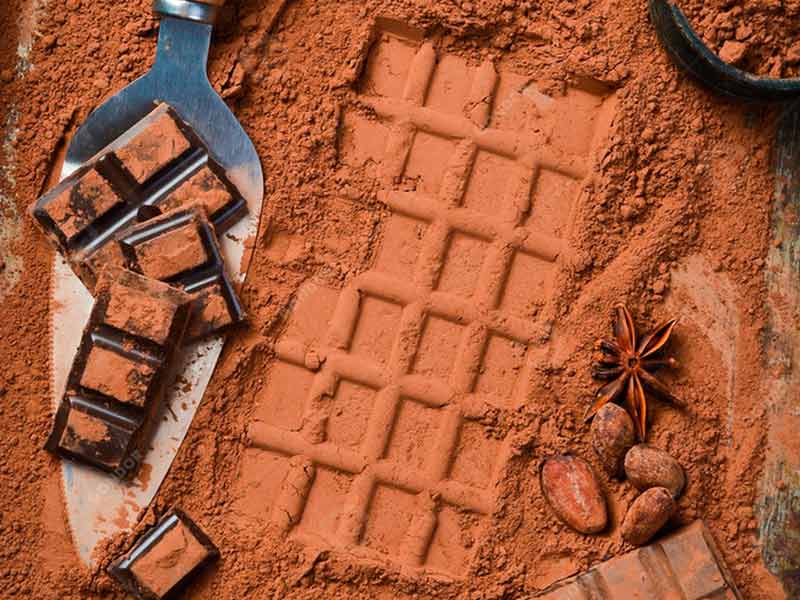
It is well known that cocoa powder is one of the essential raw materials in the chocolate, bakery, beverage, and even ice cream industries. It plays an important role in these industries, which can not only deliver the characteristic aroma and rich color but also determine the flavor depth and texture of the final product. However, many business may not realize that the grinding of cocoa beans is the decisive step that shapes cocoa powder quality. And our consistent, high quality cocoa powder is produced with a scientific and well-controlled grinding process, which is suitable for large-scale food production.
Complete Cocoa Grinding Process: From Cacao Beans to Cocoa Powder
In order to achieve uniform and stable cocoa powder, many manufacturers make great efforts in the cocoa grinding process. Through years of experimental research, the grinding of cocoa beans refined into a precise process that balances temperature, particle size, and fat content to ensure consistent quality in cocoa powder production. Check below for the several essential stages:
Raw Material Treatment: Laying the Flavor Foundation
The freshly harvested cacao beans always go through several steps and it is of great importance for grinding. It mainly involves fermentation (to enhance cocoa aroma), drying (to reduce moisture for storage), roasting (to release flavor compounds), and winnowing (to obtain cocoa nibs).
Primary Grinding: Producing Cocoa Liquor
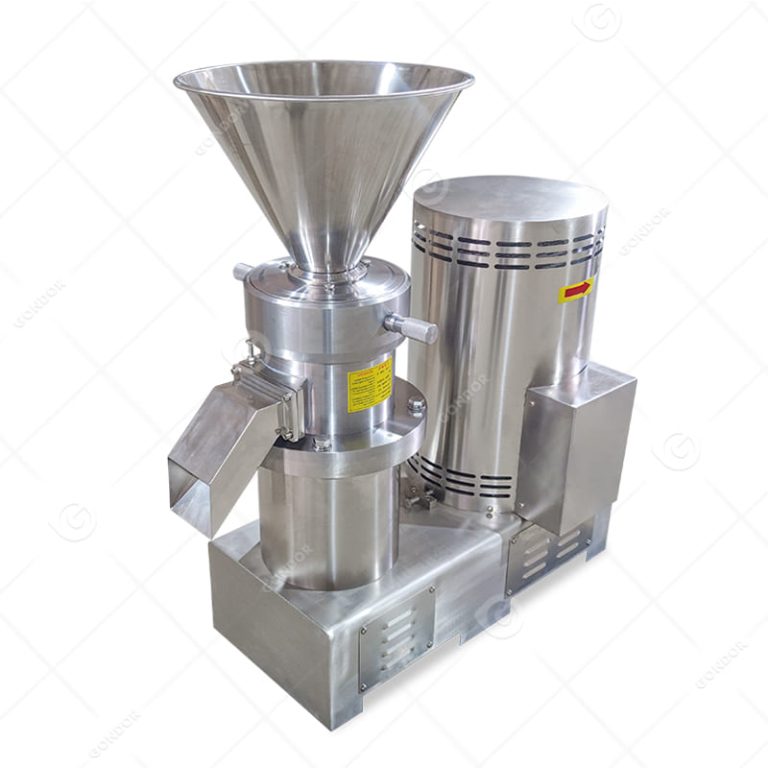
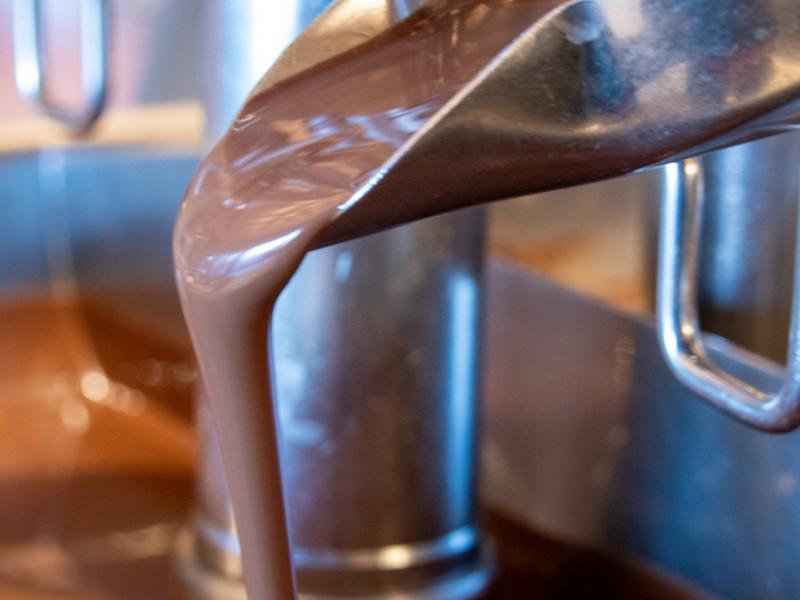
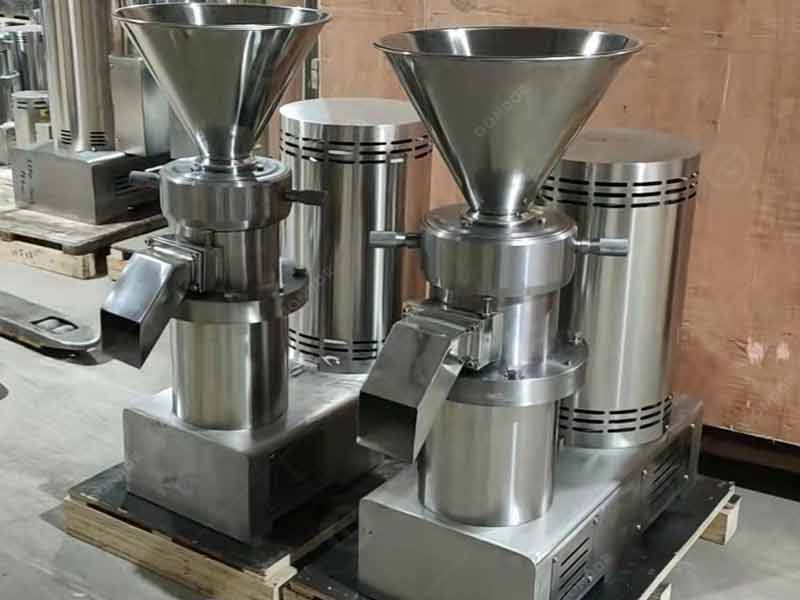
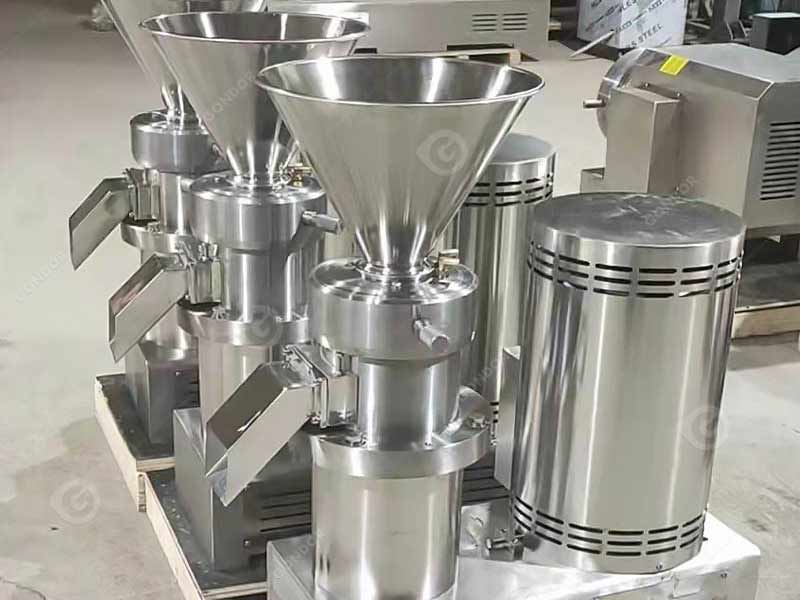
With the help of a professional cacao bean grinder machine, cocoa nibs are finely ground into a thick, fluid paste known as cocoa liquor. This liquor contains cocoa butter and is the intermediate form of both chocolate and cocoa powder.
Pressing and Separation: Dividing Fats and Solids
In the next step, through mechanical pressing, cocoa liquor is separated into two parts: valuable cocoa butter and solid cocoa cake.
Secondary Grinding: Refining into Cocoa Powder
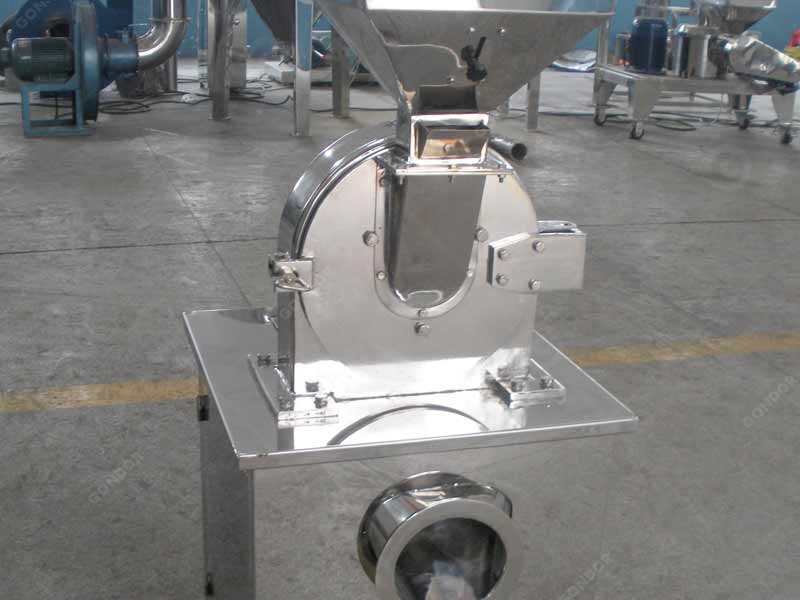
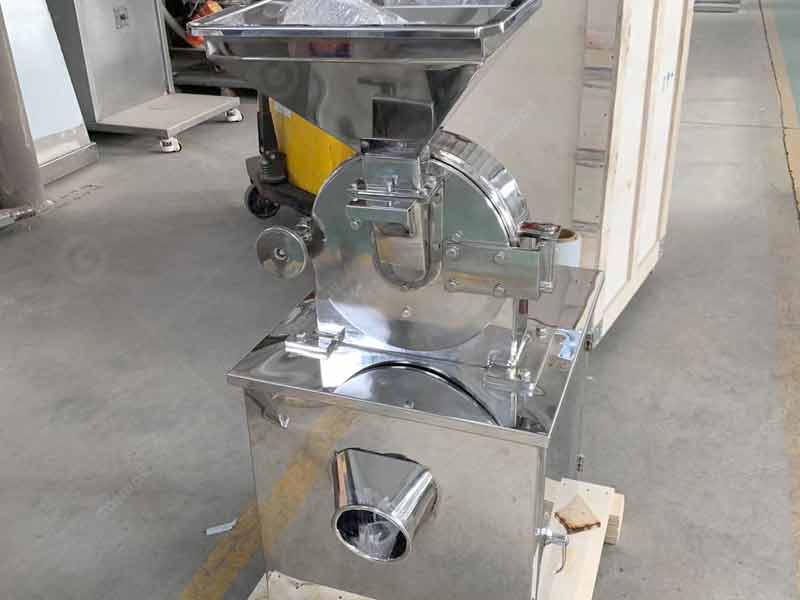
Finally, the hardened cocoa cake is ground again with precision cacao grinder until it becomes a fine, uniform powder: the final cocoa powder.
Key Technical Points in the Cocoa Grinding Process
Within the cocoa grinding process, manufacturers should consider several technical factors. And these factors must be carefully controlled to guarantee premium quality cocoa powder.
Temperature Control
As a general knowledge, grinding will generate frictional heat. However, excessive temperature can cause volatile flavor compounds to evaporate or even burn, which will lead to off-flavors. Therefore, it is necessary to control it at the proper temperature in the cocoa grinding process.
Optional Alkalization (Dutch Process)
By neutralizing natural acidity with alkaline agents, cocoa powder machine develops a darker color and a milder taste. This process also enhances solubility, so it is ideal for baking and beverage applications, while contributing to a smoother mouthfeel and more balanced flavor profile.
Particle Size Refinement
Generally soeaking, the fineness of cocoa powder will directly impact the solubility and mouthfeel. So, in order to achieve the optimal smoothness in chocolate and beverages, particle size should preferably be reduced to below 75 μm, or finer.
Fat Content Adjustment
Another important factor is the fat content. In general, the proportion of cocoa butter influences both powder flowability and processing performance. That is to say, too much fat may cause clumping, while too little can affect flavor and texture.
Main Types of Cocoa Powder and Their Applications
Depending on the cocoa grinding process, cocoa powder can be classified into two main types: natural cocoa powder and alkalized (or Dutch-processed) cocoa powder. Check below for details:
- Natural Cocoa Powder: Light brown in color, with a slightly acidic taste. Often used in traditional chocolate and some bakery products.
- Dutch-Process Cocoa Powder: Darker in appearance, with a smoother and less acidic flavor. It dissolves more easily and is favored in beverages, ice cream, and premium chocolate formulations.
- Beverage industry: cocoa drink mixes, hot chocolate powders.
- Bakery sector: cakes, cookies, brownies.
- Chocolate manufacturing: integral to chocolate liquor and cocoa-based products.
- Dairy and frozen products: ice cream, milkshakes, and flavored desserts.
Grinding Cocoa Beans: Equipment Determines Quality
In summary, from raw material treatment and primary grinding to pressing and final refining, the cocoa grinding process is a structured and intricate procedure. At its core lies the grinding of cocoa beans, which ensures the desired fineness, flavor, and consistency of cocoa powder. At Gondor Machinery, we specialize in offering high-efficiency and reliable cacao grinders along with complete cocoa powder production solutions. If you are searching for a trustworthy partner to optimize your production line, contact Gondor Machinery today. We wll help our clients achieve superior quality and stronger market competitiveness.