
Start with a Bag of Cocoa Beans
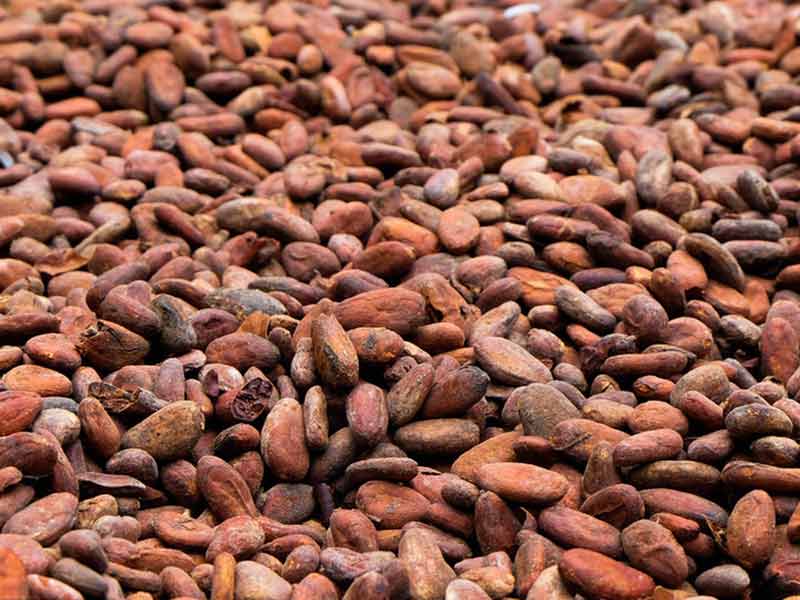
In the complete configuration list of cocoa bean processing equipment, the roaster is never the first one, but the stone removal and impurity removal machine is. When you open a bag of fermented cocoa beans, the first thing that attracts attention is often not the aroma, but the fine sand, floating dust, and tiny metal fragments mixed in by the threshing ground. In September this year, we received an inquiry from an end customer in Trinidad and Tobago, and the other party didn’t want a single device, but a complete plan to turn cocoa beans into marketable products.
What the Buyer Actually Needed
Nobody sends a finished process specification in a first message. We asked for five things instead — the same five we ask for today.
| What we needed to know | Why it changes the line | Where it is answered |
|---|---|---|
| Which product sells first | Liquor, butter, and powder need different end stages | Liquor-only, butter + powder, or combined layout |
| What “capacity” means | Bean input and packed powder output are not the same number | A stated basis in the quotation |
| Local bean condition | Origin, moisture, and impurities shift the roasting curve | Destoner, adjustable roaster, winnower airflow |
| Who will run it | A small shift needs simple cleaning and clear controls | 304 contact parts within reach |
| What comes in year two | A later press or mill must fit the first layout | Reserved space, power and interfaces |
The pattern was familiar. A grower-side buyer rarely wants one cocoa processing machine. They want a route from bean to something a bakery or a chocolate maker will pay for. Our job was to turn that route into a machine list.
What a Cocoa Powder Production Line Does, Stage by Stage
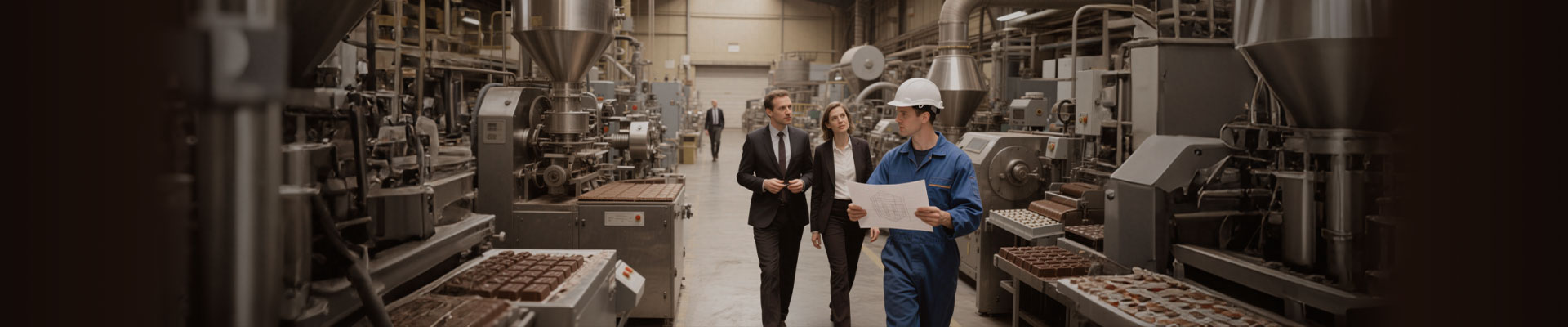
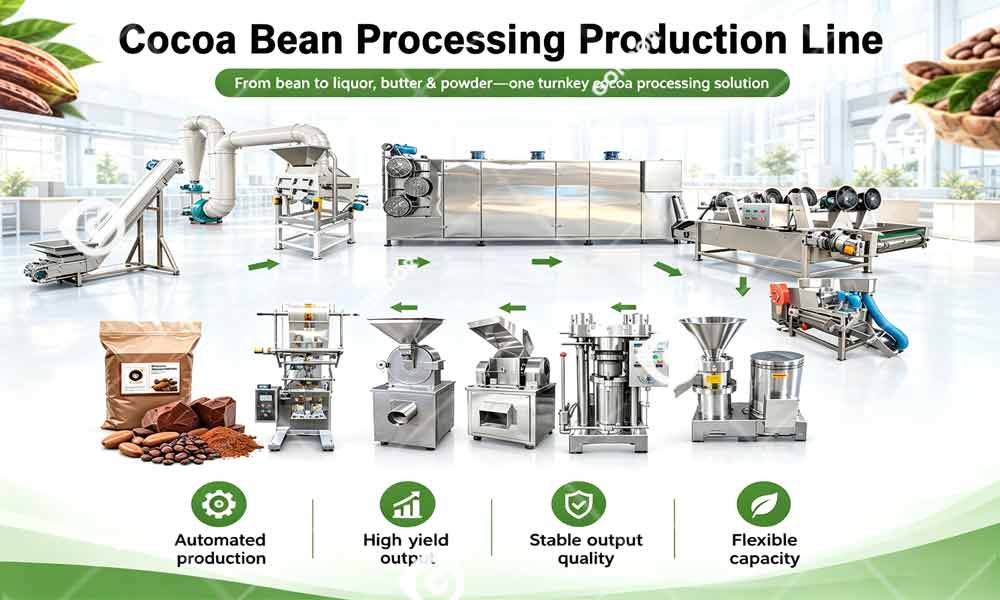
The full route has ten stops. Each one protects the next.
- Material Hoist — Steady feed, less hand carrying.
- Destoner & Metal Detection — Stones, sand, and dust out; an optional magnet protects downstream rotors.
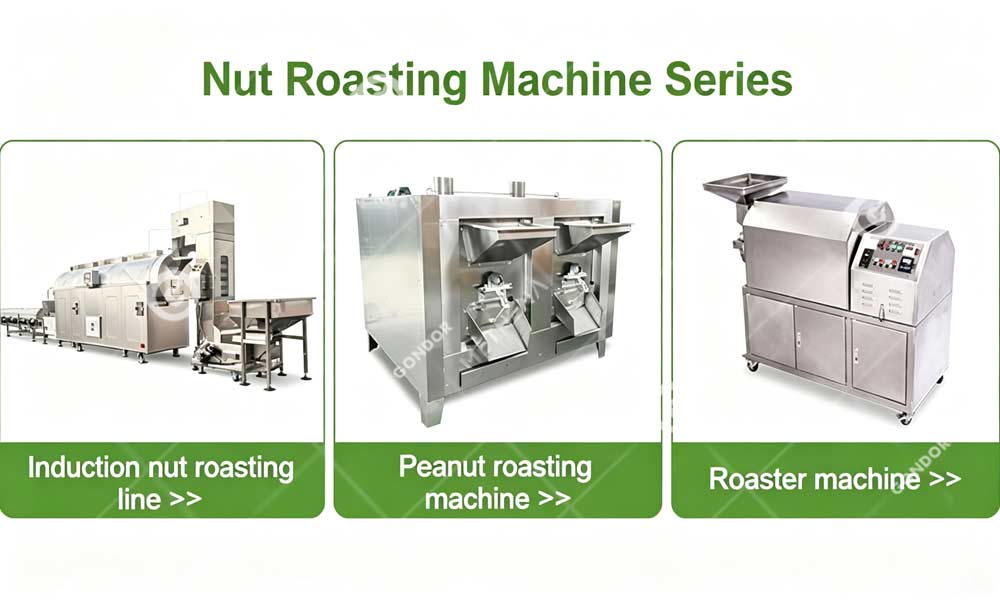
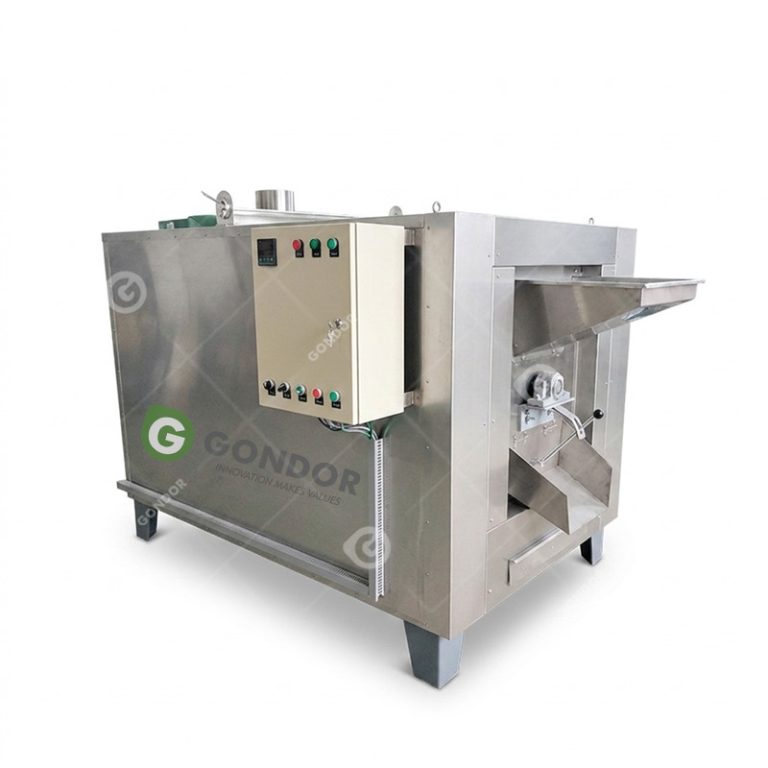
- Continuous Roaster — Adjustable time and temperature for repeatable flavour.
- Air Cooling Tunnel — Quick cooling stops residual heat from over-roasting.
- Cocoa Bean Cracker and Winnower — airflow lifts off shells; adjustable screens leave clean nibs.
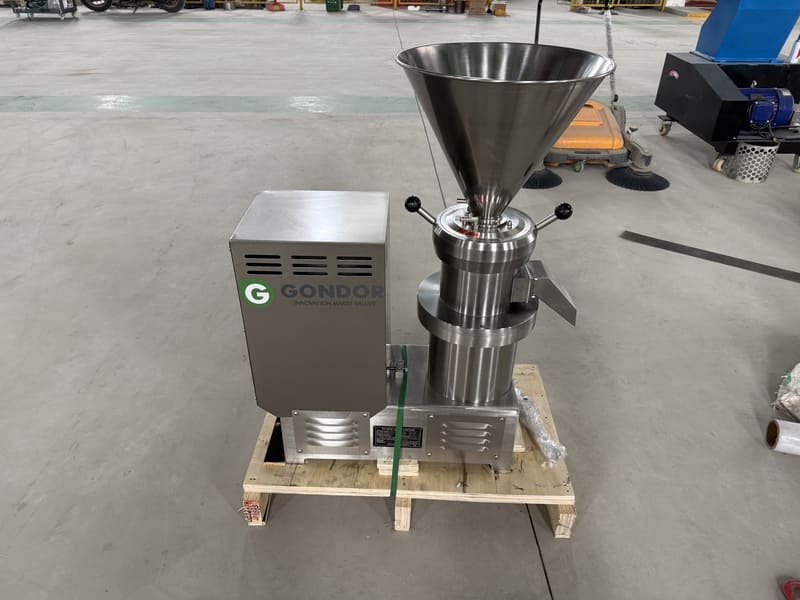
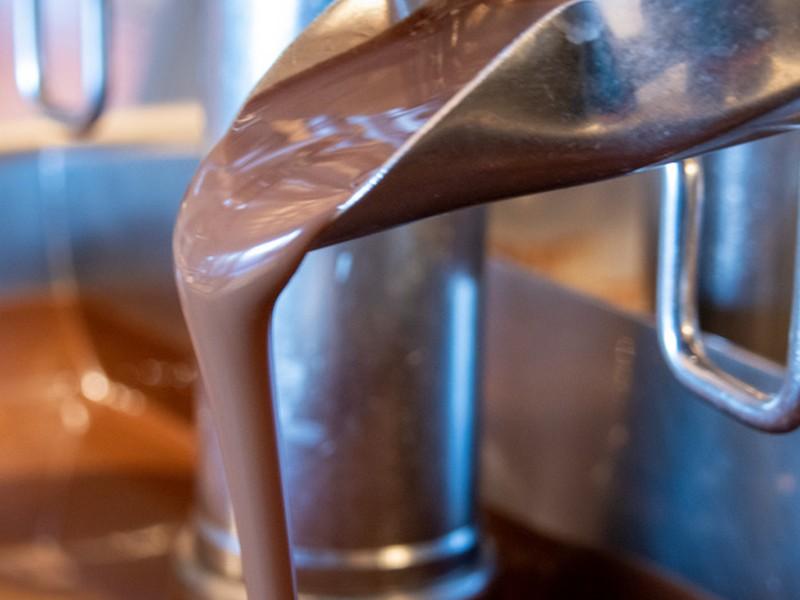
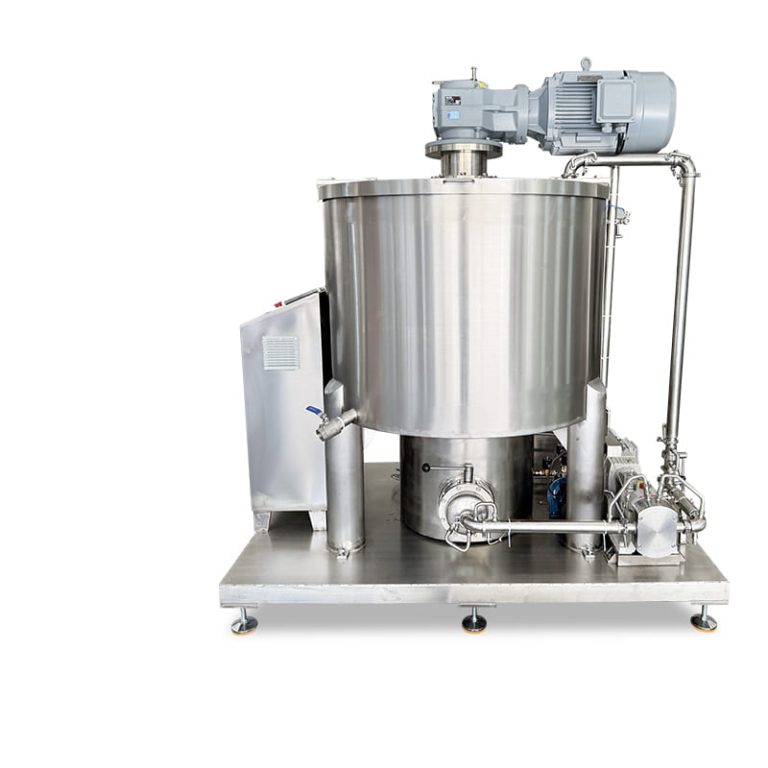
- Chocolate Melanger Machine — Nibs become liquor/mass at a controlled fineness.
- Hydraulic Cocoa Butter Press — Butter and press cake split under high pressure.
- Cocoa Crusher — The hard disc becomes even granules.
- Cocoa Powder Mill & Sifter — Mills to a selected mesh, uniform particle size.
- Packing Machine — Weighs, fills, and seals powder or nibs.
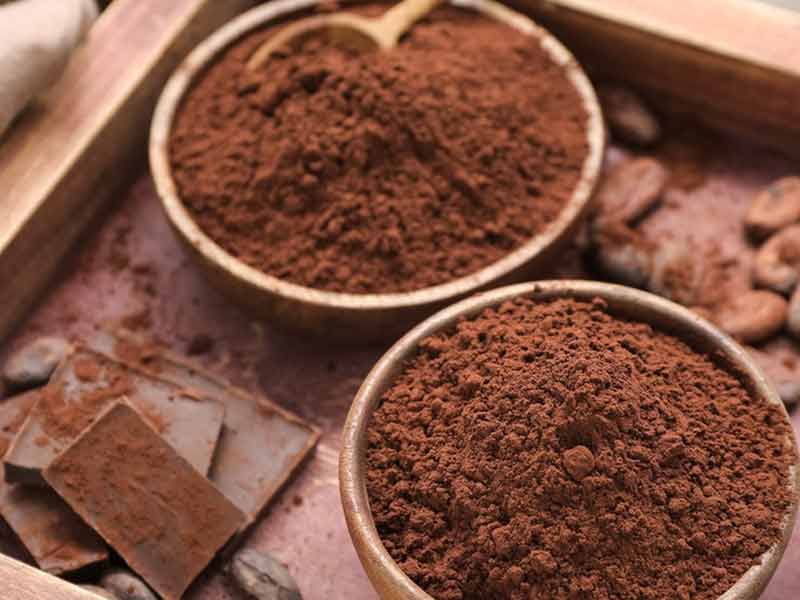
One point deserves its own paragraph. You cannot grind beans straight into cocoa powder. Nibs are rich in fat. Grind them, and you get cocoa liquor. True low-fat powder appears only after pressing, when the cake is milled and sieved. It is the most common misunderstanding in first enquiries and in home chocolate forums, where a blender leaves the result oily.
The Questions That Come Up Again and Again
Search for cocoa processing and the same questions surface in People Also Ask boxes, maker forums, and Q&A threads. Short answers below.
Details You Only Notice on a Real Shift
Parameters determine whether the production line can land, while daily details determine whether it can run continuously. Cleaning after work every day is more critical than regular maintenance-standard 304 stainless steel material contact pieces must be arranged within the reach of operators, so that cleaning in each shift becomes a routine action rather than a burden. The dust produced by milling and screening processes also needs pre-planning, which is often the most easily underestimated link when establishing a cocoa factory for the first time. Power configuration is another hidden pitfall: the main production line needs 380V three-phase power, while the packaging machine usually runs at 220V. The frequency and plug standards vary from country to country, so it is necessary to confirm the equipment one by one before manufacturing, rather than waiting until the eve of shipment to expose the problems. The baking process is equally urgent-no set of time-temperature curves can cover all cocoa beans from all sources, and we will ask customers to provide their own bean samples for trial operation before finalizing the baking parameters. The data copied directly from the sample book will be invalid when encountering a batch of beans with high moisture content.
What to Send Before You Ask for a Price
A useful first message is short. Eight lines is enough:
● Bean origin, and approximate moisture if you have it
● The products you plan to sell first
● Target output, with the basis stated (input or packed product)
● Hours per day and number of shifts
● Available power, floor space and ventilation
● Packaging format and bag size
● Any existing equipment the new section must connect to
● Whether a sample trial is required before final selection
With those eight lines, a supplier can draw a layout. Without them, you get a price for a cocoa processing machine that may not be your machine.
Ask for a signed layout drawing and a model-specific parameter sheet before you commit. Voltage, dimensions, and output change with the configuration.
Start Your Production Line Planning with a Bean
Whether you plan to purchase a stone remover, cacao roasting machine, or deploy the whole cocoa powder production line, the starting point is always your raw materials and product positioning. Please tell us the origin, moisture content, target finished product, and expected quotation caliber of cocoa beans. Based on this, we will provide a complete set of the production line layout, equipment configuration list, and the scheme of using your own bean sample for commissioning-this is completely consistent with the professional process experienced by Trinidad customers. From the single machine selection of cocoa bean processing equipment to the seamless connection of the whole line, we insist on defining the process scope first, and then discussing the return on investment to ensure that each piece of equipment accurately matches your business needs.