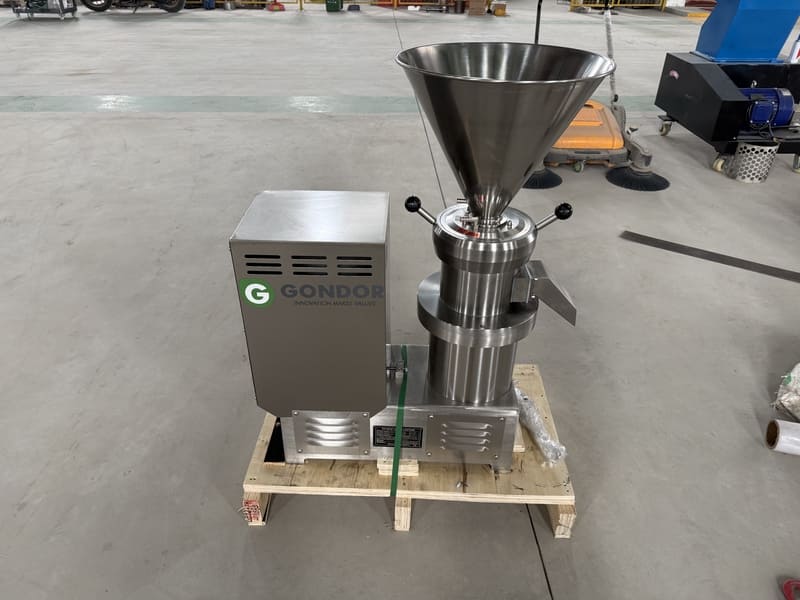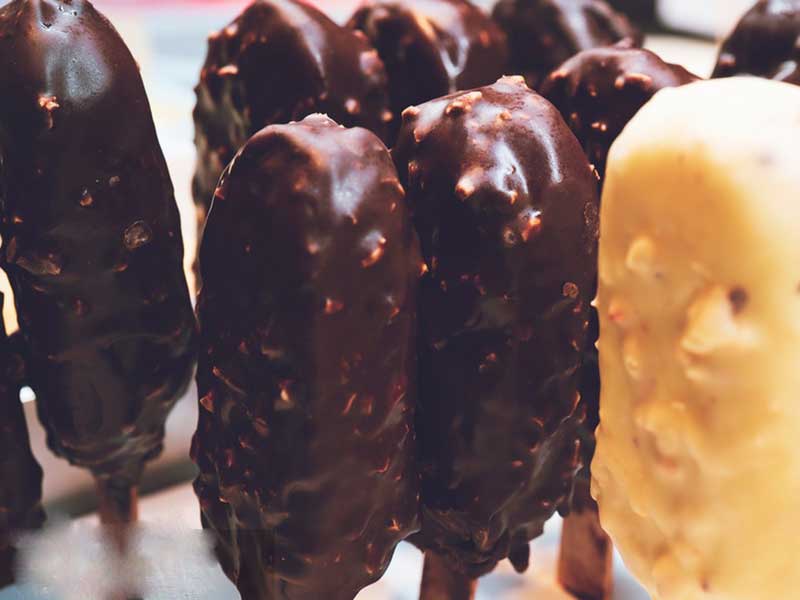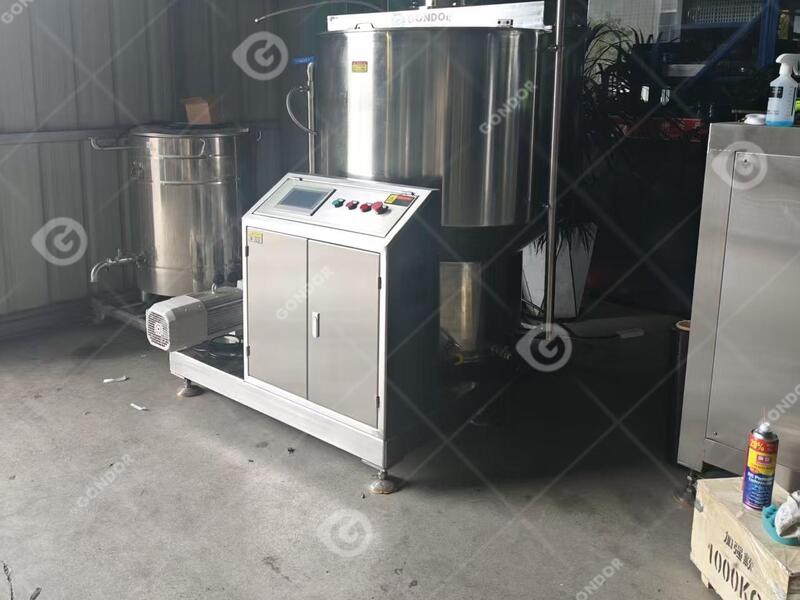


Modern chocolate production demands efficiency, hygiene, and consistent appearance. To achieve this, manufacturers rely on the Chocolate Wrapping Packaging Machine, a specialized device engineered to automate the chocolate wrapping process with precision and speed.
This guide explains how a Chocolate Wrapping Packaging Machine completes packaging in about ten key steps, from feeding to final output. Whether you are new to chocolate manufacturing or planning to upgrade factory equipment, this article will help you understand its working principles, features, and workflow.
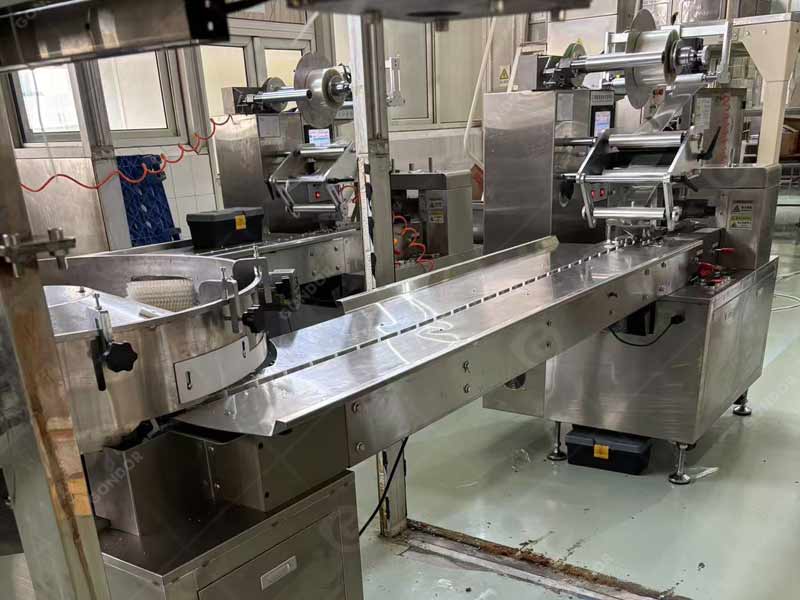
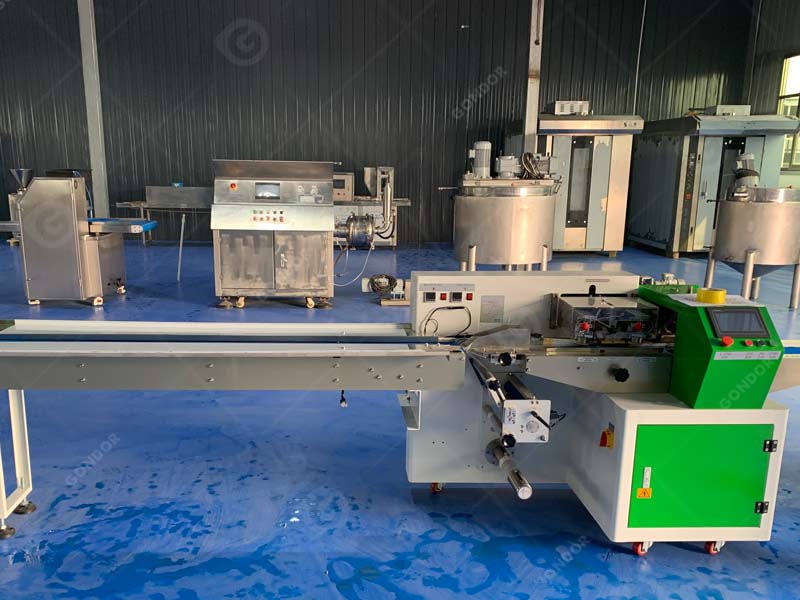
Step 1: Product Feeding
The journey begins with transferring chocolate products onto the machine’s conveyor.
Depending on production scale, feeding can be manual or fully automated via belt conveyors connected to upstream molding or cooling systems.
The Chocolate Wrapping Packaging Machine ensures steady movement of chocolates to match wrapping speed and avoid congestion. Proper spacing is crucial to maintain smooth alignment and achieve uniform wrapping.
Step 2: Product Alignment and Sorting
Once chocolates enter the system, the machine aligns and sorts them into correct orientation.
This step guarantees that each piece maintains proper direction before wrapping.
Sensors monitor product flow, ensuring:
-
Consistent spacing
-
Correct positioning
-
Smooth loading into wrapping section
Accurate product alignment increases wrap quality while reducing errors and waste.
Step 3: Automatic Film Feeding
Next, wrapping material—paper, aluminum foil, composite film, or gold foil—is fed into the unit.
The Chocolate Wrapping Packaging Machine automatically pulls packaging film from the roll and positions it precisely.
Key controls include:
-
Automatic tension adjustment
-
Film guiding system
-
Film cutting mechanism
This ensures the film is smooth, wrinkle-free, and ready for folding.
Step 4: Film Cutting & Measuring
A built-in cutter trims the film to the required dimensions according to chocolate size.
The cutting station is equipped with sensors that determine each sheet’s length and guarantee uniformity.
Film length is critical for the final wrap:
-
Too short → exposed chocolate
-
Too long → poor appearance & material waste
Precision cutting ensures efficiency and stable packaging quality.
Step 5: Chocolate Positioning on Wrapping Film
Each chocolate piece transfers onto a pre-cut film segment.
The system synchronizes product and film movement to keep them perfectly matched.
At this point:
-
Film is ready
-
Chocolate sits at the center
-
Machine prepares for folding
This exact positioning is important in the Chocolate Wrapping Packaging Machine because the following folds depend on this alignment.
Step 6: Wrapping & Folding
Now the chocolate is enclosed by the film through a series of precise mechanical folds.
Typical folds include:
-
Front wrap
-
Tuck
-
Side fold
-
Bottom fold
Different machine structures can perform twist-wrap, fold-wrap, or envelope-wrap depending on the chocolate type.
The Chocolate Wrapping Packaging Machine performs this stage fast and accurately, improving both speed and consistency.
Step 7: Heat Sealing or Twist Sealing
Depending on the wrapping style, the film may be sealed via heating, pressure, or twisting.
Two common methods:
-
Heat sealing: Produces a neat, airtight finish—common for chocolate bars
-
Twist sealing: Ends are twisted to hold foil—common for small candies
This step ensures:
-
Tight enclosure
-
Good product appearance
-
Long shelf life
Sealing prevents contamination, oxidation, and breakage.
Step 8: Quality Inspection & Detection
Integrated sensors monitor wrapping quality in real time.
Inspection checks include:
-
Seal strength
-
Film tension
-
Alignment position
-
Missing chocolate
-
Double feed
Defective pieces are automatically rejected.
This allows the Chocolate Wrapping Packaging Machine to maintain high quality standards and reduce manual inspection.
Step 9: Finished Product Output
After sealing, chocolates move to the output conveyor.
Workers or automated systems collect wrapped products for boxing, bagging, or carton packing.
Finished chocolates exhibit:
-
Consistent shape
-
Tight and smooth wrapping
-
Professional appearance
This stage integrates seamlessly with downstream equipment.
Step 10: Counting & Stacking
Before final packing, the machine counts and organizes wrapped chocolates.
This improves workflow efficiency and prevents human error.
Counts can be set according to:
-
Final package size
-
Box quantity
-
Shipping unit
The Chocolate Wrapping Packaging Machine can be connected to automatic cartoners or bagging machines.
Key Advantages of a Chocolate Wrapping Packaging Machine
✅ Higher Production Efficiency
Automates repetitive labor and significantly boosts output.
✅ Excellent Consistency
Uniform wrapping improves brand presentation.
✅ Reduced Labor
Challenges like fatigue or inconsistency are eliminated.
✅ Hygienic & Safe
Full enclosure reduces contamination risks.
✅ Versatile
Handles:
-
Chocolate bars
-
Chocolate balls
-
Chocolate pralines
-
Filled chocolates
This versatility makes the Chocolate Wrapping Packaging Machine a must-have for modern chocolate processing lines.