
There is a specific, intoxicating magic that happens the moment heat hits cocoa beans. It’s the transition from a bitter, earthy seed into the complex, soul-warming foundation of chocolate. Whether you are a boutique chocolatier or a home enthusiast, mastering the art of the roast is where the “soul” of your chocolate is born.


The Journey Begins at the Source
Understanding raw materials is the first criterion of flavor. The quality of roasted cocoa beans depends 80% on what happens on the farm. Cocoa beans grow in the cocoa pods of cocoa bean plants, mainly distributed in the equatorial region. If you are purchasing beans, please pay attention to the label of “Fine Flavor” or “Single Origin”. Beans in Madagascar usually have citrus notes, while beans in Ecuador may have floral notes. Baking is not only about heating, but also about respecting plant genes.

Why We Roast: More Than Just Flavor
Many beginners ask: “Can’t I just eat them raw?” You can, but you’d be missing out. Roasting serves three critical purposes:
It triggers the Maillard reaction, turning acidic precursors into nutty, chocolatey notes.
Cocoa beans are fermented on the ground in tropical climates, and roasting kills off any lingering bacteria or molds.
Heat makes the outer husk brittle, allowing it to separate easily from the nib—a process called winnowing.

How to Roast Cocoa Beans at Home or in a Lab
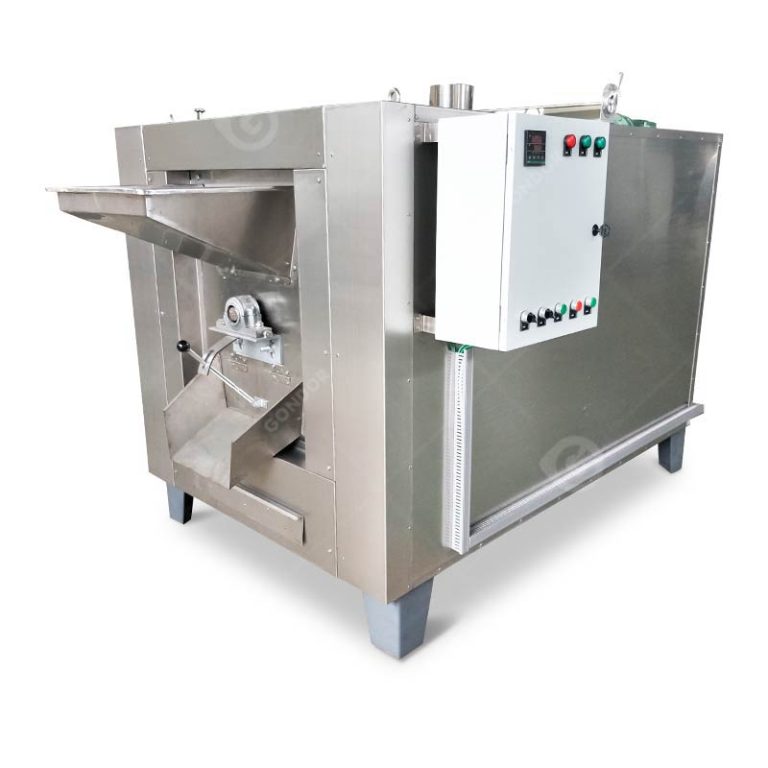
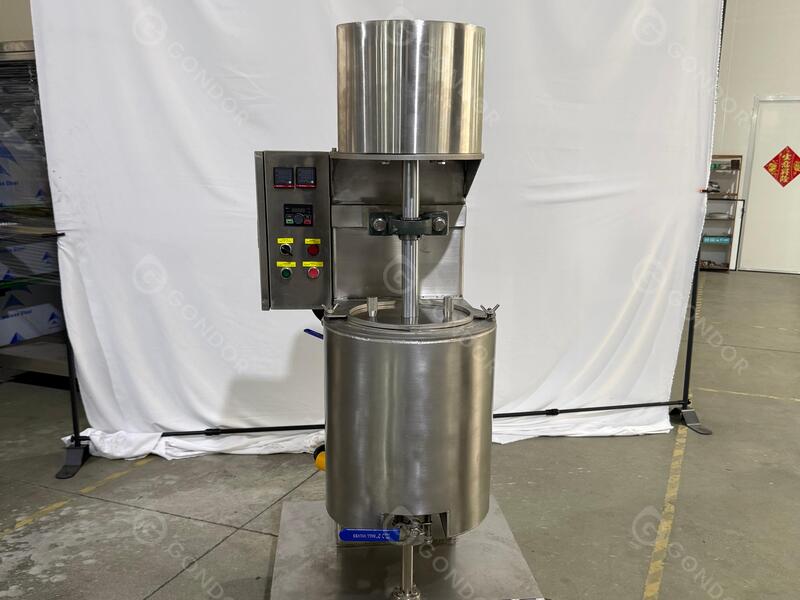
While industrial roasters use the cocoa bean roaster, you can achieve world-class results with a simple convection oven or a drum roaster. Here is my tried-and-true “Low and Slow” method.
From Bean to Nib: The Winnowing Process
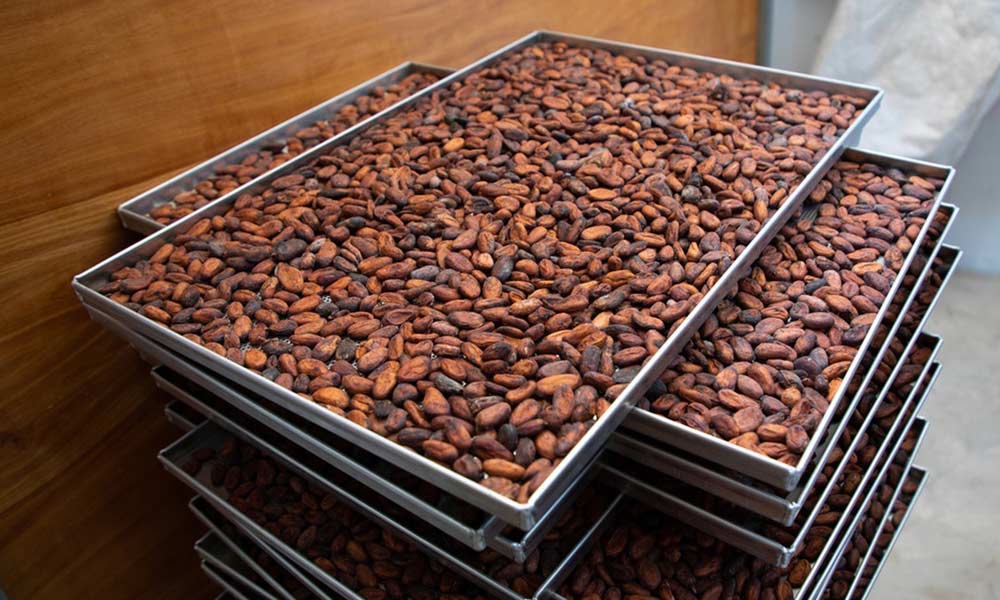
Once cooled, the husk should feel like thin parchment paper. Give a bean a gentle squeeze—it should shatter into small pieces (nibs) and the husk should flake away.
Pro Tip: If you’re doing a small batch, a hair dryer (on cool setting) is a great way to blow away the light husks while the heavier nibs stay in your bowl.
Frequently Asked Questions
- How long do roasted cocoa beans last?
- If stored in an airtight container in a cool, dark place, they can stay fresh for up to 6–9 months. However, for the best flavor in chocolate making, use them within 4 weeks.
- Can I roast cocoa beans in an air fryer?
- Surprisingly, yes! The high airflow in an air fryer is excellent for even roasting. Set it to 130°C and shake the basket every 3 minutes.
Key Insights for Global Buyers
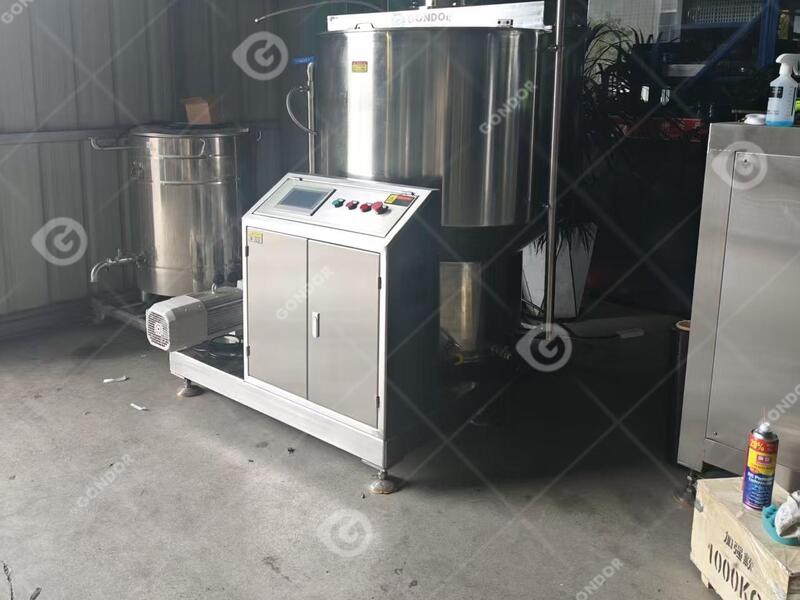
Whether you are purchasing raw materials for a large candy enterprise or running a boutique handmade chocolate workshop, mastering the baking art of cocoa beans is the core link between raw materials and high-end finished products. Our cocoa bean baking machine can accurately reproduce the baking curve, while the cocoa bean cracker and winnower can efficiently separate and crush the bean skin, helping you to build an efficient link from baking to pretreatment. Welcome to contact us at any time to jointly create your exclusive chocolate flavor map.